
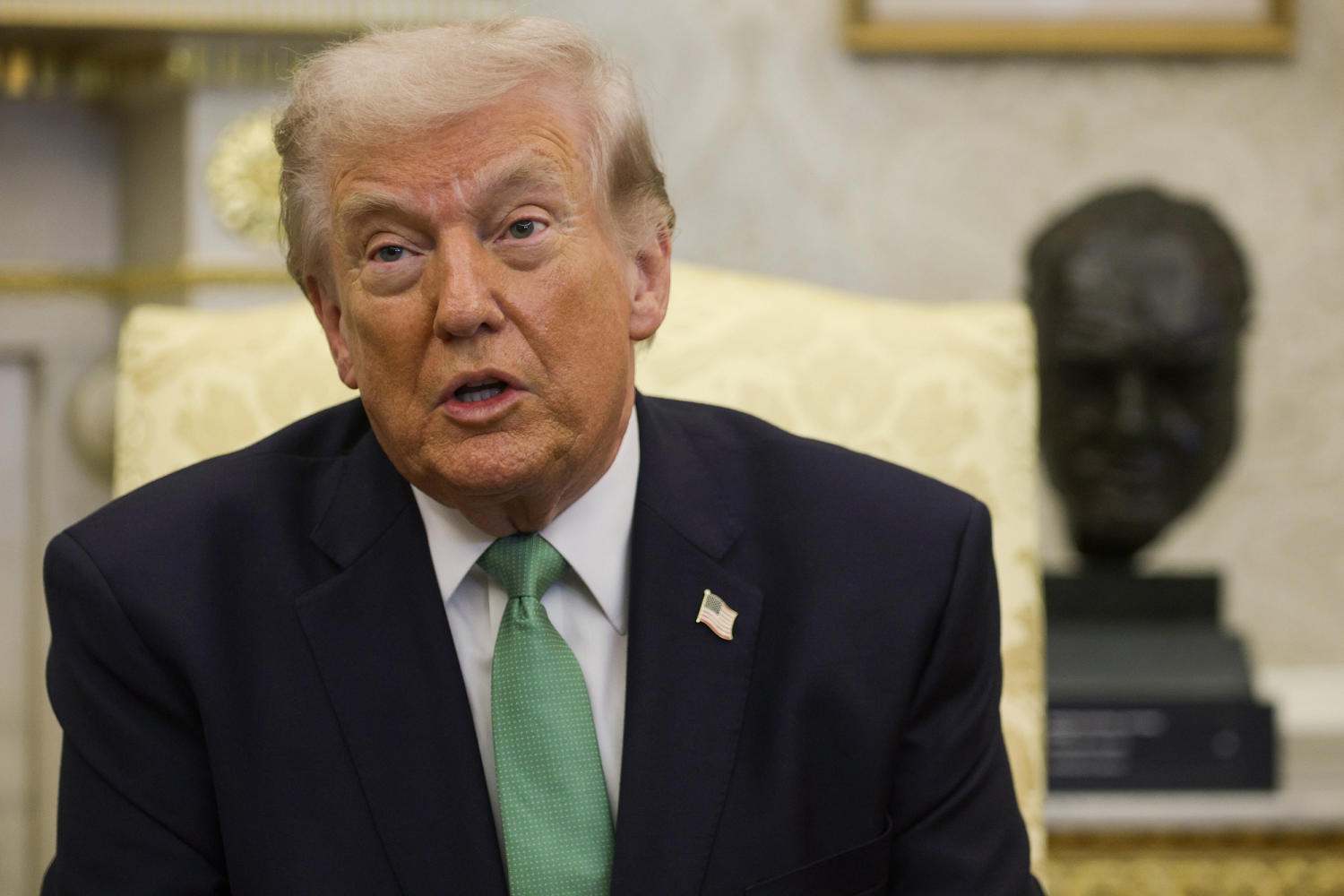
Trump says U.S. doesn't need help defending Strait of Hormuz after allies refuse
#Trump #Strait of Hormuz #U.S. defense #allies #oil shipping #security cooperation #diplomatic tensions
📌 Key Takeaways
- Trump asserts the U.S. can defend the Strait of Hormuz without allied assistance.
- This statement follows refusals from allies to contribute to defense efforts.
- The U.S. position highlights potential shifts in international security cooperation.
- The situation underscores tensions over critical global oil shipping routes.
📖 Full Retelling
🏷️ Themes
International Security, Diplomatic Relations
Entity Intersection Graph
No entity connections available yet for this article.
Deep Analysis
Why It Matters
This news matters because it signals a potential shift in U.S. foreign policy and military strategy in a critical global chokepoint. The Strait of Hormuz is vital for global oil shipments, with about 20% of the world's oil passing through it, so any instability there could spike energy prices and affect economies worldwide. It affects U.S. allies in Europe and Asia who rely on secure oil supplies, as well as regional powers like Iran and Saudi Arabia, and it may strain NATO and other international security partnerships if the U.S. acts unilaterally.
Context & Background
- The Strait of Hormuz is a narrow waterway between Oman and Iran, connecting the Persian Gulf to the Gulf of Oman and the Arabian Sea, and is a crucial transit route for oil tankers.
- Tensions have escalated in the region since 2019, with incidents including attacks on tankers and drone strikes, often linked to Iran-U.S. hostilities following the U.S. withdrawal from the Iran nuclear deal in 2018.
- The U.S. has historically led international coalitions to secure maritime routes in the Middle East, such as during the Tanker War in the 1980s and more recent operations like Combined Task Force 150.
What Happens Next
In the short term, the U.S. may increase its naval presence in the Strait of Hormuz independently, potentially leading to heightened military patrols and possible confrontations with Iranian forces. Over the next few months, allies like the UK, France, and Japan might reassess their security roles in the region, possibly forming alternative coalitions or engaging in diplomatic efforts to de-escalate tensions. If incidents occur, such as attacks on shipping, it could trigger broader conflicts or sanctions, with developments likely monitored through late 2023 and into 2024.
Frequently Asked Questions
Allies may have refused due to concerns over escalating tensions with Iran, differing strategic priorities, or disagreements with U.S. foreign policy approaches, such as the maximum pressure campaign. Some countries might prefer diplomatic solutions or fear being drawn into a conflict without clear international consensus.
Acting alone increases the risk of military miscalculations or accidental clashes with Iranian forces, which could spiral into a broader conflict. It may also undermine collective security efforts, leaving the U.S. bearing more costs and isolation, and could weaken alliances if partners feel sidelined.
If security in the Strait of Hormuz deteriorates due to unilateral U.S. actions or increased tensions, it could disrupt oil shipments, leading to supply shortages and higher global oil prices. This would impact consumers and economies worldwide, particularly in oil-importing nations.
Iran may view U.S. unilateral action as a provocation, potentially responding with increased naval exercises, harassment of ships, or asymmetric tactics like drone attacks. It could also seek to leverage diplomatic channels with other countries to counter U.S. influence in the region.