

Trump’s Complaint About Israeli Strike on Gas Field Exposes Divergent Strategies
#Trump #Netanyahu #Iran #Gas field bombing #Energy markets #Divergent strategies #Middle East tensions #Nuclear ambitions
📌 Key Takeaways
- Trump publicly criticized Netanyahu for Iran gas field bombing
- Israel claimed prior notification of strike to US
- Attack exposed differing Iran strategies between allies
- Strike caused significant disruption to global energy markets
📖 Full Retelling
🏷️ Themes
Middle East tensions, Alliance differences, Energy security
📚 Related People & Topics

Iran
Country in West Asia
# Iran **Iran**, officially the **Islamic Republic of Iran** and historically known as **Persia**, is a sovereign country situated in West Asia. It is a major regional power, ranking as the 17th-largest country in the world by both land area and population. Combining a rich historical legacy with a...
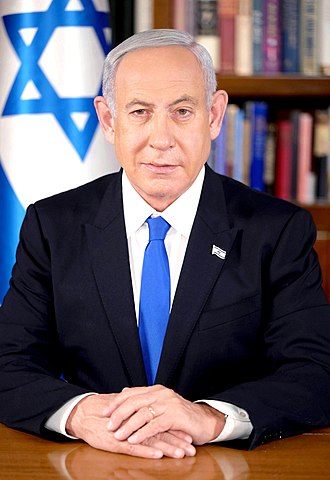
Benjamin Netanyahu
Prime Minister of Israel (1996–1999; 2009–2021; since 2022)
Benjamin "Bibi" Netanyahu (born 21 October 1949) is an Israeli politician and diplomat who has served as Prime Minister of Israel since 2022. Having previously held office from 1996 to 1999 and from 2009 to 2021, Netanyahu is Israel's longest-serving prime minister. Born in Tel Aviv, Netanyahu was r...

Donald Trump
President of the United States (2017–2021; since 2025)
Donald John Trump (born June 14, 1946) is an American politician, media personality, and businessman who is the 47th president of the United States. A member of the Republican Party, he served as the 45th president from 2017 to 2021. Born into a wealthy New York City family, Trump graduated from the...
Energy market
System enabling the sale and purchase of the physical property used for work
An energy market is a type of commodity market on which electricity, heat, and fuel products are traded. Natural gas and electricity are examples of products traded on an energy market. Other energy commodities include: oil, coal, carbon emissions (greenhouse gases), nuclear power, solar energy and ...
Entity Intersection Graph
Connections for Iran:
Mentioned Entities
Deep Analysis
Why It Matters
This news reveals a significant policy divergence between two key allies in the Middle East, potentially weakening their unified front against Iran's nuclear ambitions. The public disagreement between Washington and Jerusalem could affect regional stability, energy markets, and broader geopolitical dynamics in the Persian Gulf. This rift highlights challenges in maintaining alliance cohesion when strategic priorities differ, particularly regarding how to contain Iran's regional influence.
Context & Background
- The US and Israel have historically maintained close security ties, particularly regarding concerns about Iran's nuclear program and regional activities
- Israel has previously conducted strikes on Iranian targets in Syria and elsewhere without always explicit US approval
- The Trump administration withdrew from the Iran nuclear deal in 2018 and implemented maximum pressure sanctions on Iran
- Iran has faced significant economic challenges due to sanctions and has occasionally threatened to close the Strait of Hormuz
- Energy markets are sensitive to geopolitical tensions in the Middle East, given the region's importance to global oil supplies
- The targeted gas field was one of Iran's largest offshore facilities, making it strategically significant to Iran's energy infrastructure
What Happens Next
We can expect continued diplomatic discussions between US and Israeli officials to reconcile their differing approaches. The Trump administration may attempt to moderate Israel's actions to prevent further market disruptions and regional escalation. Iran may respond with countermeasures, potentially targeting Israeli or US interests, which could lead to increased tensions in the Persian Gulf and impacts on global energy prices. Other international actors may attempt to mediate to prevent further escalation.
Frequently Asked Questions
The gas field represents critical infrastructure that supports Iran's economy and energy exports. By targeting such facilities, Israel aims to pressure Iran economically while avoiding direct military confrontation that could trigger a wider regional war.
While the alliance remains strong, this public disagreement highlights differing strategic priorities. Israel appears more willing to take direct military action against Iranian assets, while the US is more concerned with regional stability and economic consequences, potentially creating friction in their coordination.
The attack on a major Iranian gas facility has already caused market volatility, with oil prices fluctuating in response. Further escalation could lead to more significant price spikes, particularly if Iran threatens to disrupt oil shipments through the Strait of Hormuz.
Iran may respond asymmetrically, potentially through its proxies in the region, cyberattacks, or by threatening to close strategic waterways. They might also accelerate their nuclear program as a response to international pressure.
The disagreement between the US and Israel could embolden Iran and its allies, potentially shifting regional power dynamics. It may also create opportunities for other actors like Russia and China to increase their influence in the region.