
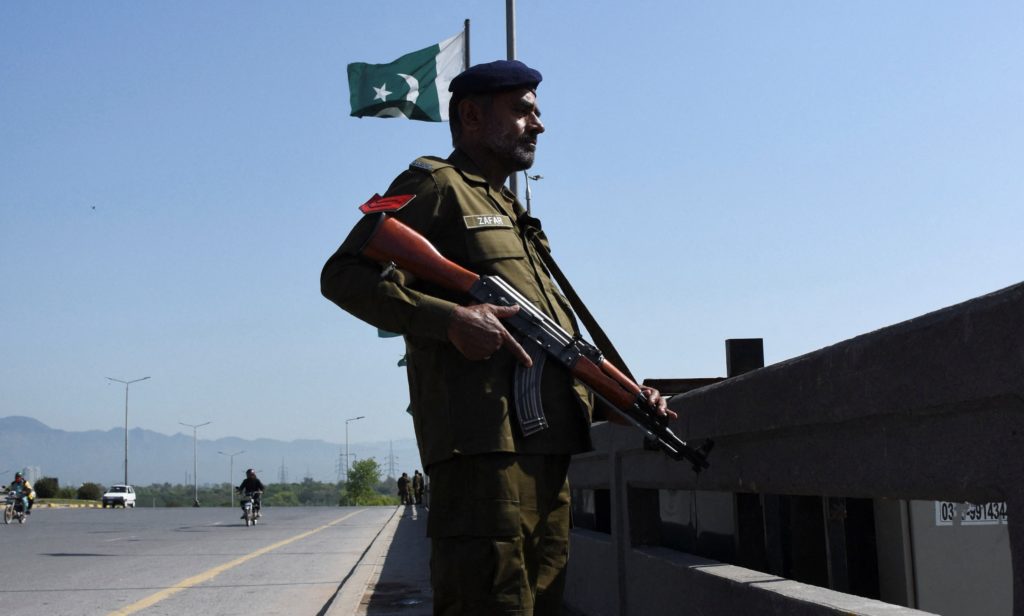
U.S. and Iran prepare for ceasefire talks as Netanyahu authorizes negotiations with Lebanon
#US-Iran talks #Israel-Lebanon negotiations #Middle East ceasefire #Netanyahu #Hezbollah #regional diplomacy #border conflict
📌 Key Takeaways
- U.S. and Iran preparing for rare direct ceasefire talks amid regional tensions
- Israeli Prime Minister Netanyahu authorizes negotiations with Lebanon over border conflict
- Multiple complex issues threaten both immediate truce and broader permanent deal
- International mediators facilitating preliminary discussions between conflicting parties
📖 Full Retelling
🏷️ Themes
Diplomacy, Middle East Conflict, Ceasefire Negotiations
📚 Related People & Topics
Hezbollah
Islamist movement and militant group based in Lebanon
Hezbollah is a Shia Islamist Lebanese political party and paramilitary group. Hezbollah's paramilitary wing is the Jihad Council, and its political wing is the Loyalty to the Resistance Bloc party in the Lebanese Parliament. Its armed strength was assessed to be equivalent to that of a medium-sized ...
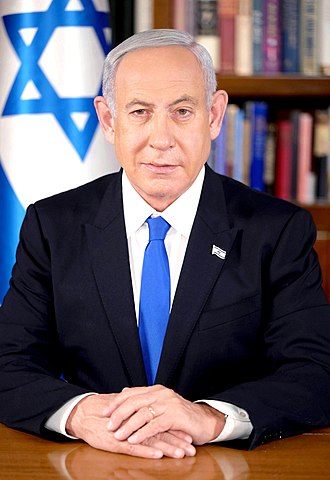
Benjamin Netanyahu
Prime Minister of Israel (1996–1999; 2009–2021; since 2022)
Benjamin "Bibi" Netanyahu (born 21 October 1949) is an Israeli politician and diplomat who has served as Prime Minister of Israel since 2022. Having previously held office from 1996 to 1999 and from 2009 to 2021, Netanyahu is Israel's longest-serving prime minister. Born in Tel Aviv, Netanyahu was r...
Entity Intersection Graph
Connections for Hezbollah:
View full profileMentioned Entities
Deep Analysis
Why It Matters
This development marks a rare and critical diplomatic opening between the U.S. and Iran, which could significantly alter the geopolitical landscape of the Middle East. A successful ceasefire would provide immediate relief to civilians displaced by cross-border hostilities and potentially prevent a wider regional war. Furthermore, these negotiations could establish a framework for long-term regional stability involving multiple Arab states and Palestinian factions. The outcome will likely define the security architecture of the region for the foreseeable future, impacting global energy markets and international relations.
Context & Background
- Tensions between Israel and Hezbollah have historically escalated into conflict, most notably the 2006 Lebanon War which ended with a UN resolution calling for disarmament of militias near the border.
- The U.S. and Iran have not had formal diplomatic relations since 1980, often relying on intermediaries for communication regarding regional security and nuclear issues.
- Hezbollah is a powerful political and militant group in Lebanon backed by Iran, considered a proxy force that plays a significant role in the country's politics and regional conflicts.
- The current cycle of violence mentioned in the article involves months of cross-border exchanges and has created significant instability in the Middle East.
- Previous ceasefire attempts in the region have frequently collapsed due to deep-seated mistrust, last-minute political demands, and influence from hardline factions.
- Lebanon is currently navigating a severe economic crisis, making the return of displaced civilians and border stability crucial for the country's survival.
What Happens Next
In the coming weeks, international mediators from Qatar, Egypt, and Europe will likely work to formalize the agenda and schedule for the preliminary talks. Diplomatic efforts will focus on bridging the gaps regarding Hezbollah's withdrawal from southern Lebanon and security guarantees for Israel. Observers should watch for any temporary halts in military operations as a sign of good faith preceding formal negotiations. If initial talks succeed, a broader regional conference involving Arab states and Palestinian factions may be convened to address permanent resolution frameworks.
Frequently Asked Questions
Direct talks are being prepared to address broader regional tensions and the activities of Iranian-backed groups, marking a rare engagement between the two adversaries.
Key obstacles include Hezbollah's military presence in southern Lebanon, disputes over border demarcation, and the return of displaced civilians to the frontier.
No, Israeli officials have emphasized that military operations will continue until a satisfactory agreement is reached.
International mediators from Qatar, Egypt, and European nations are reportedly facilitating the preliminary discussions.
The goal is to achieve an immediate ceasefire and de-escalation, eventually leading to a permanent resolution of the conflicts and broader regional stability.