
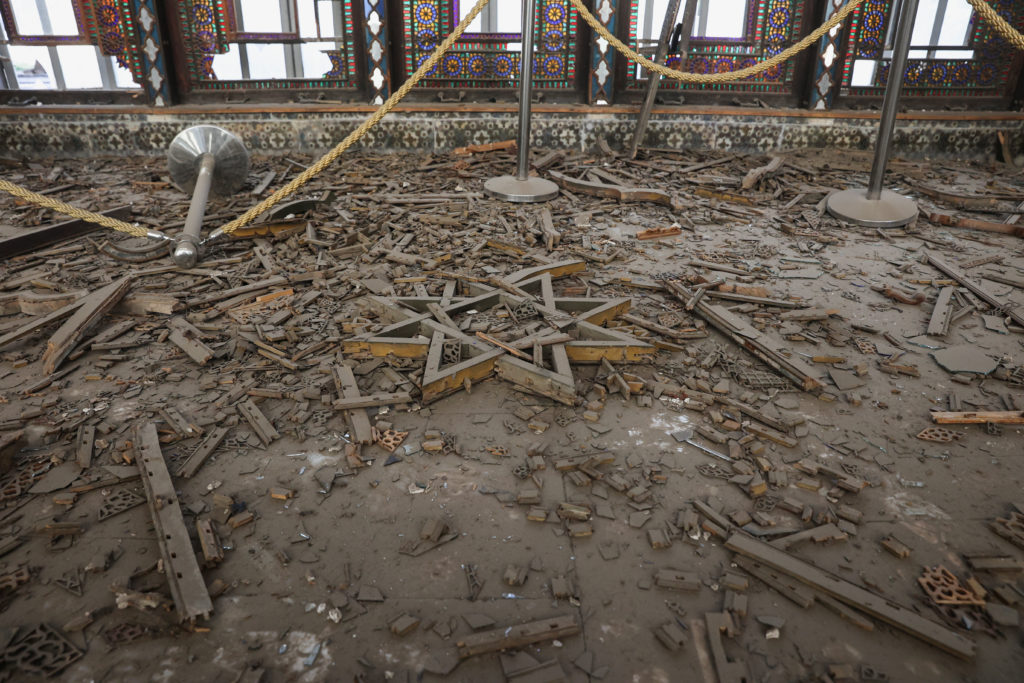
U.S and Israeli strikes are damaging Iranian historical sites
#U.S. strikes #Israeli strikes #Iran #historical sites #cultural heritage #damage #military actions
📌 Key Takeaways
- U.S. and Israeli military strikes are causing damage to historical sites in Iran.
- The attacks are impacting cultural heritage locations within Iran.
- The situation highlights the collateral damage of military actions on cultural assets.
- The incidents raise concerns about the preservation of Iran's historical landmarks.
📖 Full Retelling
🏷️ Themes
Military Conflict, Cultural Heritage
Entity Intersection Graph
No entity connections available yet for this article.
Deep Analysis
Why It Matters
This news matters because it represents an escalation in military tactics that targets cultural heritage, which is protected under international law. It affects not only Iran's national identity and historical preservation efforts but also global cultural heritage advocates and international relations. The destruction of historical sites could deepen anti-Western sentiment in Iran and complicate future diplomatic negotiations. Additionally, it raises ethical questions about military conduct and the protection of non-combatant cultural assets during conflicts.
Context & Background
- Iran is home to numerous UNESCO World Heritage Sites, including Persepolis and Pasargadae, which date back to ancient Persian empires.
- International law, particularly the 1954 Hague Convention, prohibits the targeting of cultural property during armed conflict.
- Tensions between Iran and Israel/U.S. have been high for decades, primarily over Iran's nuclear program and regional influence.
- Previous conflicts in the Middle East, such as in Iraq and Syria, have seen significant damage to historical sites from military operations.
- Iran has accused Israel of covert operations on its soil before, including assassinations and sabotage, but overt military strikes on cultural sites would mark a new escalation.
What Happens Next
Iran will likely file formal complaints with international bodies like UNESCO and the UN Security Council, seeking condemnation of the strikes. There may be increased security around historical sites, and Iran could retaliate with asymmetric measures against U.S. or Israeli interests. Diplomatic fallout may include strained relations with countries advocating cultural preservation, and potential investigations into the strikes' legality under international law.
Frequently Asked Questions
Strikes on historical sites may be intended to demoralize the Iranian population or symbolically undermine national pride, though such actions are widely condemned. Alternatively, they could be collateral damage if sites are near military or strategic targets. However, intentional targeting violates international norms and could backfire by strengthening domestic support for the Iranian government.
Under international law, particularly the 1954 Hague Convention, targeting cultural property is a war crime. Perpetrators could face prosecution in international courts, though enforcement is challenging. Such actions may also lead to sanctions or diplomatic isolation from the global community.
Damage to historical sites could significantly impact Iran's tourism industry, which relies on cultural heritage attractions. This may reduce revenue and jobs in the sector, exacerbating economic challenges. Restoration efforts would also require substantial financial resources, diverting funds from other needs.
The global response is likely to include condemnation from cultural organizations like UNESCO and many governments, especially those valuing heritage preservation. However, geopolitical alliances may influence reactions, with some countries downplaying the issue due to political tensions with Iran. Public outcry from historians and activists could pressure for accountability.
Restoration depends on the extent of damage and available expertise; some sites may be partially rebuilt, but original historical integrity can be lost forever. International aid might be offered, but political relations could hinder cooperation. In past conflicts, such as in Syria, restoration has been slow and costly.