

US-Israel strikes have destroyed Iran’s ability to enrich uranium, Netanyahu says
#Netanyahu #Iran #uranium enrichment #US-Israel strikes #nuclear program #Middle East #military escalation
📌 Key Takeaways
- Israeli Prime Minister Netanyahu claims US-Israel strikes have destroyed Iran's uranium enrichment capability.
- The statement implies a significant blow to Iran's nuclear program infrastructure.
- The alleged strikes represent a major escalation in regional military actions.
- The claim directly addresses long-standing international concerns over Iran's nuclear ambitions.
🏷️ Themes
Military Action, Nuclear Proliferation
📚 Related People & Topics

Iran
Country in West Asia
# Iran **Iran**, officially the **Islamic Republic of Iran** and historically known as **Persia**, is a sovereign country situated in West Asia. It is a major regional power, ranking as the 17th-largest country in the world by both land area and population. Combining a rich historical legacy with a...

Middle East
Transcontinental geopolitical region
The Middle East is a geopolitical region encompassing the Arabian Peninsula, Egypt, Iran, Iraq, the Levant, and Turkey. The term came into widespread usage by Western European nations in the early 20th century as a replacement of the term Near East (both were in contrast to the Far East). The term ...
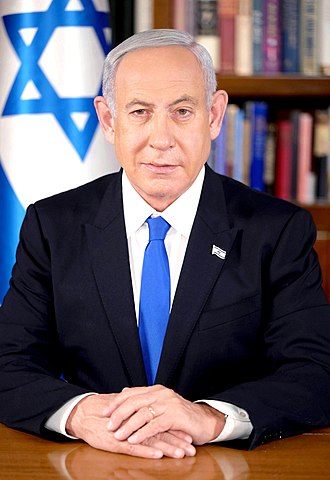
Benjamin Netanyahu
Prime Minister of Israel (1996–1999; 2009–2021; since 2022)
Benjamin "Bibi" Netanyahu (born 21 October 1949) is an Israeli politician and diplomat who has served as Prime Minister of Israel since 2022. Having previously held office from 1996 to 1999 and from 2009 to 2021, Netanyahu is Israel's longest-serving prime minister. Born in Tel Aviv, Netanyahu was r...
Entity Intersection Graph
Connections for Iran:
Mentioned Entities
Deep Analysis
Why It Matters
This statement by Israeli Prime Minister Netanyahu claims a significant blow to Iran's nuclear program, which has been a major international security concern for decades. If accurate, it would represent a major shift in Middle Eastern power dynamics and potentially reduce immediate fears of Iranian nuclear weapon development. The announcement affects global energy markets, regional stability, and international diplomatic relations, particularly between Iran, Israel, the US, and European powers. It also raises questions about verification and potential Iranian retaliation.
Context & Background
- Iran's nuclear program has been under international scrutiny since the early 2000s, with concerns about potential weaponization despite Iran's claims of peaceful purposes
- The 2015 Joint Comprehensive Plan of Action (JCPOA) imposed restrictions on Iran's nuclear activities in exchange for sanctions relief, but the US withdrew in 2018 under President Trump
- Israel has conducted multiple covert operations against Iran's nuclear facilities over the years, including cyberattacks and alleged assassinations of nuclear scientists
- Iran has consistently denied seeking nuclear weapons while gradually increasing uranium enrichment levels beyond JCPOA limits since 2019
- The International Atomic Energy Agency (IAEA) has documented Iran's expanding nuclear capabilities and stockpiles in recent quarterly reports
What Happens Next
International inspectors from the IAEA will likely seek immediate access to verify Netanyahu's claims about Iran's enrichment capabilities. Iran is expected to issue strong denials or counterclaims and may announce retaliatory measures against Israeli or US interests. Diplomatic efforts will intensify at the UN Security Council, with Russia and China likely opposing any Western-led resolutions. Military analysts will assess satellite imagery and intelligence to independently verify the extent of damage to Iranian nuclear facilities.
Frequently Asked Questions
This likely refers to physical damage to centrifuges, facilities, or infrastructure needed for uranium enrichment. Complete destruction would mean Iran cannot currently produce enriched uranium at any level, though rebuilding capability is possible depending on damage extent and available technical knowledge.
Such strikes would dramatically alter negotiation dynamics, potentially hardening Iran's position or creating an opportunity for renewed talks from a weakened Iranian position. Previous diplomatic frameworks like the JCPOA would need complete renegotiation given changed circumstances.
Independent verification is crucial. The IAEA would need access to inspect facilities, while satellite imagery analysts and intelligence agencies would assess damage. Previous Israeli claims about Iranian nuclear capabilities have sometimes been accurate but occasionally exaggerated for political purposes.
Yes, though timeline depends on damage severity and remaining technical expertise. Iran has demonstrated nuclear knowledge persistence despite past setbacks. Reconstruction might take months to years, during which international monitoring would be critical.
Regional allies like Saudi Arabia and UAE might privately welcome the action while publicly calling for de-escalation. European powers would likely condemn unilateral military action while Russia and China would criticize it as violation of sovereignty. The US position would depend on administration confirmation of involvement.