
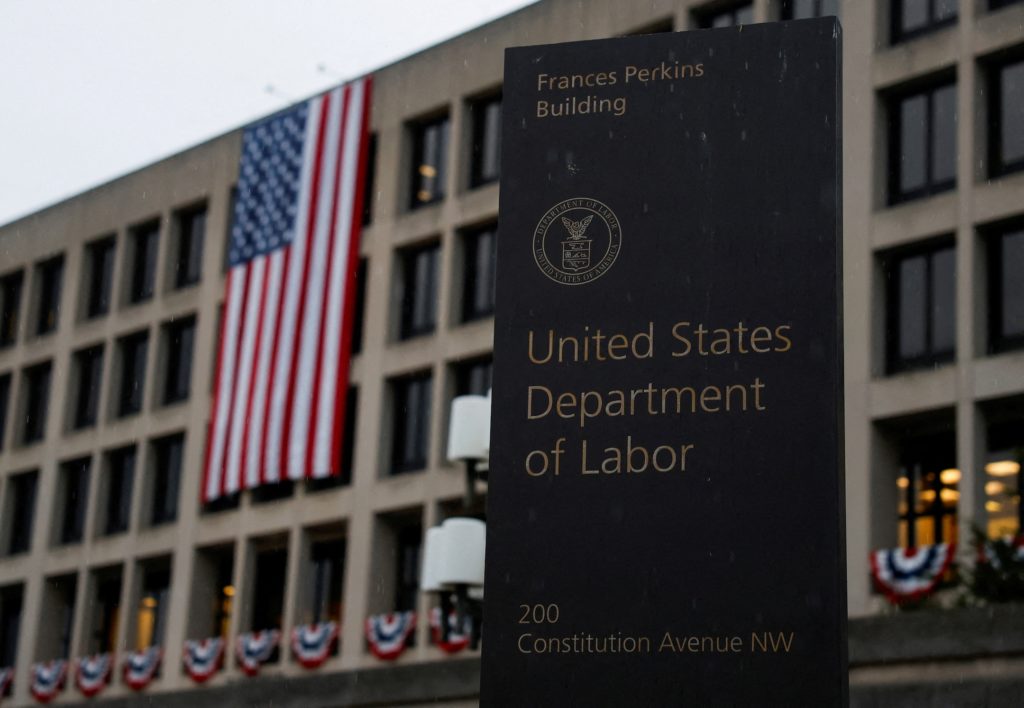
U.S. lost 92,000 jobs last month and unemployment rate rises to 4.4%
#jobs #unemployment #labor market #economic data #U.S. economy
📌 Key Takeaways
- U.S. lost 92,000 jobs in the previous month
- Unemployment rate increased to 4.4%
- Indicates a weakening labor market
- Suggests potential economic slowdown
📖 Full Retelling
🏷️ Themes
Employment, Economy
Entity Intersection Graph
No entity connections available yet for this article.
Deep Analysis
Why It Matters
This news matters because it signals potential economic weakness that could affect millions of Americans' livelihoods and financial security. Rising unemployment typically leads to reduced consumer spending, which can slow economic growth and potentially trigger a recession. The data affects job seekers, businesses making hiring decisions, policymakers at the Federal Reserve setting interest rates, and investors monitoring economic health. A sustained trend of job losses could impact everything from government tax revenues to social service demands.
Context & Background
- The U.S. unemployment rate has been historically low in recent years, often below 4%, making this increase notable
- Monthly job reports are key economic indicators watched by policymakers, businesses, and financial markets worldwide
- The Federal Reserve uses employment data to guide monetary policy decisions on interest rates
- Previous economic downturns have often been preceded by rising unemployment rates and consecutive job losses
What Happens Next
Economists will watch next month's report to see if this becomes a trend. The Federal Reserve may reconsider interest rate policies if job losses continue. Businesses may become more cautious about hiring and investment. Government officials may propose economic stimulus measures if the situation worsens.
Frequently Asked Questions
While the article doesn't specify sectors, typically during economic slowdowns, cyclical industries like manufacturing, construction, and retail are most affected. Service industries and government jobs may also show declines depending on broader economic conditions.
This represents a significant shift from recent trends of job growth. A loss of 92,000 jobs suggests the labor market is weakening, contrasting with the consistent job gains seen throughout most of the economic recovery period.
Rising unemployment typically pressures the Federal Reserve to lower interest rates to stimulate economic activity. However, the Fed must balance this against inflation concerns, making their upcoming policy decisions more complex.
The monthly jobs report comes from two surveys with margins of error and is often revised in subsequent months. While not perfect, it's considered the most reliable timely indicator of U.S. employment trends and is closely watched by economists.
Governments can implement fiscal stimulus through infrastructure spending, tax cuts, or extended unemployment benefits. The Federal Reserve can use monetary policy tools like lowering interest rates to encourage borrowing and investment.