
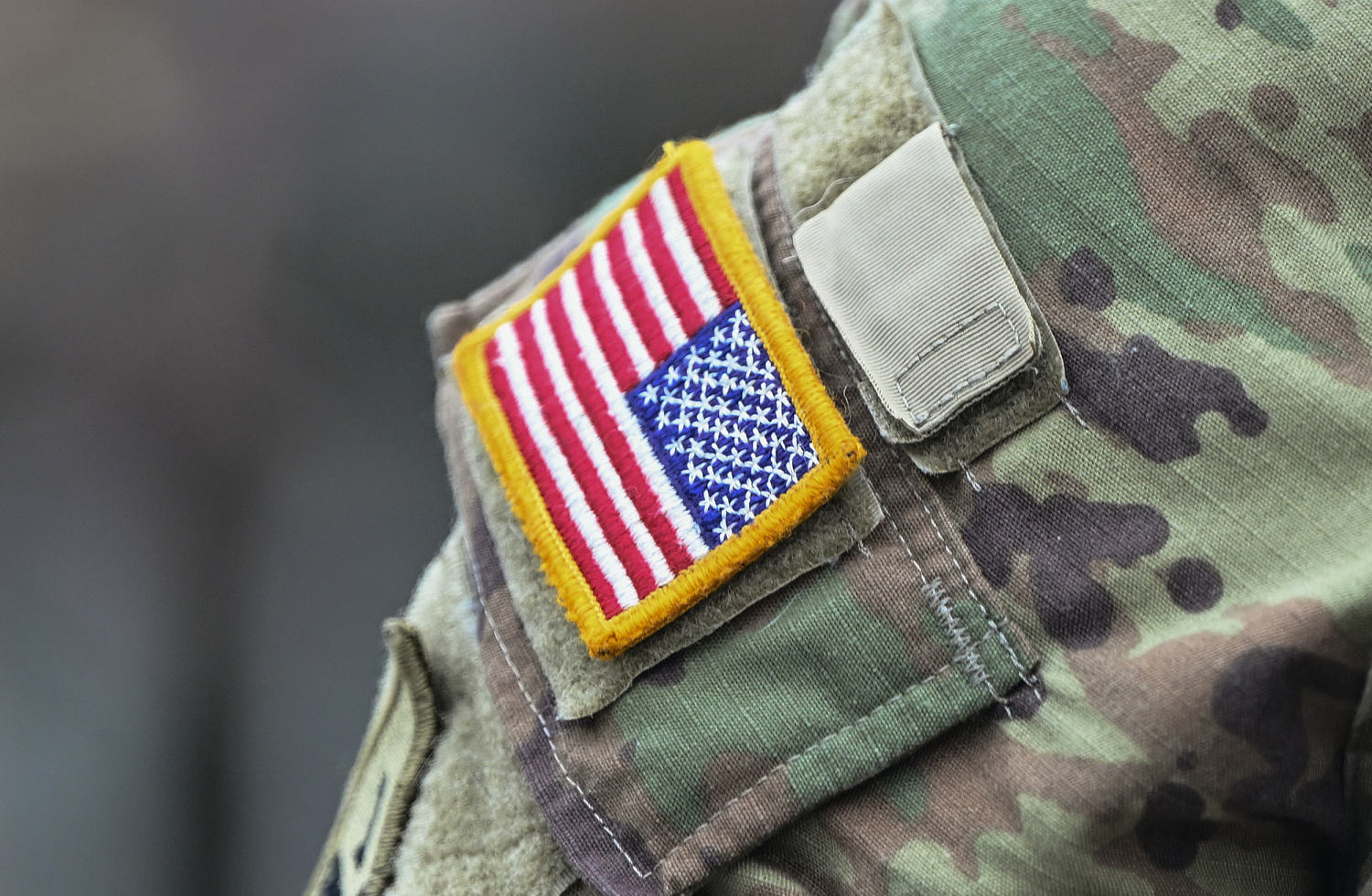
U.S. military is using AI to help plan Iran air attacks, sources say, as lawmakers call for oversight
#U.S. military #AI #Iran #air attacks #planning #oversight #lawmakers #sources
📌 Key Takeaways
- U.S. military reportedly uses AI to assist in planning air attacks against Iran.
- Sources confirm the integration of AI into military operational planning.
- Lawmakers are advocating for increased oversight of AI use in military operations.
- The development highlights growing reliance on AI for national security decisions.
📖 Full Retelling
🏷️ Themes
Military AI, Oversight
📚 Related People & Topics

Artificial intelligence
Intelligence of machines
# Artificial Intelligence (AI) **Artificial Intelligence (AI)** is a specialized field of computer science dedicated to the development and study of computational systems capable of performing tasks typically associated with human intelligence. These tasks include learning, reasoning, problem-solvi...

Iran
Country in West Asia
# Iran **Iran**, officially the **Islamic Republic of Iran** and historically known as **Persia**, is a sovereign country situated in West Asia. It is a major regional power, ranking as the 17th-largest country in the world by both land area and population. Combining a rich historical legacy with a...
Entity Intersection Graph
Connections for Artificial intelligence:
Mentioned Entities
Deep Analysis
Why It Matters
This news matters because it represents a significant escalation in the integration of artificial intelligence into military decision-making, potentially accelerating conflict timelines and reducing human oversight in lethal operations. It directly affects U.S. military personnel, Iranian military targets, and international relations in the Middle East. The development raises critical ethical questions about autonomous weapons systems and could set precedents for how AI is used in future conflicts globally.
Context & Background
- The U.S. and Iran have had tense relations since the 1979 Iranian Revolution, with recent conflicts including the 2020 U.S. drone strike that killed Iranian General Qasem Soleimani.
- The Pentagon has been investing heavily in AI through initiatives like Project Maven since 2017, which initially focused on computer vision for drone footage analysis.
- International debates about lethal autonomous weapons systems have been ongoing for years, with the UN discussing potential regulations since 2014.
- Previous U.S. military AI applications have included predictive maintenance, logistics optimization, and intelligence analysis rather than direct combat planning.
What Happens Next
Congressional hearings on military AI oversight are likely within the next 2-3 months, with proposed legislation potentially introduced by year-end. The Pentagon may face pressure to release its AI ethics guidelines and transparency protocols. International bodies like the UN may accelerate discussions about autonomous weapons treaties. Military demonstrations of the AI planning capabilities could occur within 6-12 months, though likely in controlled environments.
Frequently Asked Questions
The AI systems reportedly analyze intelligence data, satellite imagery, and threat assessments to identify optimal targets and timing for airstrikes. They can process vast amounts of information faster than human analysts to recommend attack plans, though final decisions remain with human commanders.
Lawmakers are concerned about the rapid deployment of AI in lethal decision-making without established ethical frameworks or congressional approval. They worry about accountability, potential errors, and the precedent this sets for autonomous weapons systems that could operate with minimal human control.
Unlike traditional targeting computers that assist with calculations, this AI can generate complete operational plans by synthesizing multiple intelligence streams. It represents a shift from tools that enhance human decision-making to systems that can propose entire courses of action, potentially reducing human deliberation time.
Primary concerns include the risk of algorithmic bias leading to civilian casualties, lack of transparency in AI decision-making, reduced human judgment in lethal operations, and potential escalation dynamics if AI systems misinterpret signals or recommend preemptive strikes based on flawed predictions.
Iran will likely accelerate its own military AI programs and may invest more in electronic warfare capabilities to disrupt U.S. AI systems. They could also use this development to rally international support against what they'll characterize as 'reckless American militarization of technology.'