
US Supreme Court rejects Colorado ban on LGBTQ child ‘conversion therapy’
#Supreme Court #conversion therapy #Colorado #LGBTQ children #ban #legal challenge #free speech
📌 Key Takeaways
- The US Supreme Court rejected Colorado's ban on conversion therapy for LGBTQ children.
- The decision allows conversion therapy practices to continue in Colorado.
- The ruling highlights ongoing legal debates over LGBTQ rights and state regulations.
- The case reflects tensions between free speech protections and mental health safeguards.
📖 Full Retelling
🏷️ Themes
LGBTQ rights, Legal rulings
📚 Related People & Topics
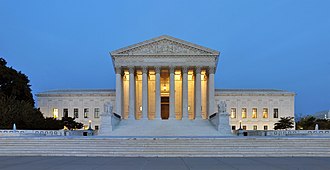
Supreme court
Highest court in a jurisdiction
In most legal jurisdictions, a supreme court, also known as a court of last resort, apex court, high (or final) court of appeal, and court of final appeal, is the highest court within the hierarchy of courts. Broadly speaking, the decisions of a supreme court are binding on all other courts in a nat...

Colorado
U.S. state
Colorado is a landlocked state in the Western United States. It is one of the Mountain states, and part of the Southwestern United States, sharing the Four Corners region with Arizona, New Mexico, and Utah. It is also bordered by Wyoming to the north, Nebraska to the northeast, Kansas to the east, a...
Entity Intersection Graph
Connections for Supreme court:
Mentioned Entities
Deep Analysis
Why It Matters
This Supreme Court decision has significant implications for LGBTQ youth protections and state regulatory authority. It affects LGBTQ minors in Colorado who may now be exposed to conversion therapy practices that major medical associations have condemned as harmful. The ruling creates a legal precedent that could challenge similar bans in other states, potentially impacting vulnerable youth nationwide. This decision also represents a major victory for religious freedom advocates who argue such bans infringe on First Amendment rights.
Context & Background
- Conversion therapy refers to practices attempting to change a person's sexual orientation or gender identity, which the American Psychological Association has opposed since 1997
- Colorado passed its conversion therapy ban in 2019, joining 20 other states and numerous municipalities with similar protections for minors
- The Supreme Court previously declined to hear challenges to conversion therapy bans in 2014 and 2017, making this decision a notable shift in judicial approach
- The case originated from a challenge by a Christian therapist who argued Colorado's ban violated her free speech and religious exercise rights under the First Amendment
What Happens Next
Legal challenges to similar conversion therapy bans in other states are likely to increase following this precedent. Colorado lawmakers may explore alternative regulatory approaches that could withstand constitutional scrutiny. Advocacy groups will likely intensify efforts at both state and federal levels, with potential congressional action on the Therapeutic Fraud Prevention Act. The decision may also influence upcoming Supreme Court cases involving LGBTQ rights and religious freedom conflicts.
Frequently Asked Questions
Conversion therapy encompasses psychological or spiritual interventions attempting to change a person's sexual orientation or gender identity. Major medical organizations have condemned these practices as ineffective and harmful, particularly for minors who may experience increased depression and suicide risk.
While the full reasoning isn't detailed in the rejection, the Court likely found constitutional issues with the ban's restrictions on speech and religious practice. The decision suggests the Court views such regulations as potentially violating First Amendment protections for therapists.
No, this decision specifically addresses Colorado's law, though it creates precedent that could weaken other state bans. Currently 20 states still have active conversion therapy bans, but legal challenges to these laws are now more likely to succeed.
LGBTQ youth in states without conversion therapy bans have fewer legal protections against these practices. However, many professional licensing boards still prohibit conversion therapy, and numerous municipalities maintain local bans that may remain in effect.
Major medical associations including the American Medical Association, American Psychological Association, and American Academy of Pediatrics uniformly oppose conversion therapy. They cite research showing these practices are ineffective and cause significant psychological harm, particularly to minors.