
Watch: Clinton remembers Jesse Jackson as a friend, says he made him a better president
#Bill Clinton #Jesse Jackson #presidency #friendship #political influence #leadership #advocacy #remembrance
📌 Key Takeaways
- Bill Clinton recalls Jesse Jackson as a personal friend and influential figure.
- Clinton credits Jackson with making him a better president through their interactions.
- The remembrance highlights Jackson's role in shaping political leadership and policy.
- The statement underscores the lasting impact of Jackson's advocacy and mentorship.
📖 Full Retelling
🏷️ Themes
Political Legacy, Personal Tribute
📚 Related People & Topics
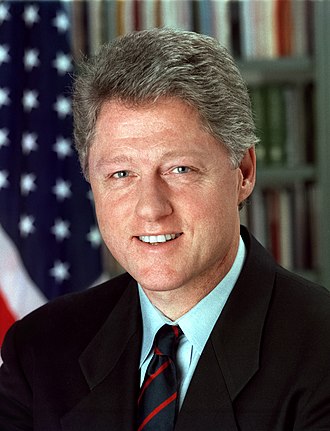
Bill Clinton
President of the United States from 1993 to 2001
William Jefferson Clinton (né Blythe III; born August 19, 1946) is an American politician and lawyer who served as the 42nd president of the United States from 1993 to 2001. A member of the Democratic Party, he previously served as the attorney general of Arkansas from 1977 to 1979 and as the gove...

Jesse Jackson
American activist and politician (1941–2026)
Jesse Louis Jackson (né Burns; October 8, 1941 – February 17, 2026) was an American civil rights activist, politician, and ordained Baptist minister. Beginning as a young protégé of Martin Luther King Jr. during the civil rights movement, Jackson has maintained his status as a prominent civil rights...
Entity Intersection Graph
Connections for Bill Clinton:
Mentioned Entities
Deep Analysis
Why It Matters
This news matters because it highlights the enduring influence of civil rights leaders on American politics and presidential legacies. It affects political historians, civil rights advocates, and those studying the intersection of social movements and governance. The acknowledgment from a former president validates the role activists play in shaping policy and national discourse, while also reflecting on how personal relationships between leaders can impact governance. This serves as a reminder of how external voices can hold elected officials accountable and push for progressive change.
Context & Background
- Jesse Jackson is a prominent civil rights activist and Baptist minister who founded the Rainbow/PUSH Coalition and ran for the Democratic presidential nomination in 1984 and 1988.
- Bill Clinton served as the 42nd President of the United States from 1993 to 2001, during which he worked with Jackson on issues like economic inequality and racial justice.
- Jackson has been a key figure in Democratic politics for decades, often advocating for marginalized communities and influencing party platforms.
- Clinton's presidency included policies such as welfare reform and crime bills that were sometimes criticized by progressives, making Jackson's role as both supporter and critic significant.
- The relationship between Clinton and Jackson has included both collaboration and public disagreements, reflecting the dynamic between institutional politics and activist movements.
What Happens Next
This remembrance may lead to increased public reflection on Jackson's legacy, especially as civil rights history is revisited in current political discussions. It could inspire tributes or events honoring Jackson's contributions, potentially around milestones like his birthday or civil rights anniversaries. In the short term, it may also prompt further commentary from other political figures on Jackson's impact, and could be referenced in upcoming elections to highlight the importance of activist engagement.
Frequently Asked Questions
Jesse Jackson is a civil rights leader and former presidential candidate known for advocating racial and economic justice. He founded organizations like the Rainbow Coalition and has influenced Democratic politics for decades, pushing for policies to address inequality and voter rights.
Jackson influenced Clinton by advocating for progressive policies on issues like poverty, healthcare, and civil rights, often serving as both an ally and a critic. His activism helped shape public discourse and pressured the administration to address social justice concerns, contributing to Clinton's policy decisions.
Their relationship dates back to Clinton's political rise, with Jackson supporting his campaigns but also challenging him on issues like welfare reform. It reflects the tension and collaboration between mainstream politicians and activist leaders in advancing social change.
This remembrance likely occurs in response to a specific event, such as a tribute, interview, or anniversary related to Jackson's legacy. It serves to highlight ongoing relevance of civil rights history and the personal impacts activists have on leaders.
It underscores the importance of activist voices in shaping governance and may inspire current leaders to engage with civil rights advocates. It also reinforces the historical role of figures like Jackson in pushing for inclusive policies in today's political landscape.