
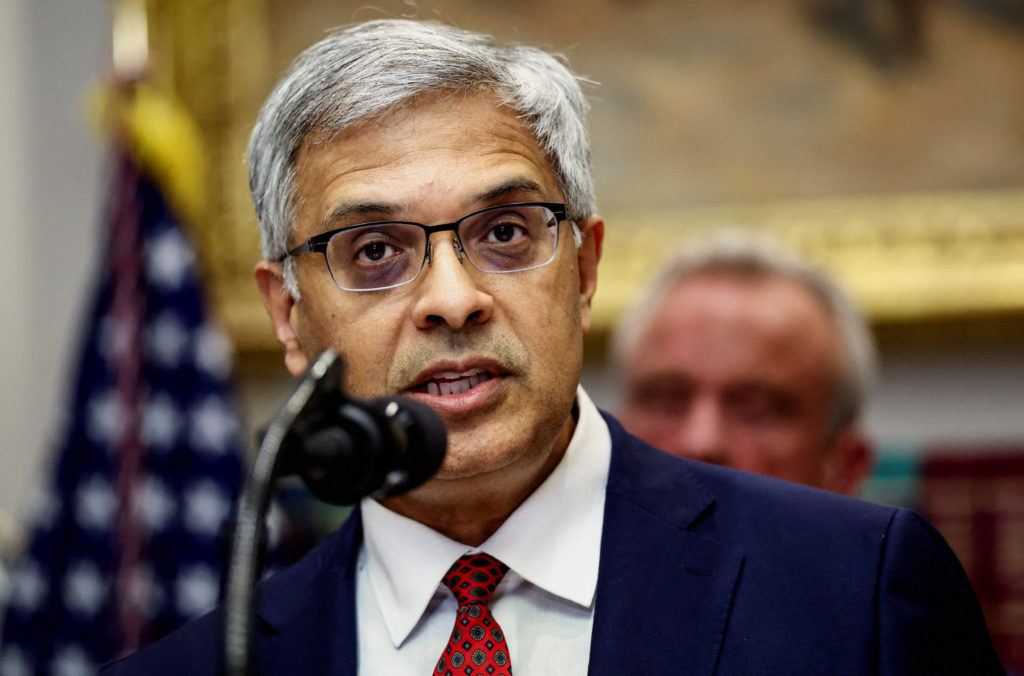
WATCH LIVE: Dr. Jay Bhattacharya testifies at NIH oversight hearing before House panel
#Jay Bhattacharya #NIH #oversight hearing #House panel #testimony #pandemic #public health
📌 Key Takeaways
- Dr. Jay Bhattacharya testifies before a House panel on NIH oversight.
- The hearing focuses on evaluating the NIH's actions and policies.
- Live coverage allows public access to the congressional testimony.
- The testimony likely addresses pandemic response and public health guidance.
📖 Full Retelling
🏷️ Themes
Government Oversight, Public Health
Entity Intersection Graph
No entity connections available yet for this article.
Deep Analysis
Why It Matters
This testimony matters because Dr. Jay Bhattacharya is a prominent Stanford professor who co-authored the Great Barrington Declaration advocating for focused protection rather than lockdowns during COVID-19. His testimony before the House oversight committee examining NIH's pandemic response could influence future public health policy and funding decisions. This affects public health officials, policymakers, and citizens concerned about pandemic preparedness and government transparency in scientific decision-making.
Context & Background
- Dr. Jay Bhattacharya is a professor of medicine at Stanford University who gained prominence during the COVID-19 pandemic for his criticism of lockdown policies
- The Great Barrington Declaration he co-authored in October 2020 advocated for 'focused protection' of vulnerable populations while allowing lower-risk individuals to continue normal life
- The NIH (National Institutes of Health) has faced scrutiny over its pandemic response, particularly regarding funding of gain-of-function research and early pandemic guidance
- House oversight committees have been investigating various aspects of the federal government's COVID-19 response throughout 2023-2024
- Bhattacharya has previously testified before Congress about pandemic policies and has been a frequent critic of public health measures like school closures and vaccine mandates
What Happens Next
Following this testimony, the House panel will likely issue a report with recommendations for NIH reform, possibly within 30-60 days. Congressional hearings on pandemic preparedness are expected to continue through 2024, with potential legislation addressing research oversight. The testimony may influence upcoming NIH budget negotiations and could lead to calls for greater transparency in public health decision-making processes.
Frequently Asked Questions
Dr. Jay Bhattacharya is a Stanford University professor of medicine who co-authored the controversial Great Barrington Declaration during the pandemic. His testimony is significant because he represents a dissenting scientific viewpoint on COVID-19 policies that challenged mainstream public health approaches.
The House oversight committee is examining the NIH's role in pandemic response, including potential issues with research funding transparency, early pandemic guidance decisions, and allegations of suppressing alternative scientific viewpoints. The hearing focuses on accountability for pandemic policies that affected millions of Americans.
The Great Barrington Declaration was a controversial October 2020 document advocating for 'focused protection' of vulnerable populations during COVID-19 while allowing lower-risk individuals to maintain normal life. It was criticized by many public health experts but gained significant public support from those opposing lockdown measures.
This testimony could influence future pandemic policies by highlighting alternative approaches to public health emergencies. It may lead to reforms in how scientific dissent is handled during crises and potentially shape legislation regarding emergency powers and public health authority.
Main criticisms include allegations of suppressing alternative scientific viewpoints, questionable research funding decisions particularly regarding gain-of-function research, and perceived conflicts of interest among public health officials. Critics also point to what they see as insufficient consideration of lockdowns' collateral damage.