
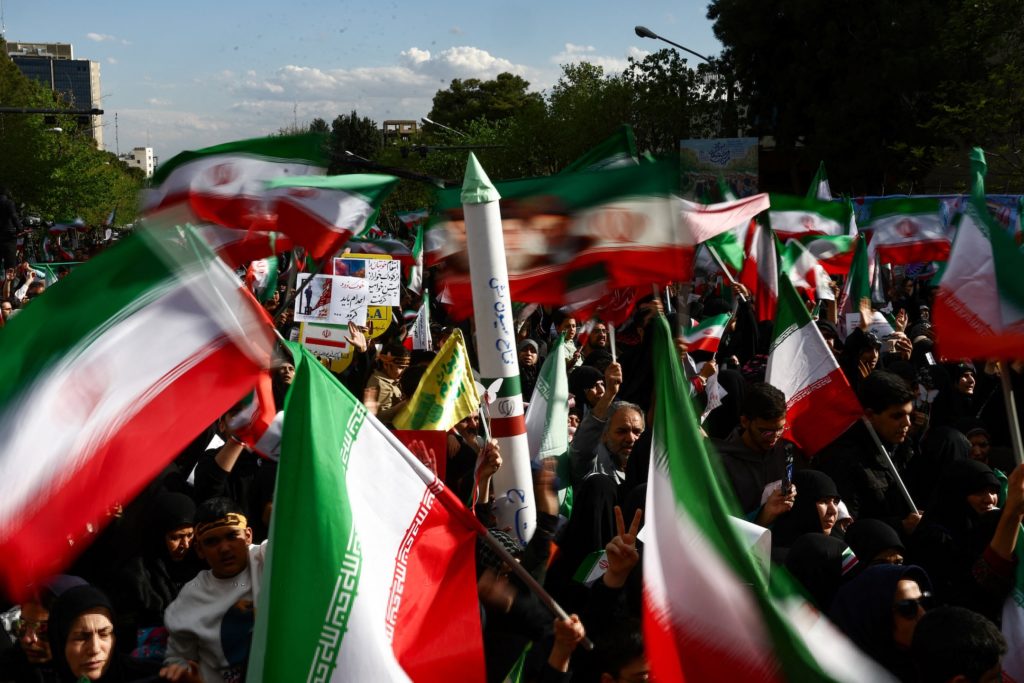
What people in Iran are saying about the war and their government
#Iran public opinion #U.S.-Iran ceasefire #Strait of Hormuz #economic sanctions #regional proxies #Iranian domestic policy #Middle East tensions
📌 Key Takeaways
- Iranian public shows war-weariness and economic frustration despite government's militant rhetoric
- Significant disconnect exists between regime's regional policies and citizens' domestic priorities
- External pressures and internal dissatisfaction create complex challenges for Iranian leadership
- Understanding civilian perspectives is essential for assessing regional stability
📖 Full Retelling
🏷️ Themes
Geopolitics, Public Sentiment, Regional Conflict
📚 Related People & Topics

Strait of Hormuz
Strait between the Gulf of Oman and the Persian Gulf
The Strait of Hormuz ( Persian: تنگهٔ هُرمُز Tangeh-ye Hormoz , Arabic: مَضيق هُرمُز Maḍīq Hurmuz) is a strait between the Persian Gulf and the Gulf of Oman. It provides the only sea passage from the Persian Gulf to the open ocean and is one of the world's most strategically important choke points. ...
Entity Intersection Graph
Connections for Strait of Hormuz:
Mentioned Entities
Deep Analysis
Why It Matters
This analysis matters because it challenges the monolithic view of Iran often presented in Western media, revealing a population exhausted by conflict and economic hardship. It highlights potential instability within the Iranian regime, as public dissatisfaction with economic conditions could force strategic recalculations regarding foreign policy. For policymakers and international observers, recognizing this disconnect is vital for predicting how Iran might respond to future diplomatic or military pressures in the region.
Context & Background
- Iran has faced severe economic sanctions, particularly from the U.S., following the withdrawal from the JCPOA (nuclear deal) in 2018.
- The country supports various proxy groups across the Middle East, often referred to as the 'Axis of Resistance,' which frequently engage in conflict with Israel and U.S. interests.
- The Strait of Hormuz is a critical chokepoint for global oil supply, often a flashpoint for tensions between the Iranian military and Western navies.
- Recent escalations include Israeli strikes in Lebanon and ongoing skirmishes involving Iranian-backed militias, contributing to regional instability.
- Holly Dagres is a non-resident senior fellow at the Atlantic Council and curates 'The Iranist,' providing analysis on Iranian affairs.
What Happens Next
Analysts will likely monitor whether economic deterioration leads to more vocal domestic protests or if the regime uses external conflicts to further suppress dissent. The Iranian government may attempt to balance its regional military activities with domestic economic relief measures to maintain stability. Continued tensions in the Strait of Hormuz and Lebanon could test the public's threshold for war-weariness versus nationalist solidarity.
Frequently Asked Questions
According to the analysis, ordinary Iranians are primarily concerned with domestic stability and economic relief, specifically dealing with severe inflation and the impact of international sanctions.
State media often portrays strong support for proxy groups and anti-Western rhetoric, whereas many citizens express war-weariness and prioritize economic survival over regional military engagements.
Holly Dagres is an Iran analyst who spent her formative years in Tehran and currently curates 'The Iranist,' an influential newsletter providing insights into Iranian affairs.
External threats can temporarily consolidate nationalist sentiment and support for the government, but sustained internal dissatisfaction with the economy creates long-term pressure points for the regime.