
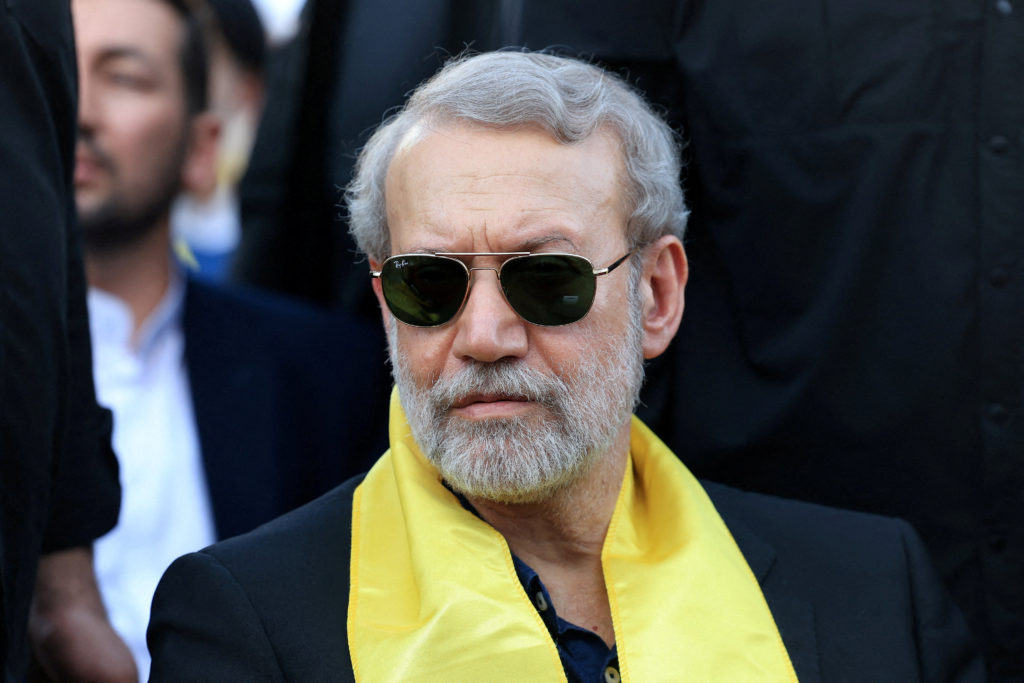
What to know about the top Iranian officials targeted by Israel in overnight strikes
#Israel #Iran #airstrikes #officials #retaliation #Middle East #tensions
📌 Key Takeaways
- Israel conducted overnight strikes targeting senior Iranian officials.
- The strikes are part of escalating regional tensions between Israel and Iran.
- The identities and roles of the targeted officials are a key focus.
- The attacks may prompt significant retaliation and further destabilize the region.
📖 Full Retelling
🏷️ Themes
Geopolitical Conflict, Military Strikes
📚 Related People & Topics

Iran
Country in West Asia
# Iran **Iran**, officially the **Islamic Republic of Iran** and historically known as **Persia**, is a sovereign country situated in West Asia. It is a major regional power, ranking as the 17th-largest country in the world by both land area and population. Combining a rich historical legacy with a...

Middle East
Transcontinental geopolitical region
The Middle East is a geopolitical region encompassing the Arabian Peninsula, Egypt, Iran, Iraq, the Levant, and Turkey. The term came into widespread usage by Western European nations in the early 20th century as a replacement of the term Near East (both were in contrast to the Far East). The term ...

Israel
Country in West Asia
Israel, officially the State of Israel, is a country in the Southern Levant region of West Asia. It is bordered by Lebanon to the north, Syria to the northeast, Jordan to the east, and Egypt to the southwest. Israel occupies the West Bank and the Gaza Strip of the Palestinian territories, as well as...
Entity Intersection Graph
Connections for Iran:
Mentioned Entities
Deep Analysis
Why It Matters
This news matters because it represents a significant escalation in the long-standing shadow war between Israel and Iran, potentially moving the conflict into more direct confrontation. It affects regional stability across the Middle East, particularly for countries like Syria, Lebanon, and Iraq where Iranian proxies operate. The targeting of senior Iranian officials increases the risk of retaliatory attacks that could draw multiple regional actors into broader conflict, impacting global oil markets and international security.
Context & Background
- Israel and Iran have engaged in a decades-long proxy conflict, with Iran supporting groups like Hezbollah and Hamas that oppose Israel
- Iran has expanded its military presence in Syria since 2011, establishing bases and supply routes near Israel's border
- Israel has conducted hundreds of airstrikes in Syria targeting Iranian assets and weapons transfers since 2017
- The relationship deteriorated further after Iran's nuclear program advances and Israel's opposition to the 2015 nuclear deal
- Recent months have seen increased tensions following Hamas's October 7 attack on Israel and subsequent Gaza war
What Happens Next
Iran will likely respond through its regional proxies rather than direct military action against Israel, with increased attacks on Israeli or U.S. targets in Syria, Iraq, or via Hezbollah in Lebanon. The UN Security Council will likely convene emergency meetings, with Russia and China criticizing Israel while Western allies express concern about escalation. Within 1-2 weeks, expect increased drone and missile attacks on Israeli positions in the Golan Heights and possible naval incidents in the Red Sea involving Iranian-backed Houthi forces.
Frequently Asked Questions
Iran maintains officials in Syria to coordinate military support for the Assad regime, establish supply routes to Hezbollah in Lebanon, and maintain forward positions near Israel's border. This presence is part of Iran's strategy to extend its regional influence and create deterrence against Israeli actions.
These strikes complicate Gaza ceasefire negotiations by diverting regional attention and potentially hardening Iran's position. Hamas, which receives Iranian support, may feel pressured to take a tougher stance in negotiations following attacks on their patron's officials.
The U.S. typically supports Israel's right to self-defense against Iranian threats but expresses concern about regional escalation. American officials will likely urge restraint while continuing military coordination with Israel against shared Iranian threats in the region.
Direct war remains unlikely as both countries prefer proxy conflict, but the risk has increased significantly. Iran will likely respond through its network of militant groups rather than conventional military strikes against Israel directly.
Gulf Arab states like Saudi Arabia and UAE are concerned about escalation but quietly approve of Israeli actions that weaken Iranian influence. They face difficult balancing between their security partnerships with the U.S. and avoiding open confrontation with Iran.