
When home births go wrong, hospitals can add to the complications
#home births #hospital transfers #midwives #maternal health #medical mistrust #childbirth complications #maternity care #patient autonomy
📌 Key Takeaways
- Home births have increased by 71% since 2016, with over 50,000 planned home births in 2024
- Approximately 10-15% of home births require hospital transfer due to complications
- Midwives report resistance and mistrust from hospital staff during transfers, causing dangerous delays
- The lack of national data on home birth transfers makes it difficult to track the scope of the problem
- Home birth choices are influenced by various factors including negative hospital experiences and limited maternity care options
📖 Full Retelling
Maria Ibarra's planned home birth in Lebanon, Ohio took a turn for the worse on January 27, 2026, when her midwife Meghan Nowland detected a slowing fetal heartbeat that required immediate hospital transfer, highlighting the growing complications when home births go wrong and midwives face resistance from hospital staff. Ibarra had prepared her living room with soft yellow lights and an inflatable birthing pool for a calm, personalized birth experience, motivated by stories of minority women being dismissed in hospital settings. When complications arose, Nowland's attempt to contact Christ Hospital was met with a nurse stating they 'just won't take walk-ins,' despite legal requirements that hospitals must accept emergency patients. After switching to a different hospital, Ibarra underwent an emergency cesarean section and delivered a healthy daughter, but the experience reinforced her skepticism toward hospital systems. The incident exemplifies a national issue as more than 50,000 women opted for planned home births in 2024, a 71% increase from 2016, yet when complications arise in approximately 10-15% of cases, the transfer process to hospitals is often fraught with challenges due to decades of mistrust between midwives and medical professionals.
🏷️ Themes
Healthcare access, Maternal care, Professional collaboration, Patient autonomy
Entity Intersection Graph
No entity connections available yet for this article.
Original Source
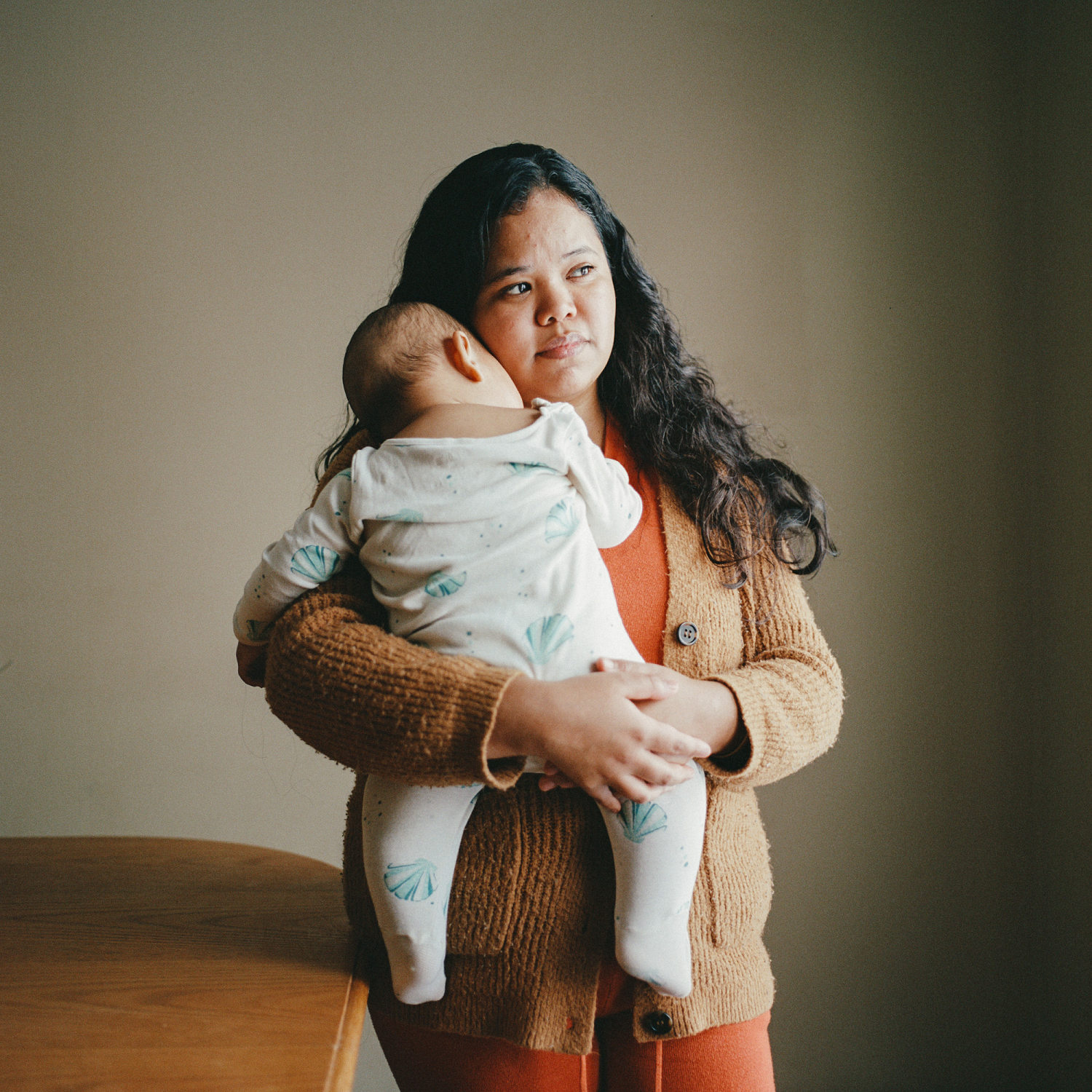
Maria Ibarra holding her daughter, Joy Mendoza, at her home in Lebanon, Ohio, on Jan. 27. Madeleine Hordinski for NBC News Women's Health When home births go wrong, hospitals can add to the complications Amid a rise in home births, mistrust between midwives and hospitals can put mothers and babies at risk. Share Add NBC News to Google Feb. 26, 2026, 5:30 AM EST By Aria Bendix Listen to this article with a free account 00:00 00:00 With each contraction, Maria Ibarra’s plan to deliver her daughter in her Ohio living room seemed less likely. The baby’s heart rate was slowing, her midwife said. They needed to go to the hospital right away. Ibarra’s midwife, Meghan Nowland, tried calling the labor and delivery unit at the closest hospital from the car but had trouble reaching anyone. When a charge nurse finally answered, Nowland identified herself as a midwife and asked if the hospital would be able to admit Ibarra, whose baby had a concerning heartbeat. But she was taken aback by the nurse’s response. “She was like, ‘We just won’t take walk-ins,’” Nowland said. Hospitals, by law, cannot turn away patients who show up in emergencies. But Nowland and nine other midwives interviewed said that situations like Ibarra’s arise far too often. A growing number of women in the U.S. are opting to give birth at home: More than 50,000 had planned home births in 2024 (the latest data available), a nearly 71% increase from 2016. But when issues arise during labor that require a transfer to a hospital, which happens in around 10% to 15% of home births , the process can be plagued with unnecessary challenges — a result of decades of distrust between midwives and doctors. It’s not uncommon, midwives said, to call a hospital’s labor and delivery unit when a patient needs a transfer, only for nurses or doctors to discourage them from coming or dismiss the information they relay. This forces stressful, split-second decisions with patients: Should they show up anyway at a hospital that is un...
Read full article at source