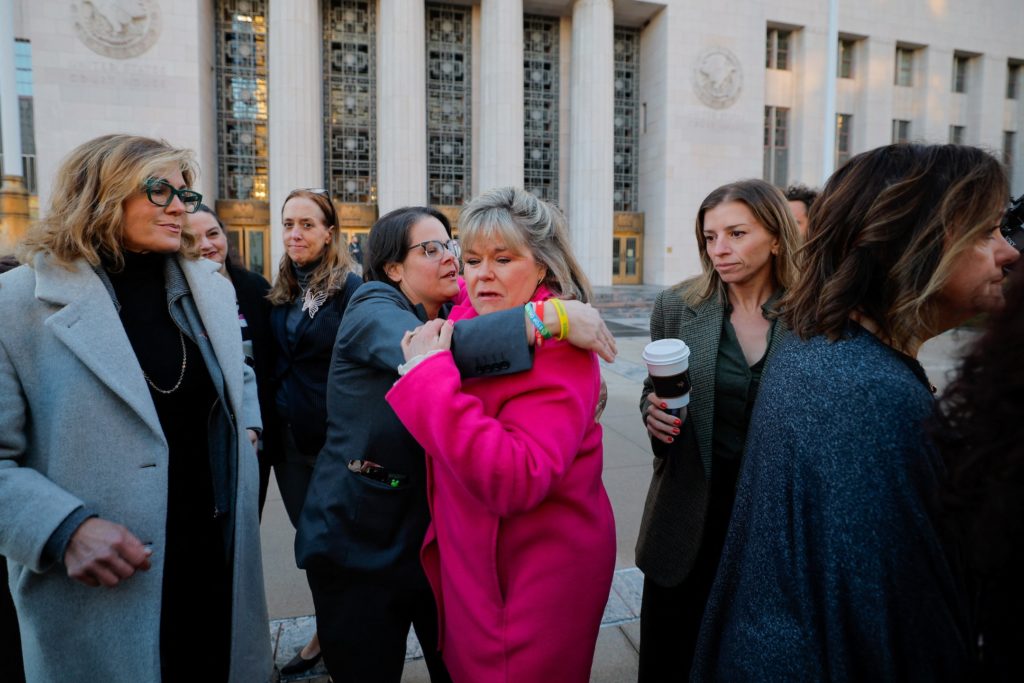
Zuckerberg testified in federal court defending Instagram against addiction allegations
This is the first time he's testified about child safety before a jury
YouTube is also included in the lawsuit, while TikTok and Snapchat settled before trial
The case centers on whether social media platforms deliberately design addictive features for young users
📖 Full Retelling
Meta CEO Mark Zuckerberg took the stand in federal court to defend Instagram against allegations that the platform was deliberately designed to be addictive to children and teens, marking the first time he has addressed child safety concerns before a jury. The landmark trial, which also includes YouTube as a defendant, comes amid growing concerns about social media's impact on young users' mental health, with TikTok and Snapchat having previously settled similar claims before the trial commenced. The testimony represents a critical moment in the ongoing legal battle between tech giants and regulators over the ethical design of digital platforms that billions of people, particularly young users, engage with daily.
The high-stakes legal battle represents a significant moment in the ongoing debate over tech companies' responsibility regarding youth protection on their platforms. Zuckerberg's testimony puts the spotlight on Instagram's features, such as infinite scrolling and notification systems, which critics argue exploit psychological vulnerabilities in young users. The case is being closely watched by industry observers, regulators, and parents alike, as it could set important precedents for how social media platforms are designed and regulated in the future.
Geoff Bennett's discussion with Bobby Allyn highlights the broader implications of this trial, which extends beyond the courtroom to potential changes in legislation and industry practices. The lawsuit argues that Meta knowingly created features that would hook young users, prioritizing engagement over well-being. If successful, the case could lead to substantial financial penalties and force significant changes to how social media platforms operate, potentially establishing new standards for digital safety that could impact billions of users worldwide.
🏷️ Themes
Social Media Regulation, Youth Protection, Tech Industry Accountability, Digital Addiction
Entity Intersection Graph
No entity connections available yet for this article.
Deep Analysis
Why It Matters
The trial marks the first time Mark Zuckerberg has testified before a jury about child safety on social media, highlighting growing scrutiny over how platforms design for younger users. It could set legal precedents and influence future regulations on digital addiction and data protection for minors.
Context & Background
Allegations that Instagram was deliberately engineered to be addictive to children and teens
The lawsuit also names YouTube, while TikTok and Snapchat settled before trial
Zuckerberg's testimony is the first federal court appearance on child safety by a platform CEO
What Happens Next
The case will proceed through trial, potentially leading to fines, policy changes, or a settlement. Outcomes may prompt tighter regulations on social media design and data handling for minors.
Frequently Asked Questions
What is the lawsuit about?
It accuses Instagram of being intentionally designed to be addictive to children and teens.
Which other platforms are involved?
YouTube is named in the lawsuit, while TikTok and Snapchat settled before the trial.
What could be the outcome?
Possible outcomes include fines, mandatory policy changes, or a settlement agreement.
When will the trial conclude?
The exact date is not announced, but it is expected to continue over the next few months.
}
Original Source
Mark Zuckerberg took the stand in federal court to defend Instagram against allegations that it was deliberately designed to be addictive to children and teens. It's the first time he's testifying about child safety in front of a jury. YouTube is also included in the lawsuit. TikTok and Snapchat chose to settle before the trial began. Geoff Bennett discussed the implications with Bobby Allyn.