

Argentina was the model of how to survive a dictatorship. Javier Milei is changing that | Jordana Timerman
📖 Full Retelling
📚 Related People & Topics

Javier Milei
President of Argentina since 2023
Javier Gerardo Milei (born 22 October 1970) is an Argentine politician and economist who has served as the 59th president of Argentina since 2023. Milei also served as a national deputy representing the City of Buenos Aires for the party La Libertad Avanza from 2021 until his resignation in 2023 due...
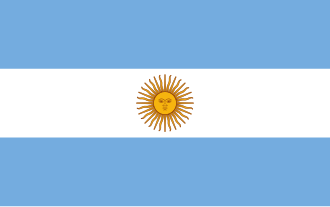
Argentina
Country in South America
Argentina, officially the Argentine Republic, is a country located in the southern cone of South America and with a claimed portion of Antarctica. It covers an area of 2,780,085 km2 (1,073,397 mi2), making it the second-largest country in South America after Brazil, the fourth-largest country in the...
Entity Intersection Graph
Connections for Javier Milei:
Mentioned Entities
Deep Analysis
Why It Matters
This article highlights a significant shift in Argentina's approach to its authoritarian past under President Javier Milei, which matters because it represents a departure from decades of consensus on human rights accountability. It affects victims of the dictatorship, human rights organizations, and Argentina's democratic institutions that have been built around memory and justice. The changes could reshape Argentina's national identity and international reputation as a leader in transitional justice. This development also has implications for democratic norms across Latin America, where Argentina's model has been influential.
Context & Background
- Argentina's 1976-1983 military dictatorship was responsible for the disappearance of an estimated 30,000 people in the 'Dirty War'.
- After the return to democracy, Argentina pioneered transitional justice mechanisms including the 1985 'Trial of the Juntas' and later annulment of amnesty laws.
- The country established institutions like the National Commission on the Disappearance of Persons and memory sites like ESMA, making it a global model.
- Previous governments across the political spectrum generally maintained consensus on human rights policies, despite economic disagreements.
- Javier Milei's election in 2023 marked a dramatic political shift with his libertarian platform challenging many established institutions.
What Happens Next
Human rights organizations will likely intensify protests and legal challenges to Milei's policies. International human rights bodies may issue reports or statements criticizing Argentina's changing approach. The 2025 midterm elections could serve as a referendum on Milei's human rights policies. Memory institutions like ESMA may face budget cuts or restructuring that could limit their operations.
Frequently Asked Questions
Milei has questioned the official number of dictatorship victims, criticized human rights organizations, and proposed restructuring memory institutions. His government has also signaled a shift in rhetoric, emphasizing reconciliation over accountability and questioning previous consensus on historical memory.
Argentina was praised for establishing truth commissions, prosecuting military leaders, preserving memory sites, and maintaining consistent human rights policies across different governments. The country's approach balanced justice with democratic stability, serving as an example for other nations transitioning from authoritarian rule.
Reactions are deeply polarized, with Milei's supporters viewing the changes as necessary corrections to what they see as politicized human rights discourse, while opponents see them as dangerous erosion of democratic safeguards. Human rights organizations and victims' families are organizing protests against the government's new direction.
Argentina's changing approach could weaken its leadership role in global human rights advocacy and affect its relationships with international organizations. Other Latin American countries dealing with authoritarian legacies may reconsider Argentina's model, potentially influencing regional approaches to transitional justice.
Milei's approach to human rights is consistent with his radical libertarian ideology that challenges established institutions across sectors. Some analysts suggest his government views human rights organizations as part of a 'political caste' obstructing his economic reforms, creating connections between his social and economic agendas.