
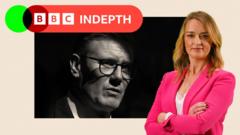
As Starmer faces war overseas, his party can't find peace at home
#Keir Starmer #Labour Party #internal divisions #foreign policy #political stability
📌 Key Takeaways
- Keir Starmer is managing international conflicts while dealing with internal party divisions.
- The Labour Party is experiencing significant internal discord under Starmer's leadership.
- Domestic political challenges are complicating Starmer's foreign policy efforts.
- The article highlights the tension between external crises and internal party stability.
🏷️ Themes
Political Leadership, Party Conflict
📚 Related People & Topics
Labour Party
Topics referred to by the same term
Labour Party or Labor Party is a name used by many political parties. These political parties are generally left-wing or centre-left, usually with nominal commitments to social democracy and/or democratic socialism.

Keir Starmer
Prime Minister of the United Kingdom since 2024
# Sir Keir Starmer **Sir Keir Rodney Starmer** (born 2 September 1962) is a British politician and lawyer serving as Prime Minister of the United Kingdom since July 2024. A member of the Labour Party, he has served as Leader of the Labour Party since 2020 and has been the Member of Parliament (MP) ...
Entity Intersection Graph
Connections for Labour Party:
Mentioned Entities
Deep Analysis
Why It Matters
This news highlights the dual challenges facing UK Prime Minister Keir Starmer, who must simultaneously manage international conflicts while dealing with internal party divisions. This matters because it could undermine the government's effectiveness in responding to crises like the Ukraine war or Middle East tensions. The situation affects UK foreign policy credibility, national security decision-making, and the Labour Party's ability to govern cohesively. If unresolved, these internal conflicts could weaken Britain's position on the global stage and erode public confidence in the government's leadership.
Context & Background
- Keir Starmer became UK Prime Minister in July 2024 after Labour's landslide election victory, ending 14 years of Conservative rule
- The Labour Party has historically experienced internal divisions between its left-wing and centrist factions, particularly over foreign policy and military interventions
- The UK has been a key supporter of Ukraine since Russia's 2022 invasion, committing military aid and diplomatic support
- Previous Labour governments under Tony Blair faced criticism over the Iraq War, creating lasting tensions within the party about military interventions
- The current Middle East conflict has exposed divisions within many Western political parties regarding their stance on Israel and Palestine
What Happens Next
Starmer will likely face increased pressure to reconcile party factions through internal negotiations and potential cabinet reshuffles in the coming months. The government may attempt to develop a unified foreign policy position ahead of key international summits in late 2024. Continued internal dissent could lead to parliamentary rebellions on foreign policy votes, testing Starmer's authority. The situation may escalate if high-profile resignations occur from ministers or shadow ministers who disagree with the government's approach to international conflicts.
Frequently Asked Questions
Starmer is primarily dealing with the ongoing war in Ukraine following Russia's invasion and escalating tensions in the Middle East, including the Israel-Hamas conflict. These situations require complex diplomatic and military decisions that have exposed divisions within his party about Britain's role and response.
The Labour Party contains diverse ideological factions with different views on military intervention, defense spending, and international alliances. Historical divisions dating back to the Iraq War and differing perspectives on conflicts like Israel-Palestine continue to create tensions between the party's left-wing and centrist members.
Internal party divisions could lead to inconsistent messaging, delayed decisions, or compromised positions in international negotiations. This might weaken Britain's influence with allies and adversaries alike, potentially affecting security cooperation, trade agreements, and diplomatic initiatives.
If Starmer cannot unify his party, he may face challenges to his authority, reduced parliamentary support for his policies, and damage to his public perception as a strong leader. This could affect his ability to implement domestic agenda items and maintain party discipline on all issues.
Yes, previous governments from both major parties have faced similar challenges. Tony Blair's Labour government experienced significant internal divisions over the Iraq War, while Theresa May's Conservative government struggled with party unity over Brexit negotiations, demonstrating how foreign policy can expose and exacerbate domestic political fractures.