
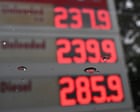
Australia’s major fuel suppliers being investigated over alleged price-gouging amid Iran war
#Australia #fuel suppliers #price-gouging #investigation #Iran war #consumer prices #regulatory scrutiny
📌 Key Takeaways
- Australian fuel suppliers are under investigation for alleged price-gouging.
- The investigation coincides with heightened tensions from the Iran war.
- Concerns focus on potential exploitation of global conflict to inflate prices.
- Regulatory scrutiny aims to ensure fair pricing for consumers.
📖 Full Retelling
🏷️ Themes
Price-gouging, Fuel industry, Regulatory investigation
📚 Related People & Topics

Australia
Country in Oceania
Australia, officially the Commonwealth of Australia, is a country comprising the mainland of the Australian continent, the island of Tasmania and numerous smaller islands. It has a total area of 7,688,287 km2 (2,968,464 sq mi), making it the sixth-largest country in the world and the largest in Ocea...
List of wars involving Iran
This is a list of wars involving the Islamic Republic of Iran and its predecessor states. It is an unfinished historical overview.
Entity Intersection Graph
Connections for Australia:
Mentioned Entities
Deep Analysis
Why It Matters
This investigation matters because fuel prices directly impact household budgets and business costs across Australia, affecting millions of consumers and the broader economy. If price-gouging is confirmed, it would represent exploitation of geopolitical tensions for corporate profit at public expense. The timing during the Iran war raises concerns about whether companies are using international conflicts as cover for anti-competitive behavior, potentially undermining trust in essential service providers.
Context & Background
- Australia has historically experienced fuel price volatility tied to global oil markets and geopolitical events
- The country's fuel market is dominated by a small number of major suppliers including BP, Shell, Caltex, and ExxonMobil
- Previous ACCC investigations have found evidence of 'price cycles' where retailers coordinate timing of price increases
- Australia imports about 90% of its liquid fuel needs, making it vulnerable to international supply disruptions
What Happens Next
The ACCC will likely complete its investigation within 3-6 months, potentially leading to formal charges if evidence supports allegations. If violations are found, suppliers could face substantial fines under competition law and may be required to implement pricing transparency measures. Consumer advocacy groups will probably intensify calls for stronger fuel price regulation, while the government may consider emergency powers to cap prices during future geopolitical crises.
Frequently Asked Questions
Price-gouging involves unreasonably raising prices during emergencies or market disruptions to exploit consumers. It's illegal because it takes unfair advantage of vulnerable situations and violates consumer protection laws that prohibit unconscionable conduct in business.
The Iran war threatens global oil supplies as Iran is a major oil producer and the Strait of Hormuz is a critical shipping route. Any disruption causes immediate price spikes in international markets that typically flow through to Australian consumers within days.
While not named in this report, Australia's major fuel suppliers typically include BP Australia, Shell Australia, Caltex (now Ampol), ExxonMobil, and Viva Energy. The ACCC investigation would likely focus on these market leaders.
The ACCC can compel documents, conduct interviews, and gather evidence under the Competition and Consumer Act. If violations are found, they can pursue court actions with penalties up to $50 million or three times the benefit gained from misconduct.
Consumers can compare prices using apps like FuelCheck or PetrolSpy, monitor regular price cycles in their area, and watch for unusually large price jumps that don't correspond to international oil price movements.