
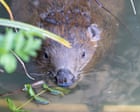
Beavers ‘breathe new life’ into Dorset as dams built and biodiversity returns
📖 Full Retelling
📚 Related People & Topics

Dorset
County of England
Dorset ( DOR-sit; archaically: Dorsetshire DOR-sit-sheer, -shər) is a ceremonial county in South West England. It is bordered by Somerset to the north-west, Wiltshire to the north and the north-east, Hampshire to the east, the Isle of Wight across the Solent to the south-east, the English Channel ...
Entity Intersection Graph
Connections for Dorset:
Mentioned Entities
Deep Analysis
Why It Matters
This news matters because it demonstrates how reintroducing keystone species like beavers can rapidly restore degraded ecosystems and enhance biodiversity. It affects local communities by potentially reducing flood risks through natural water management while benefiting farmers and conservationists through improved soil health and habitat creation. The success in Dorset provides a model for similar rewilding projects across the UK, influencing environmental policy and land management practices nationwide.
Context & Background
- Beavers were hunted to extinction in Britain during the 16th century for their fur, meat, and scent glands
- The Eurasian beaver (Castor fiber) was first officially reintroduced to Scotland in 2009 after a 400-year absence
- Previous reintroduction trials in Devon and other UK locations have shown beavers can reduce flooding, improve water quality, and create wetland habitats
- Dorset's project is part of a growing rewilding movement in the UK that seeks to restore natural processes and boost biodiversity
What Happens Next
Monitoring will continue to assess the long-term ecological impacts, with potential expansion of beaver territories in Dorset. The success may lead to more official reintroduction licenses from Natural England and influence the UK government's upcoming Species Reintroduction Task Force recommendations. Local communities will likely see increased eco-tourism opportunities as beaver activity becomes a conservation attraction.
Frequently Asked Questions
Beavers dramatically alter their environment by building dams and creating wetlands, which support diverse plant and animal life. Their engineering activities increase habitat complexity, benefiting species from insects to birds and amphibians that rely on wetland ecosystems.
While beaver activity can sometimes flood agricultural land or roads, managed reintroduction programs include mitigation strategies like flow devices. Many projects show beavers actually reduce downstream flooding by slowing water flow during heavy rainfall.
Beavers can begin building dams within days of arrival and create substantial wetland habitats within a single season. Their rapid engineering makes them particularly effective for quick ecosystem restoration compared to slower natural processes.
Beavers received protected status in England in 2022, making it illegal to kill, injure, or capture them without a license. This legal protection has encouraged more structured reintroduction programs with proper monitoring and community engagement.
Beaver-created wetlands support otters, water voles, dragonflies, frogs, and numerous bird species including kingfishers and herons. The diverse habitats also benefit plants that thrive in wet conditions, increasing overall biodiversity.