
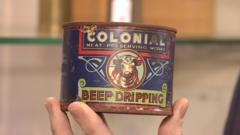
Beef dripping from first Everest summit auctioned
#Everest #beef dripping #auction #1953 expedition #mountaineering #memorabilia #Himalayas
📌 Key Takeaways
- Beef dripping from the first Everest summit was auctioned.
- The item is historically significant due to its connection to the 1953 expedition.
- The auction highlights the market for mountaineering memorabilia.
- The sale underscores the enduring legacy of early Himalayan exploration.
🏷️ Themes
Mountaineering History, Memorabilia Auction
📚 Related People & Topics

Himalayas
Mountain range in Asia
The Himalayas, or Himalaya, is a mountain range in Asia separating the plains of the Indian subcontinent from the Tibetan Plateau. The range has some of the Earth's highest peaks, including the highest, Mount Everest. More than 100 peaks exceeding elevations of 7,200 metres (23,600 feet) above sea l...

Mount Everest
Earth's highest mountain
Mount Everest (known locally as Sagarmāthā in Nepal and Qomolangma in Tibet) is Earth's highest mountain above sea level. It lies in the Mahalangur Himal sub-range of the Himalayas and marks part of the China–Nepal border at its summit. Its height was most recently measured in 2020 by Chinese and Ne...
Entity Intersection Graph
No entity connections available yet for this article.
Mentioned Entities
Deep Analysis
Why It Matters
This news matters because it represents the commodification of historical mountaineering artifacts, connecting modern collectors with one of humanity's greatest exploration achievements. It affects historians, mountaineering enthusiasts, auction houses, and collectors who value tangible connections to historic events. The sale highlights how physical remnants from iconic moments gain cultural and financial value over time, creating new markets for exploration memorabilia.
Context & Background
- Sir Edmund Hillary and Tenzing Norgay became the first confirmed climbers to reach Everest's summit on May 29, 1953
- Beef dripping was a common high-energy food carried by early mountaineering expeditions for its calorie density and resistance to freezing
- Historic climbing artifacts have become increasingly valuable, with items from early Everest expeditions regularly fetching high prices at auction
- The 1953 British expedition was led by John Hunt and was the ninth British attempt to climb Everest since 1921
What Happens Next
The auction results will likely influence pricing for future sales of mountaineering artifacts. Similar items from the 1953 expedition may come to market as collectors and institutions reassess their holdings. Mountaineering museums may increase efforts to acquire such artifacts before they enter private collections. The publicity could inspire authentication and sale of other previously unknown expedition remnants.
Frequently Asked Questions
Beef dripping is rendered beef fat that solidifies at room temperature. It was used on early Everest expeditions because it provided concentrated calories, didn't freeze easily at high altitudes, and could be added to various foods to increase energy content for climbers facing extreme physical demands.
The beef dripping was likely kept in its original container and stored in controlled conditions. Such expedition supplies were often kept as souvenirs by climbers or their families, with the extreme cold of high altitude initially helping preserve the material before it entered private collections.
Collectors of mountaineering memorabilia, museums specializing in exploration history, and institutions connected to Himalayan climbing would be primary buyers. Some purchasers might be investors in historical artifacts, while others could be individuals with personal connections to mountaineering history.
This sale is unusual because it involves a consumable item rather than equipment or documents. While climbing gear and expedition records regularly appear at auction, food items from historic climbs are rarer and present unique preservation challenges, potentially making them more valuable to specialized collectors.