
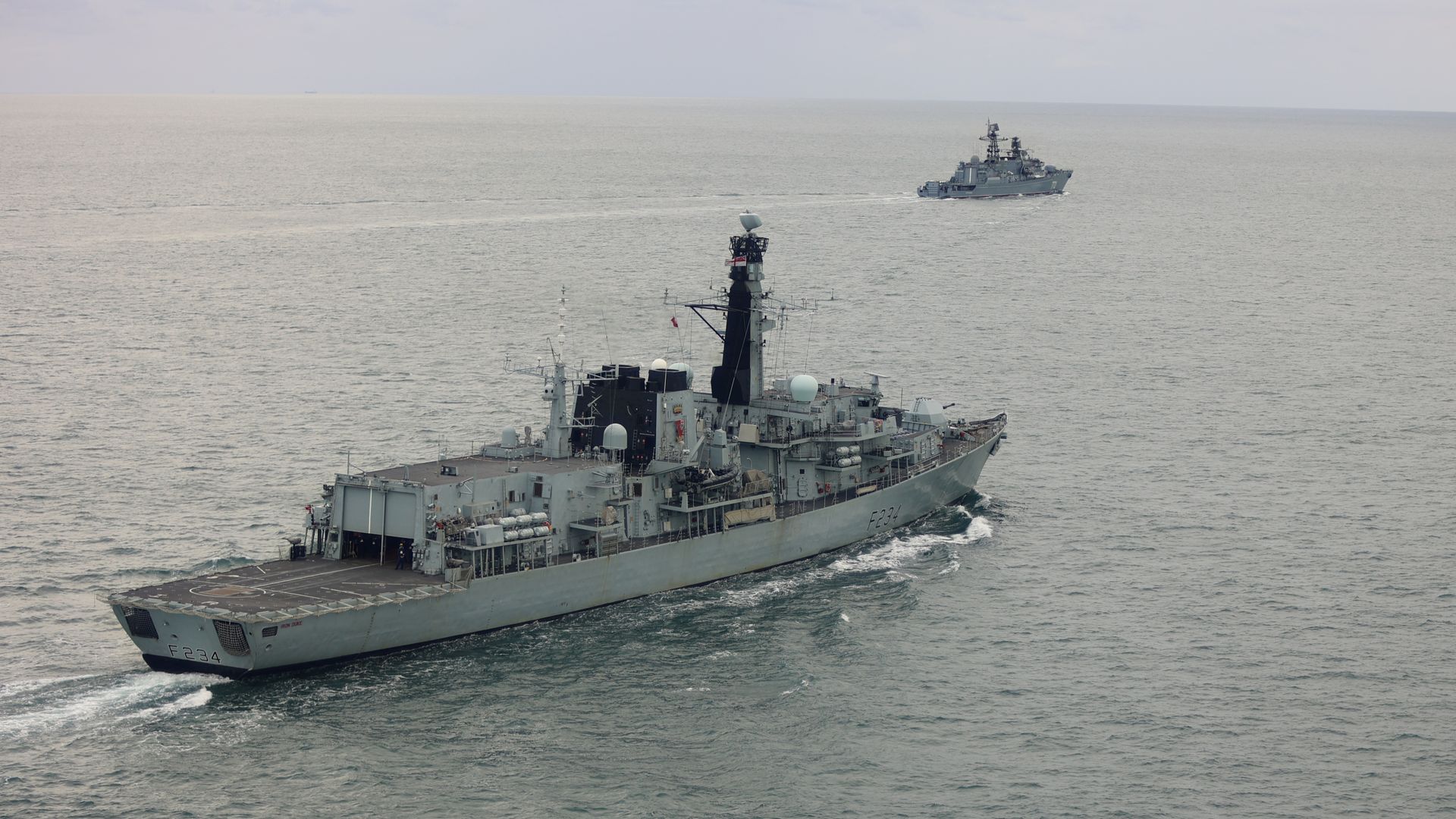
British forces cleared to board Russian 'shadow fleet' ships
#Royal Navy #shadow fleet #Russian oil #sanctions evasion #price cap #boarding operations #G7 sanctions
📌 Key Takeaways
- UK authorizes Royal Navy to board Russian 'shadow fleet' vessels suspected of sanctions evasion.
- Action targets ships transporting Russian oil above G7 price caps using deceptive practices.
- Boarding operations aim to enforce sanctions and disrupt illicit oil trade funding Russia's war efforts.
- Move signals increased Western maritime enforcement against Russia's sanctions circumvention tactics.
🏷️ Themes
Sanctions Enforcement, Maritime Security
📚 Related People & Topics

Petroleum industry in Russia
One of the largest in the world
The petroleum or oil industry in Russia is one of the largest in the world. Russia has the largest reserves and was the largest exporter of natural gas. It has the sixth largest oil reserves, and is one of the largest producers of oil.

Royal Navy
Naval warfare force of the United Kingdom
The Royal Navy (RN) is the naval warfare force of the United Kingdom, responsible for defending the UK, the Crown Dependencies, and the Overseas Territories from naval attack or invasion. It is a component of His Majesty's Naval Service, and its officers hold their commissions from the King. Althoug...
Entity Intersection Graph
Connections for Petroleum industry in Russia:
Mentioned Entities
Deep Analysis
Why It Matters
This development matters because it represents a significant escalation in Western efforts to enforce sanctions against Russia's oil exports, directly impacting global energy markets and Russia's wartime funding. It affects European security forces, international shipping companies, and countries dependent on Russian oil who may face supply disruptions. The authorization signals stronger NATO resolve to target Russia's economic lifelines while raising risks of maritime confrontations that could spill into broader conflicts.
Context & Background
- Russia has developed a 'shadow fleet' of aging tankers to circumvent Western oil price caps and sanctions imposed after its 2022 invasion of Ukraine
- The G7 price cap mechanism allows Western services (insurance, shipping) only for Russian oil sold below $60/barrel, prompting Russia to create alternative shipping networks
- British Royal Navy and UK Border Force have previously conducted limited interdictions but lacked broad authority for systematic boarding operations
- The shadow fleet consists of 600+ vessels, many with questionable safety standards and opaque ownership structures through third countries
What Happens Next
British naval vessels will likely begin targeted boardings in the North Sea and English Channel within weeks, focusing on vessels with suspicious transponder data or heading to/from Russian ports. Russia may respond with diplomatic protests, reciprocal inspections of British-affiliated ships, or increased naval escorts for its tankers. The EU will probably coordinate similar authorities for member states' coast guards by late 2024.
Frequently Asked Questions
The UK likely invoked UNCLOS provisions allowing inspection of vessels suspected of sanctions evasion in territorial waters, combined with new domestic regulations under the Economic Crime Act. Boardings in international waters would require flag state consent or evidence of maritime violations.
Immediate price spikes are unlikely unless multiple tankers are detained simultaneously. However, increased shipping costs and insurance premiums for Russian oil could gradually tighten global supply, potentially adding $3-5/barrel to benchmark prices over several months.
Primary risks include accidental escalation if Russian naval forces intervene, environmental disasters from damaging aging tankers during inspections, and retaliatory cyberattacks on British port infrastructure. There's also legal uncertainty about jurisdiction over third-flag vessels.
Western intelligence likely confirmed the fleet's growing effectiveness at bypassing price caps, with Russian oil revenues reaching $15 billion monthly. The timing also pressures Russia ahead of Ukraine's spring offensive and demonstrates UK leadership after recent sanctions enforcement criticisms.
Vessels registered in Liberia, Panama, and Gabon carrying Russian oil are primary targets, along with older Greek-managed tankers. Ships from China and India may face scrutiny if transporting Russian oil above price caps, though diplomatic sensitivities may limit initial inspections.