
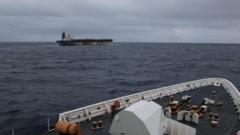
British forces preparing to board Russian shadow fleet ships in UK waters
#British forces #Russian shadow fleet #UK waters #boarding #sanctions #maritime enforcement #Russia
📌 Key Takeaways
- British forces are preparing to board Russian shadow fleet ships in UK waters.
- The action targets vessels suspected of evading sanctions or engaging in illicit activities.
- This move signals a significant escalation in maritime enforcement against Russia.
- It reflects heightened UK-Russia tensions and efforts to enforce international sanctions.
📖 Full Retelling
🏷️ Themes
Maritime Security, International Sanctions
📚 Related People & Topics

Russia
Country in Eastern Europe and North Asia
Russia, or the Russian Federation, is a country in Eastern Europe and North Asia. It is the largest country in the world, spanning eleven time zones and sharing land borders with fourteen countries. With a population of over 140 million, Russia is the most populous country in Europe and the ninth-mo...

Russian shadow fleet
Russian vessels evading sanctions
The Russian shadow fleet is a clandestine network of hundreds of vessels operated by Russia to evade sanctions, following the enactment of 2022 Russian crude oil price cap sanctions by the G7 countries and European Union (EU), in response to the 2022 Russian invasion of Ukraine.

British Armed Forces
Combined military forces of the United Kingdom
The British Armed Forces are the unified military forces responsible for the defence of the United Kingdom, its Overseas Territories and the Crown Dependencies. They also promote the UK's wider interests, support international peacekeeping efforts and provide humanitarian aid. The force is known as ...
Entity Intersection Graph
Connections for Russia:
Mentioned Entities
Deep Analysis
Why It Matters
This development matters because it represents a significant escalation in maritime enforcement against Russia's sanctions-evasion tactics, directly affecting global energy markets and international shipping security. It impacts European energy security by targeting the shadow fleet that transports Russian oil despite Western sanctions, potentially disrupting supply chains. The move also affects UK-Russia relations and sets a precedent for other NATO nations to take similar enforcement actions in their waters.
Context & Background
- The 'shadow fleet' refers to aging tankers operating outside Western insurance and tracking systems to transport Russian oil despite sanctions imposed after the 2022 Ukraine invasion.
- The UK has previously seized Russian-owned assets and imposed sanctions, but physical boarding of vessels represents a more direct enforcement action.
- Russia has been using these shadow fleet vessels to bypass the G7's $60-per-barrel price cap on Russian oil exports, costing Western nations billions in lost leverage.
What Happens Next
Expect increased naval patrols and potential confrontations in UK waters within weeks, possibly leading to vessel seizures and diplomatic protests from Moscow. The UK may coordinate with EU partners to expand these enforcement actions across European waters. Russia will likely respond with countermeasures, potentially targeting British commercial shipping or diplomatic expulsions.
Frequently Asked Questions
Russia's shadow fleet consists of older tankers operating without Western insurance or proper tracking to transport Russian oil while evading international sanctions. These vessels often use opaque ownership structures and frequently turn off transponders to avoid detection.
The UK is escalating enforcement as previous sanctions have failed to significantly reduce Russian oil revenues. With the Ukraine war continuing, Western nations are seeking more direct methods to enforce the price cap and limit Russia's war funding.
While unlikely to trigger direct military conflict, boarding operations carry risks of resistance from crew or Russian naval interference. Such incidents could escalate into diplomatic crises or limited maritime standoffs in contested waters.
If successful, these operations could temporarily disrupt Russian oil flows, potentially tightening global supply and increasing price volatility. However, Russia may quickly reroute shipments through alternative channels, limiting long-term price impacts.