
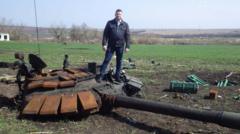
Can Ukraine's war-torn wheatfields be cleansed?
#Ukraine #wheatfields #decontamination #war #agriculture #food security #explosives
📌 Key Takeaways
- Ukraine's wheatfields are contaminated due to war activities.
- Decontamination efforts are being considered to restore agricultural land.
- The process involves removing explosives and hazardous materials.
- Success is crucial for food security and economic recovery.
🏷️ Themes
Agriculture, Conflict
📚 Related People & Topics

Ukraine
Country in Eastern Europe
# Ukraine **Ukraine** is a country located in Eastern Europe. It is the second-largest country in Europe by area, after Russia. Known for its extensive fertile plains, the nation serves as a critical global exporter of grain and is considered a middle power in international affairs. ## Geography a...
Entity Intersection Graph
Connections for Ukraine:
Mentioned Entities
Deep Analysis
Why It Matters
This news matters because Ukraine is one of the world's largest wheat exporters, and contamination of its agricultural land threatens global food security, particularly for developing nations that depend on Ukrainian grain. The environmental damage affects Ukrainian farmers' livelihoods and could have long-term health consequences for local populations. The cleanup process will require significant international cooperation and funding, making this both an economic and humanitarian issue with geopolitical implications.
Context & Background
- Ukraine is often called the 'breadbasket of Europe' and was the world's 5th largest wheat exporter before the 2022 invasion
- The war has left agricultural lands contaminated with unexploded ordnance, heavy metals from munitions, and chemical pollutants
- Previous conflicts like World War I and the Vietnam War left agricultural lands unusable for decades due to similar contamination
- Ukraine's agricultural sector contributed approximately 10% to the country's GDP before the war
- The Black Sea Grain Initiative (2022-2023) helped export Ukrainian grain despite wartime conditions, highlighting the global importance of this production
What Happens Next
International organizations like the FAO and UNDP will likely coordinate assessment missions to map contaminated areas in spring 2024. Demining operations will continue with support from NATO countries, but full agricultural restoration may take 5-10 years. Ukraine will seek additional funding at upcoming EU and UN conferences for environmental rehabilitation, while scientists will monitor soil and crop safety as farming gradually resumes in safer regions.
Frequently Asked Questions
Fields are contaminated with unexploded artillery shells, landmines, heavy metals from munitions, and possible chemical residues from destroyed military equipment. This creates both immediate physical dangers and long-term soil toxicity issues that affect crop safety.
Reduced Ukrainian wheat production contributes to global supply constraints, potentially increasing bread and pasta prices worldwide. Developing countries in Africa and the Middle East that rely on Ukrainian grain face particular food security challenges.
Yes, but restoration requires demining, soil testing, and remediation techniques like phytoremediation or soil replacement. The process is expensive and time-consuming, with some areas potentially unusable for years.
Cleanup costs will likely be shared between Ukraine's government, international donors, EU recovery funds, and potentially war reparations from Russia. Organizations like the World Bank and European Investment Bank are discussing financing mechanisms.
Authorities conduct safety testing, but contamination risks vary by region. Some areas near former battlefields show elevated heavy metal levels, requiring ongoing monitoring to ensure food safety standards are met.