
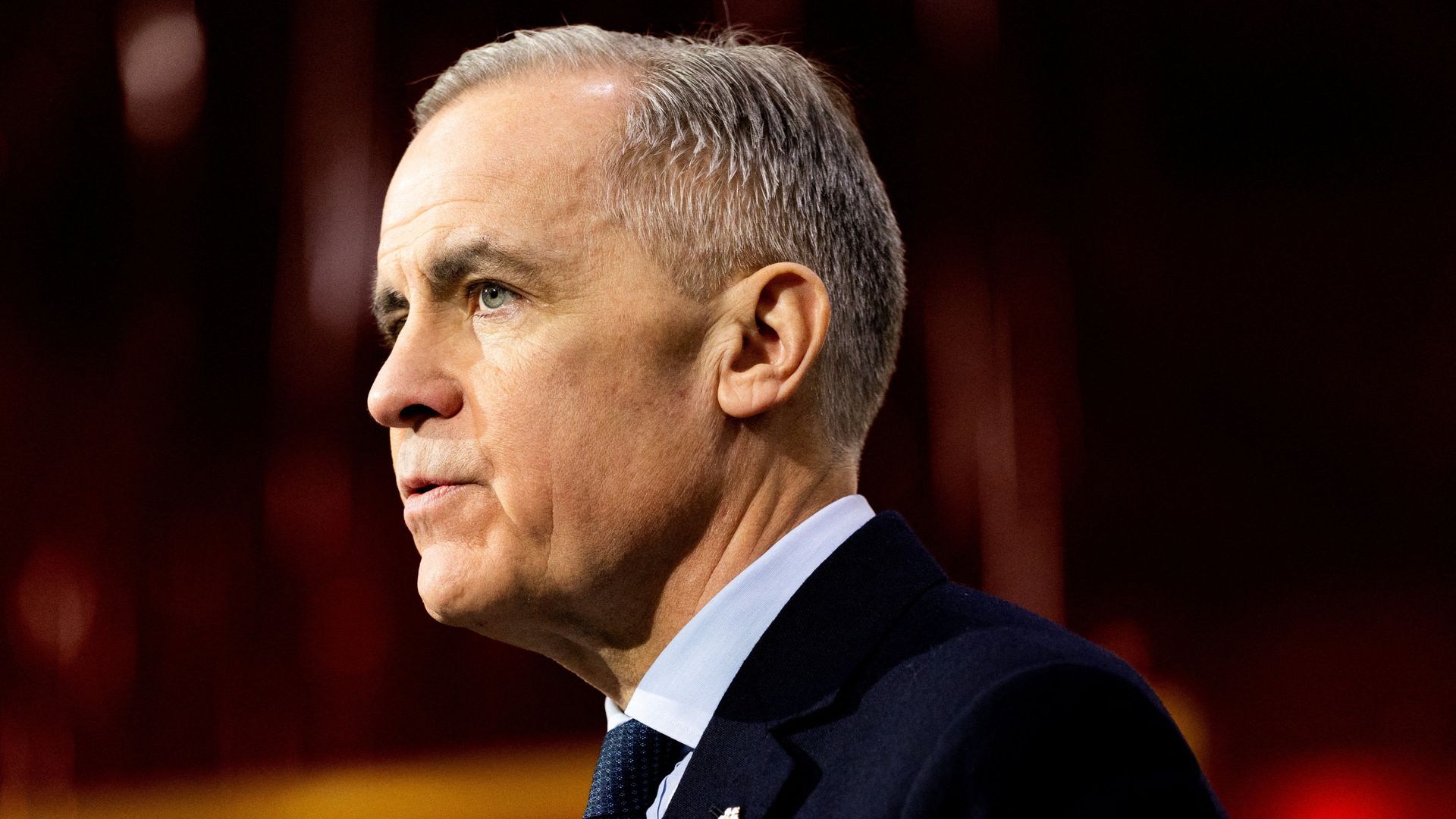
Canadian prime minister backs Andrew's removal from line of succession
#Prince Andrew #line of succession #Canadian Prime Minister #royal family #controversy #monarchy #political pressure
📌 Key Takeaways
- Canadian Prime Minister supports removing Prince Andrew from the royal line of succession.
- The move follows controversies and legal issues surrounding Prince Andrew.
- It reflects growing public and political pressure on the monarchy.
- The decision could influence future royal succession protocols.
📖 Full Retelling
🏷️ Themes
Royal Controversy, Political Influence
📚 Related People & Topics

Andrew Mountbatten-Windsor
Son of Elizabeth II (born 1960)
Andrew Albert Christian Edward Mountbatten-Windsor (born 19 February 1960), formerly Prince Andrew, Duke of York, is a member of the House of Windsor and the third child and second son of Queen Elizabeth II and Prince Philip, Duke of Edinburgh, and a younger brother of King Charles III. Andrew was b...

Prime Minister of Canada
Head of government of Canada
The prime minister of Canada is the head of government of Canada. Under the Westminster system, the prime minister governs with the confidence of a majority of the elected House of Commons; as such, the prime minister typically sits as a member of Parliament (MP) and leads the largest party or a coa...
Entity Intersection Graph
Connections for Andrew Mountbatten-Windsor:
Mentioned Entities
Deep Analysis
Why It Matters
This news matters because it involves a constitutional monarchy issue affecting Canada's relationship with the British Crown. Prime Minister Trudeau's position signals Canada's stance on royal family controversies and could influence other Commonwealth realms. It affects Canadian constitutional arrangements, royal succession protocols, and public perception of the monarchy's role in modern governance. The statement carries diplomatic weight as Canada navigates its historical ties to the British monarchy while addressing contemporary ethical concerns.
Context & Background
- Prince Andrew stepped back from royal duties in 2019 following controversy over his association with Jeffrey Epstein
- The line of succession determines who becomes monarch of Canada and other Commonwealth realms
- Canada's Constitution Act 1982 requires unanimous provincial consent for changes to the office of the Queen
- Previous royal controversies have sparked debates about Canada's continued monarchy ties
- The British Parliament's Succession to the Crown Act 2013 modernized succession rules but didn't address removal mechanisms
What Happens Next
The UK government will likely face increased pressure to formally address Prince Andrew's status in succession. Commonwealth realm consultations may occur regarding potential constitutional changes. The issue could resurface during future royal events or if new developments emerge in related legal matters. No immediate changes are expected as removal would require complex international agreements.
Frequently Asked Questions
No, Canada cannot act alone. Changes to royal succession require agreement among all Commonwealth realms that share the monarch, as established in the 2011 Perth Agreement. This would involve coordinated legislation across multiple countries including the UK, Australia, and New Zealand.
Removing Prince Andrew would require amending Canada's Constitution Act 1982 regarding the office of the Queen, needing unanimous consent from Parliament and all provincial legislatures. Internationally, all 15 Commonwealth realms would need to pass identical legislation, making it extremely complex.
Yes, historically through abdications like Edward VIII in 1936, and through parliamentary acts excluding Catholic heirs before 2013. However, no living royal has been removed for misconduct without abdicating, creating unprecedented constitutional questions.
Canada maintains constitutional monarchy as its system of government, with the British monarch as head of state. This dates to colonial history and was preserved at Confederation. Changing this would require extremely difficult constitutional amendments with unanimous provincial consent.
Prime Minister Trudeau's statement is symbolic without immediate legal effect. Prince Andrew remains in the line of succession but has no royal duties or patronages. His position remains controversial but unchanged unless all Commonwealth realms agree to formal removal.