
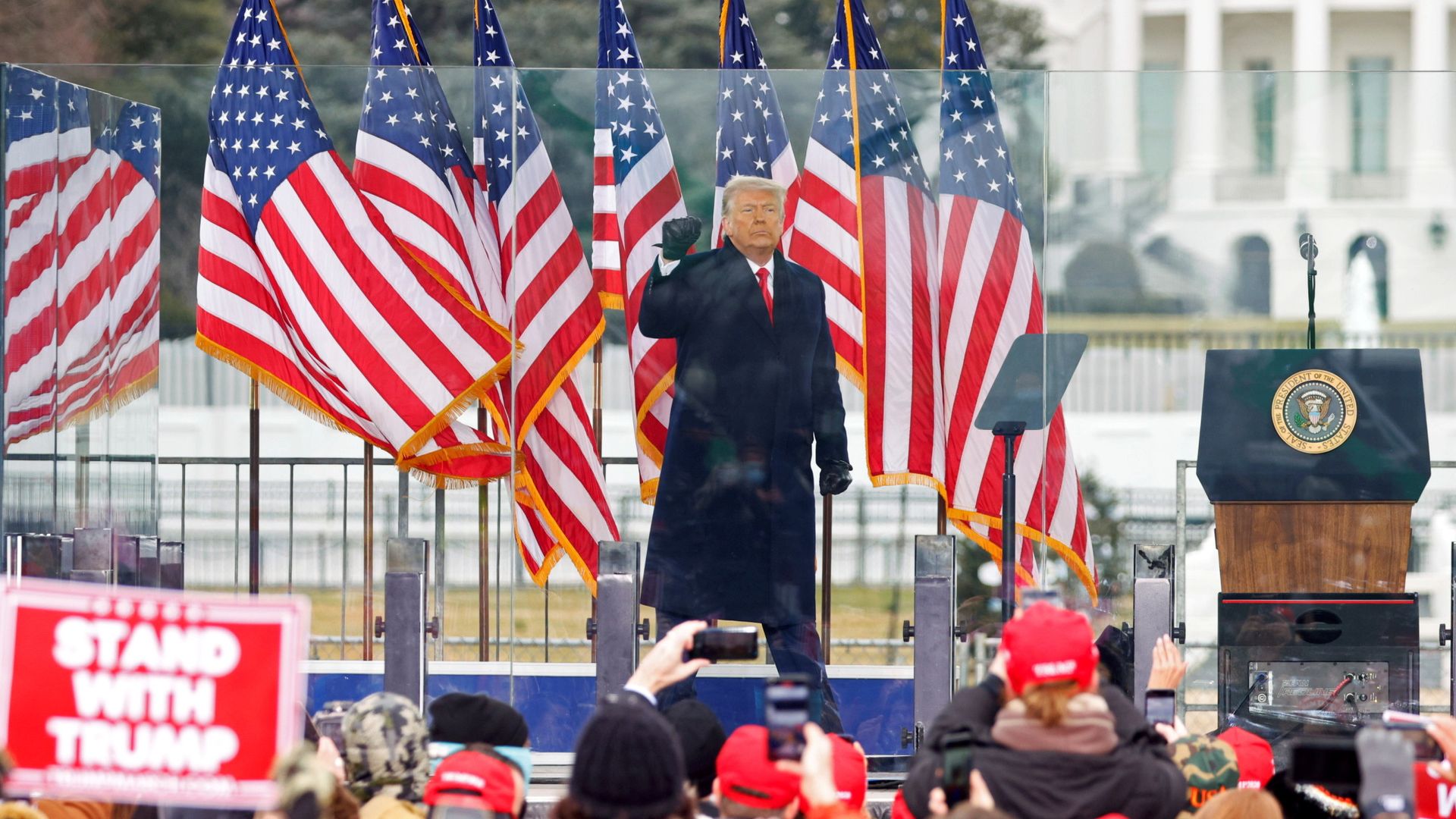
'Chilling' $10bn Trump lawsuit should be thrown out, BBC says
#Trump #BBC #lawsuit #press freedom #legal action #media #dismissal #intimidation
📌 Key Takeaways
- BBC argues a $10 billion lawsuit filed by Donald Trump should be dismissed as baseless.
- The broadcaster describes the legal action as 'chilling' for its potential impact on press freedom.
- The lawsuit is seen as an attempt to intimidate media organizations over critical coverage.
- The case highlights ongoing tensions between Trump and major news outlets.
📖 Full Retelling
🏷️ Themes
Legal, Media Freedom
📚 Related People & Topics
BBC
British public service broadcaster
# British Broadcasting Corporation (BBC) The **British Broadcasting Corporation (BBC)** is the national broadcaster of the United Kingdom. Headquartered at **Broadcasting House** in London, it holds the distinction of being the world's oldest national broadcasting organization and the largest broad...

Donald Trump
President of the United States (2017–2021; since 2025)
Donald John Trump (born June 14, 1946) is an American politician, media personality, and businessman who is the 47th president of the United States. A member of the Republican Party, he served as the 45th president from 2017 to 2021. Born into a wealthy New York City family, Trump graduated from the...
Entity Intersection Graph
Connections for BBC:
Mentioned Entities
Deep Analysis
Why It Matters
This lawsuit represents a significant escalation in legal battles between political figures and media organizations, potentially setting precedents for press freedom and defamation standards. It affects journalists, media companies, and political figures worldwide by testing the boundaries of legal recourse against critical reporting. The outcome could influence how news organizations cover controversial political figures and whether billion-dollar lawsuits become a common intimidation tactic. This case also highlights the global reach of U.S. legal actions, as it involves a British broadcaster facing litigation from an American political figure.
Context & Background
- Donald Trump has filed multiple defamation lawsuits against media organizations throughout his political career, including cases against CNN, The New York Times, and Washington Post.
- The BBC has faced previous legal challenges from political figures, but this $10 billion lawsuit represents one of the largest financial claims against a media organization in recent history.
- Trump's legal strategy often involves using lawsuits as political tools, with many previous cases being dismissed or settled out of court without reaching trial verdicts.
- International media organizations operating in the U.S. must navigate both American defamation laws and their home countries' legal standards when facing litigation.
- The 'actual malice' standard established in New York Times v. Sullivan (1964) provides strong protections for U.S. media against defamation claims by public figures.
What Happens Next
The BBC will likely file a motion to dismiss the lawsuit in the coming weeks, arguing it fails to meet legal standards for defamation. Legal experts expect the case to face multiple procedural hurdles before potentially reaching discovery phase in 6-12 months. If not dismissed early, the lawsuit could proceed through the U.S. court system for several years, with possible appeals regardless of the initial ruling. Media organizations worldwide will be monitoring the case closely as it develops through 2024-2025.
Frequently Asked Questions
As a public figure, Trump must prove the BBC acted with 'actual malice'—meaning they knowingly published false information or acted with reckless disregard for the truth. He must also demonstrate specific false statements caused measurable damages, which is particularly challenging given the $10 billion claim requires showing extraordinary harm.
The BBC likely uses 'chilling' to describe the lawsuit's potential effect on press freedom, suggesting such massive financial claims could intimidate media organizations from critical reporting. They're arguing that even unsuccessful lawsuits can burden news organizations with legal costs and create self-censorship concerns among journalists covering powerful figures.
The case could establish important precedents for how foreign media organizations are treated in U.S. courts, particularly regarding jurisdictional questions and application of American defamation standards. A ruling against the BBC might encourage more lawsuits against international media, while a dismissal could reinforce protections for global press operating in the U.S. market.
The most probable outcome is dismissal at an early stage, as most defamation cases against media by public figures fail to meet the 'actual malice' standard. Alternatively, the case could be significantly narrowed in scope or settled out of court, though the BBC has strong incentives to fight what they see as a threat to press freedom principles.
This lawsuit is notable for its unprecedented $10 billion claim amount, targeting an international broadcaster rather than domestic U.S. media. While Trump has filed numerous media lawsuits, this represents one of his largest financial demands and involves unique cross-jurisdictional elements given the BBC's status as a British public service broadcaster.