
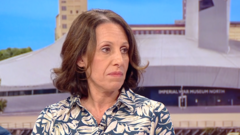
Co-op boss quits after 'toxic culture' claims reported by BBC
#Co-op #Steve Murrells #toxic culture #BBC #resignation #bullying #harassment #workplace
📌 Key Takeaways
- Co-op Group CEO Steve Murrells has resigned following allegations of a toxic workplace culture.
- The BBC reported claims of bullying and harassment within the organization.
- Murrells' departure is immediate, with a search for a permanent successor underway.
- The Co-op stated it takes the allegations seriously and is committed to improving its culture.
📖 Full Retelling
🏷️ Themes
Leadership Change, Workplace Culture
📚 Related People & Topics

BBC
British public service broadcaster
# British Broadcasting Corporation (BBC) The **British Broadcasting Corporation (BBC)** is the national broadcaster of the United Kingdom. Headquartered at **Broadcasting House** in London, it holds the distinction of being the world's oldest national broadcasting organization and the largest broad...
Steve Murrells
British businessman (born 1965)
Steven Geoffrey Murrells, (born 3 August 1965) is a British businessman, the former chief executive of The Co-operative Group.
Entity Intersection Graph
Connections for BBC:
Mentioned Entities
Deep Analysis
Why It Matters
This news matters because it highlights serious workplace culture issues at a major UK retailer that could affect employee wellbeing and consumer trust. The Co-op's reputation as an ethical business is at stake, potentially impacting its 2,500 stores and 57,000 employees. The situation may also influence how other organizations handle internal culture complaints and media scrutiny of corporate leadership.
Context & Background
- The Co-operative Group is a major UK consumer co-operative with historical roots dating back to 1844
- The organization has faced previous leadership crises, including a 2013 financial scandal involving its banking arm
- The BBC has been investigating workplace culture issues across multiple UK companies in recent years
- The Co-op positions itself as an ethical alternative to traditional retailers with member-ownership structure
What Happens Next
The Co-op will likely appoint an interim CEO while searching for permanent leadership. An independent investigation into the culture allegations is probable, with results expected within 2-3 months. The organization may implement new workplace policies and training programs to address toxicity concerns. Regulatory bodies might review the situation if employment law violations are substantiated.
Frequently Asked Questions
While the article doesn't specify details, 'toxic culture' claims typically involve bullying, harassment, discrimination, or poor management practices that create hostile work environments. Such allegations often surface through employee complaints or whistleblower reports to media outlets.
Customers may reconsider shopping at Co-op if they perceive ethical violations, potentially impacting sales. Members who own the cooperative through shares might demand governance reforms and greater transparency about workplace conditions during annual meetings.
If investigations substantiate harassment or discrimination claims, the Co-op could face employment tribunal cases, financial penalties, and mandated policy changes. Senior leaders might be personally liable if they knowingly permitted unlawful workplace practices.
Several major UK retailers have faced similar allegations in recent years, with some resulting in leadership changes and compensation payments. The sector's high-pressure environment and hierarchical structures sometimes contribute to these problems.
Current employees should follow internal grievance procedures while documenting incidents. They can contact ACAS (Advisory, Conciliation and Arbitration Service) for free advice or consider joining a union like USDAW for representation and support.