
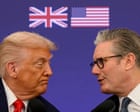
‘Could be the making of him’: Starmer’s allies praise stance on Trump and Iran
#Keir Starmer #Donald Trump #Iran #foreign policy #political allies #diplomatic stance #leadership development
📌 Key Takeaways
- Keir Starmer's allies commend his diplomatic approach towards Donald Trump and Iran.
- Supporters believe his stance could significantly enhance his political stature.
- The article highlights internal party approval of Starmer's foreign policy positions.
- Starmer's handling of international relations is seen as a potential turning point in his leadership.
📖 Full Retelling
🏷️ Themes
Diplomacy, Leadership
📚 Related People & Topics

Iran
Country in West Asia
# Iran **Iran**, officially the **Islamic Republic of Iran** and historically known as **Persia**, is a sovereign country situated in West Asia. It is a major regional power, ranking as the 17th-largest country in the world by both land area and population. Combining a rich historical legacy with a...

Donald Trump
President of the United States (2017–2021; since 2025)
Donald John Trump (born June 14, 1946) is an American politician, media personality, and businessman who is the 47th president of the United States. A member of the Republican Party, he served as the 45th president from 2017 to 2021. Born into a wealthy New York City family, Trump graduated from the...

Keir Starmer
Prime Minister of the United Kingdom since 2024
# Sir Keir Starmer **Sir Keir Rodney Starmer** (born 2 September 1962) is a British politician and lawyer serving as Prime Minister of the United Kingdom since July 2024. A member of the Labour Party, he has served as Leader of the Labour Party since 2020 and has been the Member of Parliament (MP) ...
Entity Intersection Graph
Connections for Iran:
Mentioned Entities
Deep Analysis
Why It Matters
This news matters because it reveals how Keir Starmer is positioning himself on the international stage during a critical geopolitical moment. It affects UK-US relations, UK foreign policy direction, and demonstrates Starmer's leadership style to both domestic and international audiences. The praise from allies suggests internal party confidence in his approach, which could strengthen his political standing ahead of potential elections.
Context & Background
- Keir Starmer became Labour Party leader in April 2020 following Jeremy Corbyn's resignation
- The UK has historically maintained a 'special relationship' with the United States regardless of which party holds power
- Iran-UK relations have been strained since the 1979 Iranian Revolution and further complicated by nuclear negotiations and regional conflicts
- The Labour Party has experienced internal divisions over foreign policy positions in recent years, particularly regarding Middle East conflicts
What Happens Next
Starmer will likely face increased scrutiny of his foreign policy positions from both political opponents and international partners. Upcoming diplomatic engagements with US officials and responses to developments in Iran will test his stated approach. The positions may become campaign issues if a general election is called in the coming months.
Frequently Asked Questions
Starmer's position on Trump matters because it signals how a potential Labour government would approach US-UK relations under a possible second Trump administration. This affects diplomatic coordination, trade negotiations, and security partnerships between the two countries.
The praise from Starmer's allies suggests a shift toward more centrist, pragmatic foreign policy positions compared to previous Labour leadership. This indicates potential continuity with traditional UK foreign policy approaches while distinguishing Labour from Conservative positions.
Starmer's stance could signal either a hardening or softening of UK policy toward Iran, depending on his specific positions. This matters for nuclear non-proliferation efforts, regional stability in the Middle East, and the safety of British citizens and interests in the region.
Public praise from allies serves to bolster Starmer's leadership credentials, demonstrate party unity on foreign policy, and communicate his statesmanship to voters. It also helps counter potential criticism from political opponents questioning his international experience.