
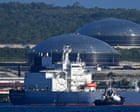
Cuba to pardon more than 2,000 prisoners as US eases fuel blockade
📖 Full Retelling
📚 Related People & Topics

Cuba
Country in the Caribbean
Cuba, officially the Republic of Cuba, is an island country in the Caribbean. It comprises the eponymous main island as well as 4,195 islands, islets, and cays. Situated at the convergence of the Caribbean Sea, Gulf of Mexico, and Atlantic Ocean, Cuba is located east of the Yucatán Peninsula, south ...
Entity Intersection Graph
Connections for Cuba:
Mentioned Entities
Deep Analysis
Why It Matters
This development matters because it represents a significant humanitarian gesture by Cuba that could improve bilateral relations with the United States during a period of economic hardship. The prisoner pardon affects thousands of families directly while signaling Cuba's willingness to address human rights concerns. The US fuel blockade easing provides critical relief for Cuba's struggling energy sector, potentially stabilizing daily life for all 11 million Cubans who have faced severe shortages. This coordinated action suggests both governments are testing diplomatic openings that could reshape regional politics and migration patterns.
Context & Background
- Cuba has faced a comprehensive US economic embargo since 1962, tightened under the Trump administration with over 200 additional sanctions
- Fuel shortages in Cuba have caused prolonged blackouts, transportation breakdowns, and economic paralysis in recent years
- Previous prisoner releases have occurred during diplomatic thaws, including the 2014 release of 53 political prisoners as part of US-Cuba normalization talks
- Cuba's prison system has been criticized by human rights organizations for holding political dissidents alongside common criminals
- The US first imposed fuel restrictions on Cuba in 2019, preventing Venezuela from shipping oil to the island through sanctions on shipping companies
What Happens Next
Observers will monitor whether the pardoned prisoners include any political dissidents, which could trigger further US policy adjustments. The fuel shipments will likely begin within weeks, with immediate effects on Cuba's power grid and transportation. Both governments may announce additional confidence-building measures ahead of the Summit of the Americas in early 2025. Long-term outcomes depend on whether Cuba implements broader economic reforms and whether the US makes permanent policy changes beyond temporary humanitarian exemptions.
Frequently Asked Questions
The pardon appears timed to reciprocate the US fuel blockade easing, creating a positive diplomatic atmosphere. Cuba may also be seeking to reduce prison overcrowding and address international human rights criticisms ahead of potential economic reforms.
Increased fuel availability should reduce daily blackouts that have lasted up to 20 hours in some regions. It will also restore public transportation, allow factories to operate, and help farmers distribute food more reliably across the island.
This represents a limited thaw rather than full normalization. The Biden administration has maintained most Trump-era sanctions, but appears willing to make humanitarian exceptions while pushing Cuba on human rights issues.
Official statements suggest most are non-violent offenders, though details remain unclear. Previous Cuban pardons have included elderly, ill, and female prisoners, plus some convicted of minor political offenses.
Potentially yes—improved economic conditions could reduce desperation-driven migration. However, if reforms don't materialize, migration might continue at current record levels of over 300,000 Cubans reaching the US border since 2022.