
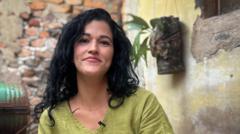
Cuba's mothers-to-be prepare to give birth in a country plunged into darkness
📖 Full Retelling
📚 Related People & Topics

Cuba
Country in the Caribbean
Cuba, officially the Republic of Cuba, is an island country in the Caribbean. It comprises the eponymous main island as well as 4,195 islands, islets, and cays. Situated at the convergence of the Caribbean Sea, Gulf of Mexico, and Atlantic Ocean, Cuba is located east of the Yucatán Peninsula, south ...
Entity Intersection Graph
Connections for Cuba:
Mentioned Entities
Deep Analysis
Why It Matters
This situation highlights Cuba's severe energy crisis and its impact on vulnerable populations, particularly pregnant women who require consistent medical care. It affects healthcare providers who must deliver essential services without reliable electricity, potentially endangering maternal and infant health outcomes. The crisis also reveals broader systemic failures in Cuba's infrastructure that could lead to increased mortality rates and long-term public health consequences.
Context & Background
- Cuba has experienced chronic electricity shortages for decades due to aging infrastructure and limited fuel imports
- The country relies heavily on imported oil, primarily from Venezuela, making it vulnerable to geopolitical and economic pressures
- Cuba's healthcare system has historically been praised for its accessibility despite economic challenges, but recent crises have strained resources
- Previous blackouts in 2022 lasted up to 12 hours daily, affecting hospitals, schools, and businesses across the island
- The U.S. embargo has limited Cuba's access to equipment and spare parts for power grid maintenance and medical facilities
What Happens Next
Healthcare facilities will likely implement emergency protocols using generators and battery-powered equipment, though fuel shortages may limit their effectiveness. International organizations like the UN or Red Cross may offer humanitarian assistance for maternal healthcare. The government will probably prioritize electricity for hospitals during delivery hours, but prolonged outages could force temporary maternity ward relocations to better-equipped facilities.
Frequently Asked Questions
Cuba's power grid suffers from decades of underinvestment and relies on aging Soviet-era infrastructure. Combined with reduced fuel imports from Venezuela due to that country's own economic crisis, this has created critical electricity shortages that affect the entire nation.
Blackouts disrupt essential medical equipment like fetal monitors, lighting for examinations and deliveries, refrigeration for medications, and sterilization of instruments. Emergency situations requiring immediate surgical intervention become particularly dangerous without reliable power.
Hospitals typically use backup generators, but these require scarce diesel fuel and may not power all equipment. Some facilities use solar panels or battery systems, but these are limited in capacity and availability across Cuba's healthcare network.
The energy crisis undermines Cuba's renowned maternal healthcare achievements, potentially reversing decades of progress in reducing infant and maternal mortality rates. It forces medical staff to work in suboptimal conditions despite their training and dedication.
Yes, elderly patients, children, and people with chronic conditions requiring refrigeration for medications or electrical medical devices are similarly endangered. The blackouts also affect water pumping systems, creating additional public health risks.