
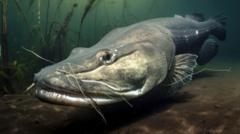
Decline in migratory fish populations prompts fight for protection
#migratory fish #population decline #protection #conservation #habitat loss #overfishing #climate change
📌 Key Takeaways
- Migratory fish populations are experiencing a significant decline globally.
- Conservation efforts are being intensified to protect these vulnerable species.
- The decline is attributed to factors like habitat loss, overfishing, and climate change.
- International cooperation is essential for effective protection and recovery.
📖 Full Retelling
🏷️ Themes
Conservation, Biodiversity
Entity Intersection Graph
No entity connections available yet for this article.
Deep Analysis
Why It Matters
This news matters because migratory fish are crucial indicators of ecosystem health and provide food security for millions globally. Their decline threatens biodiversity, disrupts food chains, and impacts commercial and subsistence fishing communities. Protecting these species is essential for maintaining balanced aquatic ecosystems and supporting livelihoods dependent on fisheries.
Context & Background
- Migratory fish like salmon, eels, and sturgeon have seen population declines of over 75% globally since 1970 according to the World Fish Migration Foundation
- Key threats include habitat loss from dams and barriers, pollution, overfishing, and climate change altering migration patterns
- International agreements like the Convention on Migratory Species (CMS) exist but implementation varies widely across countries
What Happens Next
Expect increased advocacy for stronger international protections, potential new dam removal projects to restore migration routes, and scientific monitoring programs to track population trends. Regulatory bodies may implement stricter fishing quotas and habitat restoration requirements within 6-12 months.
Frequently Asked Questions
Migratory fish are species that travel between freshwater and marine environments to complete their life cycles. They're important for nutrient cycling, supporting predator populations, and providing economic value through commercial and recreational fishing.
Primary causes include river fragmentation from dams and infrastructure blocking migration routes, water pollution degrading habitats, overfishing reducing populations, and climate change affecting water temperatures and flow patterns essential for migration.
Coastal and riverine communities face economic losses from reduced fishing opportunities and cultural impacts where migratory fish hold traditional significance. Indigenous groups particularly depend on these species for subsistence and cultural practices.
Proposals include removing or modifying barriers to fish passage, establishing protected migration corridors, implementing seasonal fishing bans, and improving water quality standards in critical habitats.
Yes, many migratory fish species show strong recovery potential when given adequate protection. Examples like Atlantic salmon in some European rivers demonstrate that habitat restoration and fishing regulations can lead to population rebounds.