
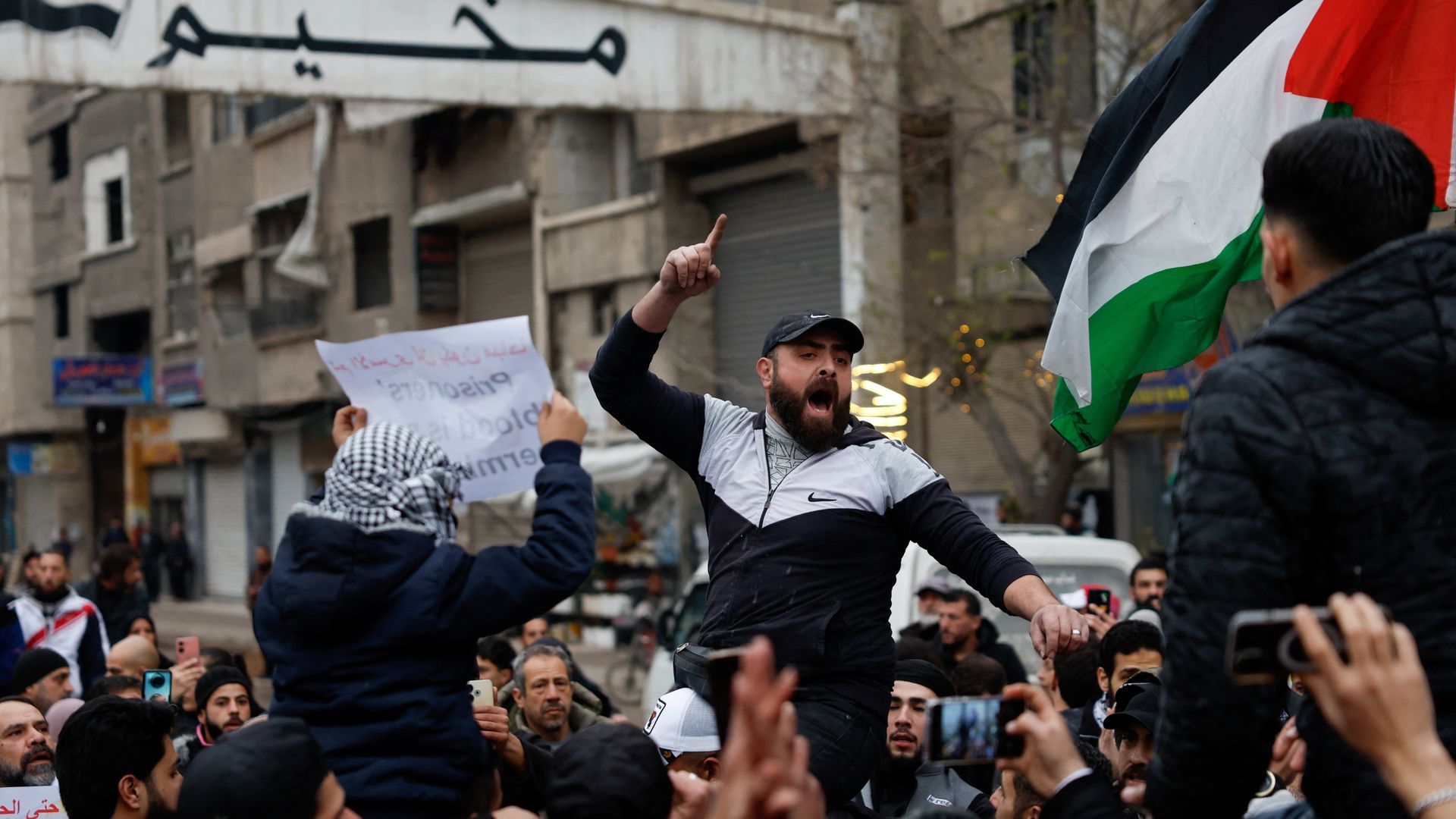
Eight Muslim-majority countries 'strongly condemn' Israel's new death penalty law
📖 Full Retelling
📚 Related People & Topics

Middle East
Transcontinental geopolitical region
The Middle East is a geopolitical region encompassing the Arabian Peninsula, Egypt, Iran, Iraq, the Levant, and Turkey. The term came into widespread usage by Western European nations in the early 20th century as a replacement of the term Near East (both were in contrast to the Far East). The term ...

Israel
Country in West Asia
Israel, officially the State of Israel, is a country in the Southern Levant region of West Asia. It is bordered by Lebanon to the north, Syria to the northeast, Jordan to the east, and Egypt to the southwest. Israel occupies the West Bank and the Gaza Strip of the Palestinian territories, as well as...
Entity Intersection Graph
Connections for Middle East:
Mentioned Entities
Deep Analysis
Why It Matters
This condemnation matters because it represents a significant diplomatic escalation between Israel and multiple Muslim-majority nations, potentially affecting regional stability and peace negotiations. It directly impacts Israeli-Arab relations at a time when normalization efforts were progressing with some countries. The death penalty law controversy could derail diplomatic progress and increase tensions across the Middle East, affecting millions through potential economic sanctions, travel restrictions, and security implications.
Context & Background
- Israel has maintained a de facto moratorium on civilian executions since 1962, with only one execution in its history (Nazi war criminal Adolf Eichmann in 1962)
- Several Muslim-majority countries have been pursuing normalization with Israel through the Abraham Accords since 2020
- The death penalty debate in Israel has historically centered on terrorism cases, with previous proposals failing to pass parliamentary hurdles
- Many Muslim-majority countries maintain capital punishment laws, creating a complex diplomatic dynamic in this condemnation
What Happens Next
Expect increased diplomatic pressure through international bodies like the UN Human Rights Council, potential economic repercussions including boycotts or sanctions from condemning nations, possible suspension of normalization talks with countries like Saudi Arabia, and domestic political debates within Israel about modifying or repealing the law. The situation may escalate at the next Arab League or Organization of Islamic Cooperation meetings.
Frequently Asked Questions
The article doesn't specify the exact countries, but likely include nations from the Arab League and Organization of Islamic Cooperation that have been critical of Israeli policies, potentially including Jordan, Egypt, Turkey, Saudi Arabia, UAE, Qatar, Pakistan, and Indonesia or Malaysia.
While details aren't provided, such laws typically allow capital punishment for terrorism-related offenses. Previous Israeli proposals have focused on allowing death sentences for terrorists who intentionally kill Israelis, requiring unanimous military court decisions.
This condemnation could significantly setback normalization efforts between Israel and Arab states, particularly with Saudi Arabia where talks were progressing. It may harden positions and make diplomatic compromises more difficult across multiple conflict areas.
Israel has not executed any civilians since 1962. The military court system has sentenced Palestinians to death but these sentences have typically been commuted or not carried out, maintaining Israel's de facto moratorium on executions.
These countries view the law as potentially targeting Palestinian prisoners and fear it could be applied disproportionately against Muslims. They also see it as undermining peace prospects and human rights protections in the region.