
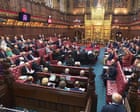
Evgeny Lebedev and Ian Botham have lowest Lords attendance, records show
#Evgeny Lebedev #Ian Botham #House of Lords #attendance records #parliamentary conduct
📌 Key Takeaways
- Evgeny Lebedev and Ian Botham have the lowest attendance records in the House of Lords.
- The findings highlight potential concerns about active participation among appointed peers.
- Attendance data is publicly available, emphasizing transparency in parliamentary conduct.
- The report may prompt discussions on the effectiveness and accountability of Lords members.
📖 Full Retelling
🏷️ Themes
Politics, Accountability
📚 Related People & Topics

Ian Botham
English cricketer (born 1955)
Ian Terence Botham, Baron Botham (born 24 November 1955) is an English cricket commentator, member of the House of Lords, a former cricketer who has been chairman of Durham County Cricket Club since 2017, and a charity fundraiser. Hailed as one of the greatest all-rounders in the history of the game...

Evgeny Lebedev
Russian-British businessman (born 1980)
Evgeny Alexandrovich Lebedev, Baron Lebedev (Russian: Евгений Александрович Лебедев, romanized: Yevgeniy Aleksandrovich Lebedev, pronounced [jɪvˈɡʲenʲɪj ˈlʲebʲɪdʲɪf]; born 8 May 1980), is a Russian-British businessman, who owns Lebedev Holdings Ltd, which in turn owns the Evening Standard and the no...

House of Lords
Upper house of the UK Parliament
The House of Lords is the upper house of the Parliament of the United Kingdom. Like the lower house, the House of Commons, it meets in the Palace of Westminster in London, England. One of the oldest extant institutions in the world, its origins lie in the early 11th century and the emergence of bica...
Entity Intersection Graph
No entity connections available yet for this article.
Mentioned Entities
Deep Analysis
Why It Matters
This news matters because it highlights accountability issues within the UK's parliamentary system, specifically in the House of Lords where appointed members receive allowances for their service. It affects taxpayers who fund these positions, political reformers advocating for Lords reform, and the credibility of the institution itself. The low attendance records of prominent figures like Lebedev and Botham raise questions about whether all peers are fulfilling their constitutional duties despite receiving public money.
Context & Background
- The House of Lords is the upper chamber of the UK Parliament, with members appointed rather than elected
- Peers can claim a daily allowance of £342 for attending sittings, plus travel expenses
- Lord Lebedev is a Russian-born media proprietor and son of former KGB agent Alexander Lebedev, appointed in 2020
- Lord Botham is a former England cricket captain appointed in 2020 as a Conservative peer
- There have been longstanding debates about Lords reform, including calls for an elected chamber or attendance requirements
What Happens Next
The publication of attendance records may lead to increased scrutiny of Lords reform proposals in upcoming parliamentary sessions. Individual peers with low attendance may face pressure to explain their absences or consider resignation. The House of Lords Commission may review attendance requirements or allowance structures, potentially leading to rule changes in 2024-2025.
Frequently Asked Questions
Neither has publicly explained their specific reasons, but possible factors include other professional commitments, health issues, or disengagement with parliamentary work. Both were appointed as working peers expected to contribute regularly to legislative scrutiny.
Peers only receive the daily allowance when they attend, so low attendance means less public money claimed. However, critics argue that even occasional attendance while drawing other benefits represents poor value for taxpayers.
Currently, peers cannot be removed for poor attendance alone unless they voluntarily resign or are expelled for serious misconduct. The House of Lords Act 2014 allows retirement, but there's no mandatory retirement age or attendance requirement.
These records strengthen arguments for reforming the appointment system and implementing attendance requirements. Reform advocates will likely cite these examples when pushing for changes to make the Lords more accountable and effective.
While Lebedev and Botham reportedly have the lowest attendance, other peers also have poor records. The publication of this data may lead to broader examination of attendance patterns across the 800-member chamber.