
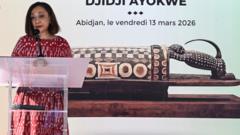
France returns sacred 'talking drum' looted during colonial rule to Ivory Coast
#France #Ivory Coast #talking drum #looted artifacts #colonialism #cultural heritage #repatriation
📌 Key Takeaways
- France returned a sacred 'talking drum' looted during colonial rule to Ivory Coast.
- The drum is a culturally significant artifact used in traditional ceremonies.
- This act is part of broader efforts to repatriate cultural heritage taken during colonialism.
- The return symbolizes a step toward addressing historical injustices and fostering cultural reconciliation.
📖 Full Retelling
🏷️ Themes
Cultural repatriation, Colonial legacy
📚 Related People & Topics

France
Country primarily in Western Europe
France, officially the French Republic, is a country primarily located in Western Europe. Its overseas regions and territories include French Guiana in South America, Saint Pierre and Miquelon in the North Atlantic, the French West Indies, and many islands in Oceania and the Indian Ocean. Metropolit...

Ivory Coast
Country in West Africa
Ivory Coast, also known as Côte d'Ivoire and officially the Republic of Côte d'Ivoire, is a country on the southern coast of West Africa. Its capital city of Yamoussoukro is located in the centre of the country, while its largest city and economic centre is the port city of Abidjan. It borders Guine...
Entity Intersection Graph
Connections for France:
Mentioned Entities
Deep Analysis
Why It Matters
This news is important because it represents a significant step in addressing historical injustices from the colonial era, specifically the restitution of cultural artifacts looted from African nations. It affects the people of Ivory Coast by restoring a piece of their cultural and spiritual heritage, which holds deep symbolic value. The return also impacts international relations, setting a precedent for other former colonial powers to repatriate stolen artifacts and fostering dialogue on reparative justice. Additionally, it highlights ongoing efforts to reconcile with colonial histories and supports cultural preservation initiatives in post-colonial societies.
Context & Background
- During the late 19th and early 20th centuries, European colonial powers, including France, looted numerous cultural artifacts from African territories as part of imperial conquests and exploitation.
- Ivory Coast was a French colony from 1893 until it gained independence in 1960, during which time many sacred objects were taken and placed in European museums or private collections.
- Talking drums are traditional instruments in West Africa used for communication, ceremonies, and storytelling, often considered sacred and integral to cultural identity.
- In recent years, there has been a growing global movement, led by activists and governments, advocating for the repatriation of looted artifacts to their countries of origin.
- France has faced increasing pressure to address its colonial past, with President Emmanuel Macron pledging in 2017 to facilitate the return of African cultural heritage.
What Happens Next
Following this return, Ivory Coast may integrate the drum into cultural exhibitions or rituals to revive its historical significance. Other African nations are likely to intensify calls for similar restitutions from France and other European countries. Upcoming developments could include formal agreements between France and Ivory Coast for further repatriations, with potential announcements at international cultural forums in the coming months. Additionally, museums in France may face increased scrutiny and legal actions to assess their collections for looted items.
Frequently Asked Questions
A talking drum is a traditional West African instrument that mimics speech tones and rhythms, used for communication over distances and in cultural ceremonies. It is considered sacred due to its role in spiritual rituals, storytelling, and as a symbol of community identity and heritage.
France returned the drum in response to growing international pressure and domestic initiatives to address colonial injustices. This aligns with President Macron's 2017 commitment to repatriate African cultural heritage, part of broader efforts to improve diplomatic relations and acknowledge historical wrongs.
This return sets a precedent that may encourage other European museums to repatriate looted artifacts, leading to increased claims and negotiations. It could accelerate policy changes and legal frameworks for restitution, impacting collections across Europe and sparking debates on cultural ownership.
Challenges include legal complexities over ownership, resistance from museums citing preservation concerns, and logistical issues in verifying origins. There are also debates about the capacity of origin countries to safeguard returned items and ensure their cultural context is maintained.
Ivory Coast may display the drum in museums to educate the public about its cultural heritage or incorporate it into traditional ceremonies to revive its spiritual significance. This could boost cultural tourism and foster national pride, supporting broader efforts to preserve Ivorian history.