
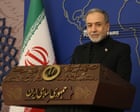
Gulf states may be covertly encouraging attacks by US, Iran foreign minister says
#Iran #Gulf states #foreign minister #covert encouragement #attacks #US #Middle East #diplomatic tensions
📌 Key Takeaways
- Iran's foreign minister accuses Gulf states of covertly encouraging attacks by the US.
- The statement suggests regional tensions are escalating amid ongoing conflicts.
- The accusation implies a shift in diplomatic relations between Iran and Gulf nations.
- This could impact international efforts to stabilize the Middle East.
📖 Full Retelling
🏷️ Themes
Geopolitical Tensions, Diplomatic Relations
Entity Intersection Graph
No entity connections available yet for this article.
Deep Analysis
Why It Matters
This accusation matters because it escalates regional tensions in the Middle East and could destabilize diplomatic efforts. It directly affects Gulf Cooperation Council (GCC) countries like Saudi Arabia, UAE, and Bahrain, as well as U.S.-Iran relations. The statement risks further polarization in a region already divided by proxy conflicts and security concerns, potentially impacting global oil markets and international security alliances.
Context & Background
- Iran and Gulf Arab states have a long history of regional rivalry, with tensions rooted in sectarian (Shia Iran vs. Sunni Gulf monarchies), political, and geopolitical differences.
- The U.S. maintains military bases and security partnerships with several Gulf states, which Iran views as a threat to its regional influence.
- Recent years have seen attacks on shipping in the Gulf, drone strikes on oil facilities, and proxy conflicts in Yemen and Syria involving Iran and Gulf states.
- Diplomatic efforts, such as the 2015 Iran nuclear deal (JCPOA) and recent Saudi-Iran reconciliation talks, have attempted to reduce tensions with mixed results.
What Happens Next
Expect increased diplomatic rhetoric and possible denials from Gulf states. The U.S. may issue statements reaffirming its regional partnerships. If tensions escalate, there could be heightened military patrols in the Gulf or further attacks on shipping lanes. Monitoring upcoming GCC meetings or UN sessions for responses is advised.
Frequently Asked Questions
Iran is likely referring to Saudi Arabia, the United Arab Emirates (UAE), and Bahrain, which have historically tense relations with Iran and close security ties with the U.S. These states have previously accused Iran of destabilizing activities in the region.
Gulf states might seek to draw the U.S. deeper into regional security to counter Iran's influence, particularly regarding nuclear ambitions or proxy conflicts. However, such encouragement would likely be indirect, through intelligence sharing or political support, rather than overt requests for attacks.
The U.S. typically denies coordinating attacks with Gulf states and emphasizes its right to self-defense against threats. It often reiterates its commitment to regional stability and the security of allies, while calling for diplomatic solutions with Iran.
This accusation could undermine recent reconciliation efforts, such as Saudi-Iran talks, and fuel mistrust. It may lead to retaliatory measures, such as economic sanctions or military posturing, slowing progress on issues like the Iran nuclear deal or Yemen peace negotiations.