
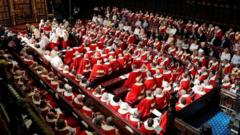
Hereditary peers to be removed from Lords as bill passes
#hereditary peers #House of Lords #bill #reform #UK Parliament #legislation #upper chamber
📌 Key Takeaways
- A bill to remove hereditary peers from the House of Lords has passed.
- This marks a significant step in reforming the UK's upper parliamentary chamber.
- The change aims to modernize the Lords by ending hereditary membership.
- The legislation now moves forward for further parliamentary approval.
🏷️ Themes
Political Reform, UK Parliament
📚 Related People & Topics
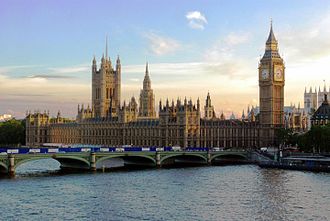
Parliament of the United Kingdom
Supreme legislative body of the United Kingdom
The Parliament of the United Kingdom of Great Britain and Northern Ireland is the supreme legislative body of the United Kingdom, and may also legislate for the Crown Dependencies and the British Overseas Territories. Since 1999, varying degrees of powers have been devolved to the national parliamen...

House of Lords
Upper house of the UK Parliament
The House of Lords is the upper house of the Parliament of the United Kingdom. Like the lower house, the House of Commons, it meets in the Palace of Westminster in London, England. One of the oldest extant institutions in the world, its origins lie in the early 11th century and the emergence of bica...
Entity Intersection Graph
Connections for Parliament of the United Kingdom:
Mentioned Entities
Deep Analysis
Why It Matters
This represents a significant constitutional reform that affects the fundamental structure of the UK's parliamentary system. It matters because it addresses long-standing criticisms about democratic legitimacy and modernizes one of the world's oldest legislative bodies. The change impacts hereditary peers who will lose their automatic right to sit in Parliament, while potentially opening the Lords to more diverse representation. This reform could reshape legislative dynamics and public perception of political institutions.
Context & Background
- The House of Lords has included hereditary peers since medieval times, with seats passed through aristocratic families
- The 1999 House of Lords Act reduced hereditary peers from over 750 to just 92, but preserved some through a compromise
- Reform debates have continued for decades with various proposals for an elected or appointed second chamber
- The current bill follows years of pressure from democratic reform advocates and public criticism of unelected legislators
- The UK remains one of few democracies with hereditary legislators in its national parliament
What Happens Next
The bill will proceed to royal assent and implementation, with hereditary peers gradually losing their seats over a defined transition period. New appointment mechanisms will need to be established to fill vacated positions, potentially through independent commissions or other selection processes. Constitutional experts will monitor how the change affects legislative balance between Commons and Lords, with possible further reforms debated in coming years.
Frequently Asked Questions
Hereditary peers are members of the House of Lords who inherit their titles and parliamentary seats through family lineage, typically from aristocratic backgrounds. They have historically held legislative power without being elected or appointed based on merit.
The Lords will continue as a revising chamber with appointed life peers, bishops, and law lords. The remaining members will maintain their roles scrutinizing legislation, though the chamber's composition and potentially its authority may evolve through this reform.
Previous attempts faced political resistance from traditionalists and complexities in designing alternative systems. The 1999 compromise preserved some hereditary seats to ensure passage of partial reform, delaying complete elimination until now.
While removing hereditary elements increases democratic legitimacy, the Lords will still consist primarily of appointed rather than elected members. True democratic reform would require further changes to the appointment or election processes.
They retain their aristocratic titles and social status but lose the automatic right to sit in Parliament. Their ceremonial roles and family heritage continue, just without legislative privileges.