
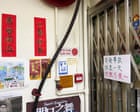
Hong Kong bookstore staff arrested for allegedly selling ‘seditious’ Jimmy Lai biography, broadcaster reports
📖 Full Retelling
📚 Related People & Topics

Hong Kong
Special administrative region of China
Hong Kong is a special administrative region of China. Situated on China's southern coast just south of Shenzhen, it consists of Hong Kong Island, Kowloon, and the New Territories. With 7.5 million residents in a 1,114-square-kilometre (430 sq mi) territory, Hong Kong is the fourth-most densely popu...
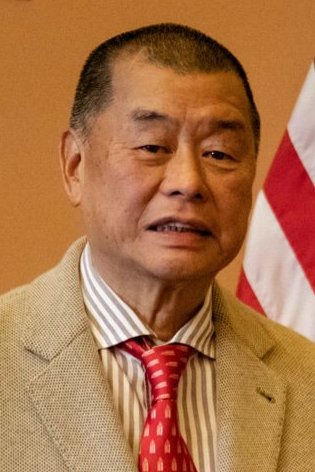
Jimmy Lai
Hong Kong businessman and activist (born 1947)
Lai Chee-ying (Chinese: 黎智英; born 8 December 1947), also known as Jimmy Lai, is a Hong Kong businessman and politician. He founded the clothing retailer Giordano, the media company Next Digital (formerly Next Media), and the newspaper Apple Daily. He is one of the main contributors to Hong Kong's pr...
Entity Intersection Graph
Connections for Hong Kong:
Mentioned Entities
Deep Analysis
Why It Matters
This arrest demonstrates Hong Kong's continued enforcement of national security laws against perceived dissent, affecting freedom of expression and publishing in the territory. It signals that authorities remain vigilant about materials related to prominent pro-democracy figures like Jimmy Lai, who is currently imprisoned. The case impacts booksellers, publishers, and readers who must navigate increasingly restrictive content boundaries. This reinforces concerns about Hong Kong's diminishing autonomy under Beijing's control since the 2020 national security law implementation.
Context & Background
- Jimmy Lai is a prominent Hong Kong pro-democracy activist and media tycoon who founded the now-defunct Apple Daily newspaper
- Hong Kong implemented a sweeping national security law in June 2020 that criminalizes secession, subversion, terrorism, and collusion with foreign forces
- Multiple Hong Kong booksellers and publishers have faced legal action since 2015, including the high-profile 'missing booksellers' case involving five men who disappeared and later reappeared in mainland custody
- The Hong Kong government has banned numerous books and materials under national security provisions, including children's books about sheep and wolves that authorities claimed contained political subtext
- Jimmy Lai was sentenced to five years and nine months in prison in 2021 for fraud and later faced additional national security charges
What Happens Next
The arrested staff will likely face legal proceedings under Hong Kong's sedition laws, with potential trials in the coming months. Authorities may expand investigations to other bookstores selling similar materials. International human rights organizations will probably condemn the arrests, while Beijing will defend them as lawful national security enforcement. Additional book removals from Hong Kong stores are expected as sellers preemptively clear potentially problematic inventory.
Frequently Asked Questions
Hong Kong's sedition laws criminalize acts intended to bring hatred or contempt against the government or to incite violence. These laws have been increasingly enforced since the 2020 national security law implementation, with broader interpretations applied to publications and speech.
Jimmy Lai is a Hong Kong billionaire businessman and pro-democracy activist who founded Apple Daily, a newspaper critical of Beijing that was forced to close in 2021. He has been imprisoned on various charges that critics say are politically motivated to silence dissent.
Hong Kong's publishing industry has undergone significant self-censorship, with many books removed from shelves and publishers avoiding politically sensitive topics. International publishers have become cautious about distributing certain materials in Hong Kong due to legal risks.
The arrest may further strain relations between Western governments and China, particularly regarding human rights concerns. It could influence foreign businesses' perceptions of operating in Hong Kong and potentially trigger additional sanctions discussions in some Western legislatures.
Ordinary residents face reduced access to diverse political perspectives and must carefully consider what materials they purchase or discuss publicly. The climate creates chilling effects on academic research, journalism, and casual political discourse in daily life.