
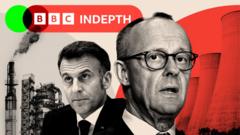
How Europe sleepwalked into yet another energy crisis
#Europe #energy crisis #infrastructure #supply chain #renewable energy #strategic planning #policy
📌 Key Takeaways
- Europe faces a new energy crisis due to over-reliance on unstable energy sources and poor strategic planning.
- The crisis highlights vulnerabilities in Europe's energy infrastructure and supply chain management.
- Political and economic factors have contributed to delayed responses and inadequate crisis preparedness.
- The situation underscores the urgent need for diversified energy strategies and renewable investments.
🏷️ Themes
Energy Security, Policy Failure
📚 Related People & Topics

Europe
Continent
Europe is a continent located entirely in the Northern Hemisphere and mostly in the Eastern Hemisphere. It is bordered by the Arctic Ocean to the north, the Atlantic Ocean to the west, the Mediterranean Sea to the south, and Asia to the east. Europe shares the landmass of Eurasia with Asia, and of A...
Entity Intersection Graph
Connections for Europe:
Mentioned Entities
Deep Analysis
Why It Matters
Europe's recurring energy crises threaten economic stability, household budgets, and industrial competitiveness across the continent. These crises affect millions of citizens through rising utility bills, businesses through unpredictable operating costs, and governments through strained public finances and energy security vulnerabilities. The pattern of 'sleepwalking' into repeated crises suggests systemic failures in energy policy and infrastructure planning that require urgent structural solutions.
Context & Background
- Europe experienced a major energy crisis in 2022-2023 triggered by Russia's invasion of Ukraine and subsequent reduction of natural gas supplies
- The continent has been transitioning toward renewable energy sources while phasing out coal and nuclear power in many countries
- Europe's energy infrastructure remains heavily interconnected, creating vulnerabilities when supply disruptions occur in one region
- Previous energy crises have led to emergency measures including price caps, subsidies, and accelerated renewable energy deployment
What Happens Next
European governments will likely implement emergency measures including strategic reserve releases, price controls, and accelerated permitting for energy projects. The European Commission may propose new regulations for energy market design and storage requirements. Energy-intensive industries may face production cuts or temporary closures if prices spike significantly. Long-term, this crisis will likely accelerate investments in renewable energy, grid modernization, and energy efficiency programs across the continent.
Frequently Asked Questions
It refers to European policymakers and institutions failing to anticipate and prevent predictable energy supply problems despite warning signs and previous similar crises, suggesting complacency or inadequate planning.
Countries with high dependence on imported energy, limited domestic production, and less diversified energy mixes tend to be most vulnerable, including Germany, Italy, and Eastern European nations that historically relied on Russian supplies.
Households face dramatically higher heating and electricity bills, potentially leading to energy poverty where people cannot afford adequate heating. Transportation costs also increase as fuel prices rise.
Key factors include over-reliance on imported fossil fuels, inadequate energy storage capacity, slow renewable energy deployment, infrastructure bottlenecks, and fragmented policy coordination between EU member states.
While renewables increase energy independence, they require complementary solutions like energy storage, grid modernization, and demand management to ensure reliable supply since solar and wind generation varies with weather conditions.