
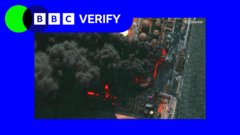
Huge fires at Russian oil facilities following Ukraine strikes, satellite images show
#Russia #Ukraine #oil facilities #fires #satellite images #strikes #energy infrastructure
📌 Key Takeaways
- Satellite images confirm large-scale fires at Russian oil facilities.
- The fires are attributed to Ukrainian military strikes.
- The incidents highlight ongoing targeting of Russian energy infrastructure.
- The attacks may impact Russia's oil production and export capabilities.
🏷️ Themes
Military Conflict, Energy Infrastructure
📚 Related People & Topics

Russia
Country in Eastern Europe and North Asia
Russia, or the Russian Federation, is a country in Eastern Europe and North Asia. It is the largest country in the world, spanning eleven time zones and sharing land borders with fourteen countries. With a population of over 140 million, Russia is the most populous country in Europe and the ninth-mo...

Ukraine
Country in Eastern Europe
# Ukraine **Ukraine** is a country located in Eastern Europe. It is the second-largest country in Europe by area, after Russia. Known for its extensive fertile plains, the nation serves as a critical global exporter of grain and is considered a middle power in international affairs. ## Geography a...
Entity Intersection Graph
Connections for Russia:
Mentioned Entities
Deep Analysis
Why It Matters
This news matters because it demonstrates Ukraine's evolving military strategy to target Russia's economic infrastructure, potentially weakening Russia's war funding and military logistics. It affects global energy markets by creating supply uncertainty and price volatility. The strikes also represent an escalation in the conflict, showing Ukraine's capability to strike deep inside Russian territory, which could influence future military tactics and international diplomatic responses.
Context & Background
- Russia's oil and gas sector accounts for approximately 40% of federal budget revenue, making it a critical economic target
- Ukraine has been developing longer-range drone capabilities throughout 2023-2024 to strike targets inside Russia
- Previous Ukrainian strikes on Russian energy infrastructure in early 2024 caused temporary production disruptions but limited long-term damage
- The conflict has already caused significant volatility in global oil markets since Russia's full-scale invasion began in February 2022
- Russia has been exporting oil at discounted prices to countries like China and India while facing Western sanctions and price caps
What Happens Next
Russia will likely enhance air defenses around critical energy infrastructure and may retaliate with strikes on Ukrainian energy facilities. International oil prices may experience short-term spikes, while Russia will attempt to repair damaged facilities quickly. NATO countries will monitor these developments closely as they consider further military support for Ukraine, with upcoming G7 and EU meetings potentially addressing energy security implications.
Frequently Asked Questions
While individual strikes cause localized damage, repeated attacks on multiple facilities could cumulatively impact Russia's refining capacity and export capabilities. The psychological impact on global markets may exceed the actual production loss in the short term.
Ukraine is primarily using domestically developed long-range drones capable of traveling hundreds of kilometers. These unmanned aerial vehicles are relatively inexpensive compared to traditional missiles, allowing Ukraine to sustain such attacks despite limited resources.
Markets typically react to supply disruptions with immediate price increases, though the effect may be tempered by strategic petroleum reserves and alternative supplies. Long-term impacts depend on the scale of damage and duration of production interruptions.
Direct attacks on NATO energy infrastructure remain unlikely due to escalation risks, but Russia may increase cyber attacks or sabotage attempts. More probable retaliation would involve intensified strikes on Ukrainian energy systems already underway since winter 2022-2023.
Commercial satellite imagery provides independent verification when access is restricted, showing thermal anomalies from fires and structural damage. This evidence helps counter potential Russian disinformation about the attacks' severity and location.