
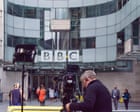
In a world of lies, we need the BBC more than ever. This week could be our last chance to save it | Polly Toynbee
#BBC #misinformation #Polly Toynbee #media crisis #public service #news reliability #funding threat
📌 Key Takeaways
- The BBC is portrayed as a crucial institution for combating misinformation in a world filled with lies.
- Polly Toynbee argues that the BBC is currently facing an existential threat requiring immediate action.
- This week is identified as a critical window of opportunity to protect and preserve the BBC's future.
- The article emphasizes the BBC's role in providing reliable, impartial news and information to the public.
📖 Full Retelling
🏷️ Themes
Media integrity, Public broadcasting
📚 Related People & Topics

Polly Toynbee
English journalist (born 1946)
Mary Louisa "Polly" Toynbee (; born 27 December 1946) is a British journalist and writer. She has been a columnist for The Guardian newspaper since 1998. She is a social democrat and was a candidate for the Social Democratic Party in the 1983 general election.
Entity Intersection Graph
Connections for Polly Toynbee:
Mentioned Entities
Deep Analysis
Why It Matters
This article highlights the critical importance of preserving the BBC as a trusted public service broadcaster in an era of widespread misinformation and disinformation. It affects all UK citizens who rely on the BBC for impartial news, educational content, and cultural programming, as well as the broader global audience that depends on its international reporting. The potential loss of the BBC would undermine democratic discourse, reduce media plurality, and eliminate a key counterweight to commercial and state-controlled media narratives. This represents a fundamental threat to informed public debate and cultural cohesion in Britain.
Context & Background
- The BBC was founded in 1922 as the British Broadcasting Company and became a public corporation in 1927 with a royal charter establishing its independence and public service mission.
- The BBC is primarily funded through the television license fee, which has been a source of political controversy and debate for decades, with periodic reviews of its funding model and charter renewal.
- Recent years have seen increasing political pressure on the BBC from both Conservative governments and commercial media competitors who challenge its funding model and perceived biases.
- The BBC has faced criticism from various political perspectives while maintaining its position as one of the world's most respected and influential public broadcasters with global reach through BBC World Service.
What Happens Next
The article suggests imminent decisions about the BBC's future funding model and charter renewal, with potential outcomes including reduced public funding, increased commercial pressures, or fundamental restructuring. Political negotiations between the government and BBC leadership will likely intensify, with possible public campaigns to defend the broadcaster's independence. The coming months may see either a reaffirmation of the BBC's public service role or a significant shift toward a more commercially-driven model that could alter its programming and editorial independence.
Frequently Asked Questions
The BBC provides verified, impartial news that counters misinformation in an era of social media disinformation and polarized media. As a publicly-funded broadcaster with strict editorial standards, it serves as a trusted reference point for factual reporting that commercial media often cannot match due to profit pressures.
The BBC faces political pressure over its funding model, competition from streaming services and digital platforms, accusations of bias from multiple political factions, and challenges to its relevance among younger audiences. These combined pressures threaten its traditional public service broadcasting model and editorial independence.
The BBC is primarily funded through an annual television license fee paid by UK households with television reception equipment. This model is controversial because it's a mandatory charge some consider regressive, while others argue it's essential for maintaining the BBC's independence from commercial and political pressures that affect advertising-funded media.
The UK would lose its primary public service broadcaster, reducing media plurality and potentially increasing polarization. Trusted international reporting through BBC World Service would decline, and cultural programming that isn't commercially viable would disappear, narrowing the range of voices and perspectives in British media.