
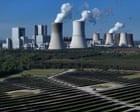
In Europe, lobbyists are using soaring fuel prices to make the case for more dirty energy
📖 Full Retelling
📚 Related People & Topics

Europe
Continent
Europe is a continent located entirely in the Northern Hemisphere and mostly in the Eastern Hemisphere. It is bordered by the Arctic Ocean to the north, the Atlantic Ocean to the west, the Mediterranean Sea to the south, and Asia to the east. Europe shares the landmass of Eurasia with Asia, and of A...
Entity Intersection Graph
Connections for In Europe:
Mentioned Entities
Deep Analysis
Why It Matters
This news matters because it reveals how energy industry lobbyists are exploiting a short-term crisis to push for long-term fossil fuel infrastructure that would lock Europe into continued carbon emissions, undermining climate commitments. It affects European citizens facing energy poverty, policymakers balancing energy security with climate goals, and the global community relying on Europe's climate leadership. The outcome could determine whether Europe accelerates or delays its clean energy transition during a pivotal moment for climate action.
Context & Background
- Europe has committed to reducing greenhouse gas emissions by at least 55% by 2030 and achieving climate neutrality by 2050 under the European Green Deal.
- Russia's invasion of Ukraine triggered an energy crisis in Europe, exposing dependency on Russian fossil fuels and causing record-high energy prices across the continent.
- The REPowerEU plan was launched in 2022 to rapidly reduce dependence on Russian fossil fuels and accelerate the clean energy transition through diversification and efficiency measures.
- European industries have faced competitive pressures from high energy costs, with some energy-intensive sectors threatening to relocate production outside Europe.
What Happens Next
European policymakers will face intensified lobbying efforts ahead of key decisions on energy infrastructure investments and climate legislation. The European Commission may need to clarify whether temporary measures to address energy security will align with long-term climate targets. National governments will make crucial choices about extending the lifespan of fossil fuel plants versus accelerating renewable deployment. These decisions will influence the next round of National Energy and Climate Plans due in 2024.
Frequently Asked Questions
Lobbyists are pushing for expanded natural gas infrastructure, extended operation of coal-fired power plants, and new investments in fossil fuel projects that were previously being phased out. They argue these measures are necessary for energy security despite their climate impacts.
Record energy prices have caused severe energy poverty, with many households struggling to heat homes, while businesses face unsustainable operating costs. Some industries have reduced production or considered relocating outside Europe due to uncompetitive energy expenses.
Alternatives include accelerating renewable energy deployment, improving energy efficiency through building retrofits, expanding electricity grid interconnections between countries, and developing energy storage solutions. Many experts argue these provide both energy security and climate benefits.
New fossil fuel infrastructure creates 'lock-in' effects that commit Europe to decades of emissions, making climate targets harder to achieve. It also diverts investment from clean energy solutions needed for the transition to net-zero emissions by 2050.
Fossil fuel companies, energy-intensive manufacturing sectors, and utilities with significant fossil fuel assets are leading the lobbying. They're joined by some business associations representing industries concerned about competitiveness amid high energy costs.