
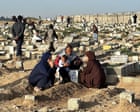
In Gaza, the joy of Eid has gone. Visiting relatives at the end of Ramadan is a procession through loss | Ahmed Kamal Junina
📖 Full Retelling
📚 Related People & Topics

Ramadan
Month-long fasting event in Islam
Ramadan is the ninth month of the Islamic calendar. It is observed by Muslims worldwide as a month of fasting (sawm), communal prayer (salah), reflection, and community. It is also the month in which the Quran is believed to have been revealed to the Islamic prophet Muhammad.
Entity Intersection Graph
Connections for Gaza:
Mentioned Entities
Deep Analysis
Why It Matters
This article highlights the profound human cost of the Gaza conflict, showing how even traditional religious celebrations have been overshadowed by trauma and loss. It matters because it reveals the psychological and social devastation affecting Palestinian civilians who continue to endure conflict while trying to maintain cultural traditions. The piece gives voice to ordinary Gazans whose daily lives and family connections have been permanently altered, affecting millions in the region and drawing international attention to humanitarian impacts beyond immediate physical destruction.
Context & Background
- Eid al-Fitr marks the end of Ramadan, traditionally a time of celebration, family gatherings, and communal prayers across Muslim communities worldwide
- Gaza has experienced multiple major conflicts since 2008, with the most recent escalation beginning in October 2023 resulting in significant civilian casualties and displacement
- The Gaza Strip has been under an Israeli-Egyptian blockade since 2007, severely restricting movement of people and goods in and out of the territory
- Palestinian society places strong cultural emphasis on family connections and communal celebrations, making disrupted traditions particularly painful
- Previous Eid celebrations in Gaza have often been tempered by conflict, but current conditions represent an unprecedented scale of disruption to normal life
What Happens Next
International humanitarian organizations will likely intensify calls for ceasefire and aid access ahead of upcoming religious holidays. Palestinian civil society groups may document these cultural disruptions as part of broader human rights reporting. The psychological trauma described may manifest in increased demand for mental health services that are already severely strained in Gaza. Future Eid celebrations in Gaza will likely continue to be affected until a lasting political solution is achieved.
Frequently Asked Questions
Eid al-Fitr is a major Islamic holiday marking the end of Ramadan's month of fasting. It's traditionally celebrated with special prayers, festive meals, new clothes, gift-giving, and visiting relatives - representing spiritual renewal and community bonding.
Daily life has been severely disrupted with widespread destruction of homes and infrastructure, limited access to basic necessities like food and water, constant security threats, and massive internal displacement. Traditional social patterns and family connections have been fractured.
Focusing on cultural and religious impacts humanizes conflict statistics by showing how traditions, family bonds, and psychological wellbeing are affected. This perspective helps international audiences understand the comprehensive nature of suffering beyond physical casualties.
Gazans adapt religious practices to dangerous conditions - holding prayers in shelters rather than mosques, simplifying celebrations due to resource shortages, and maintaining spiritual traditions as forms of resilience despite overwhelming challenges.
Current conditions involve unprecedented scale of displacement, more comprehensive infrastructure damage, greater international attention, and longer duration of intense hostilities affecting nearly all aspects of civilian life simultaneously.