
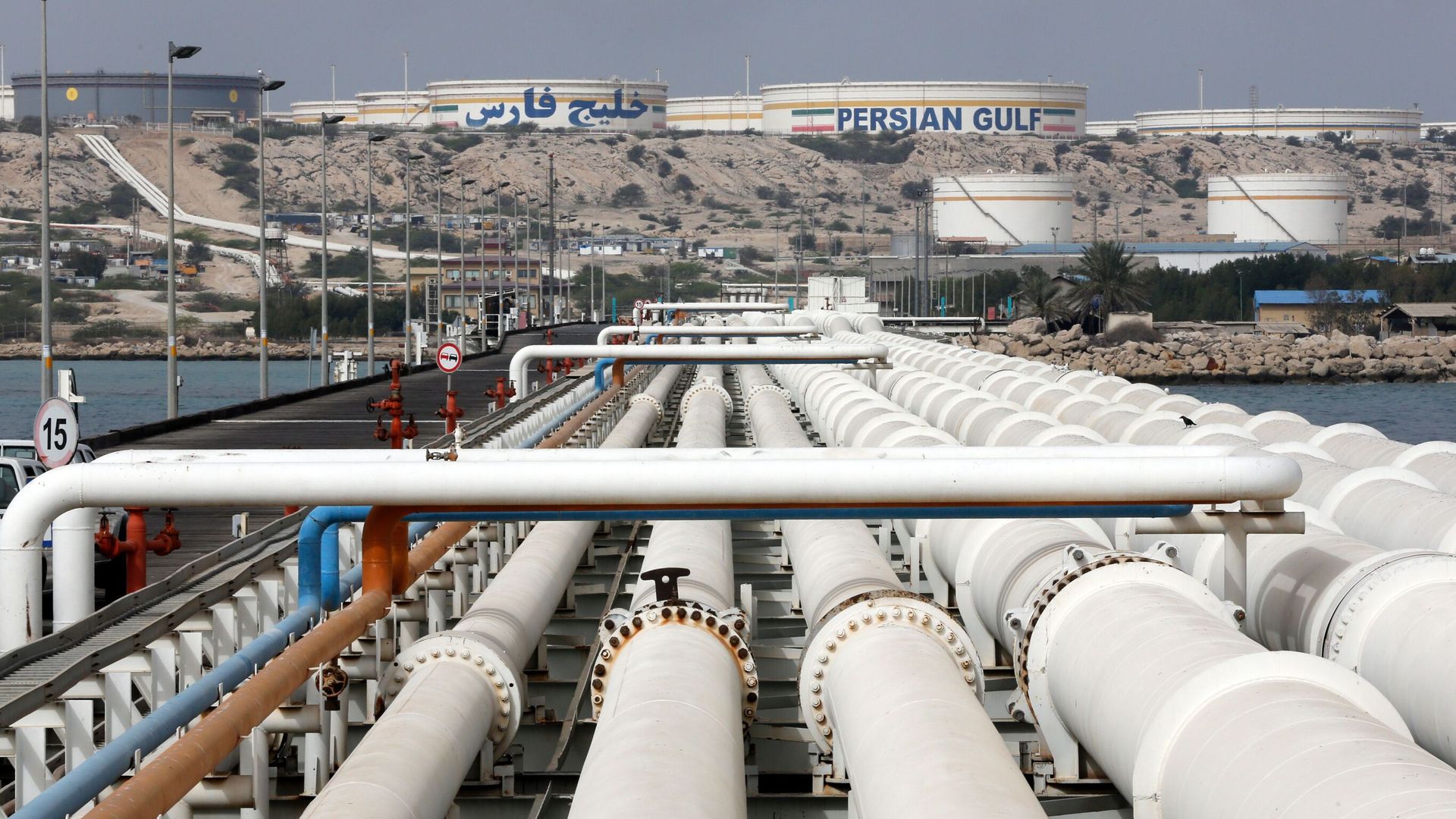
Iran says Trump has 'backed down' after he postpones energy attacks
#Iran #Trump #energy attacks #drone #Middle East #U.S.-Iran relations #postponed
📌 Key Takeaways
- Iran claims President Trump 'backed down' by postponing planned energy attacks.
- The decision to delay attacks followed a U.S. drone being shot down by Iran.
- Tensions remain high between the U.S. and Iran over military and energy issues.
- The incident highlights ongoing geopolitical risks in the Middle East.
📖 Full Retelling
🏷️ Themes
Geopolitical Tensions, Military Posturing
📚 Related People & Topics

Iran
Country in West Asia
# Iran **Iran**, officially the **Islamic Republic of Iran** and historically known as **Persia**, is a sovereign country situated in West Asia. It is a major regional power, ranking as the 17th-largest country in the world by both land area and population. Combining a rich historical legacy with a...

Middle East
Transcontinental geopolitical region
The Middle East is a geopolitical region encompassing the Arabian Peninsula, Egypt, Iran, Iraq, the Levant, and Turkey. The term came into widespread usage by Western European nations in the early 20th century as a replacement of the term Near East (both were in contrast to the Far East). The term ...

Donald Trump
President of the United States (2017–2021; since 2025)
Donald John Trump (born June 14, 1946) is an American politician, media personality, and businessman who is the 47th president of the United States. A member of the Republican Party, he served as the 45th president from 2017 to 2021. Born into a wealthy New York City family, Trump graduated from the...
Entity Intersection Graph
Connections for Iran:
Mentioned Entities
Deep Analysis
Why It Matters
This development matters because it represents a significant de-escalation in tensions between the U.S. and Iran, potentially averting immediate military conflict in the Persian Gulf region. It affects global energy markets, regional stability in the Middle East, and diplomatic relations between Western powers and Iran. The decision impacts U.S. allies in the region, international shipping through critical waterways, and could influence future negotiations on Iran's nuclear program.
Context & Background
- The U.S. and Iran have been in escalating conflict since 2018 when Trump withdrew from the Iran nuclear deal (JCPOA) and reimposed sanctions
- Iran has been gradually exceeding nuclear deal limits since May 2019 in response to U.S. sanctions and economic pressure
- Tensions spiked in June 2019 with attacks on oil tankers in the Gulf of Oman and the downing of a U.S. drone by Iran
- The U.S. has deployed additional military assets to the region including aircraft carriers and bombers in recent months
What Happens Next
Diplomatic efforts will likely intensify through intermediaries like Japan, Oman, and European powers. Iran may continue its calibrated escalation of nuclear activities while avoiding direct military confrontation. The U.S. will maintain economic pressure through sanctions while seeking to build international consensus. Further incidents in the Gulf region remain possible given the ongoing tensions.
Frequently Asked Questions
Reports suggest Trump called off strikes minutes before launch due to concerns about disproportionate casualties. The administration likely weighed the strategic consequences of military escalation against Iran's retaliatory capabilities and regional stability concerns.
Energy attacks refer to potential U.S. military strikes targeting Iran's energy infrastructure, including oil facilities, refineries, and related assets. Such attacks would aim to cripple Iran's economy but risk significant environmental damage and civilian casualties.
The de-escalation reduces immediate risk premiums in oil markets, potentially lowering prices. However, ongoing tensions mean volatility will persist as approximately 20% of global oil passes through the Strait of Hormuz, which Iran could threaten to close.
Iran has exceeded key limits of the 2015 nuclear deal, increasing uranium enrichment levels and stockpiles. The country remains within reach of weapons-grade material but maintains it's for peaceful purposes, while European parties to the deal struggle to preserve the agreement.