
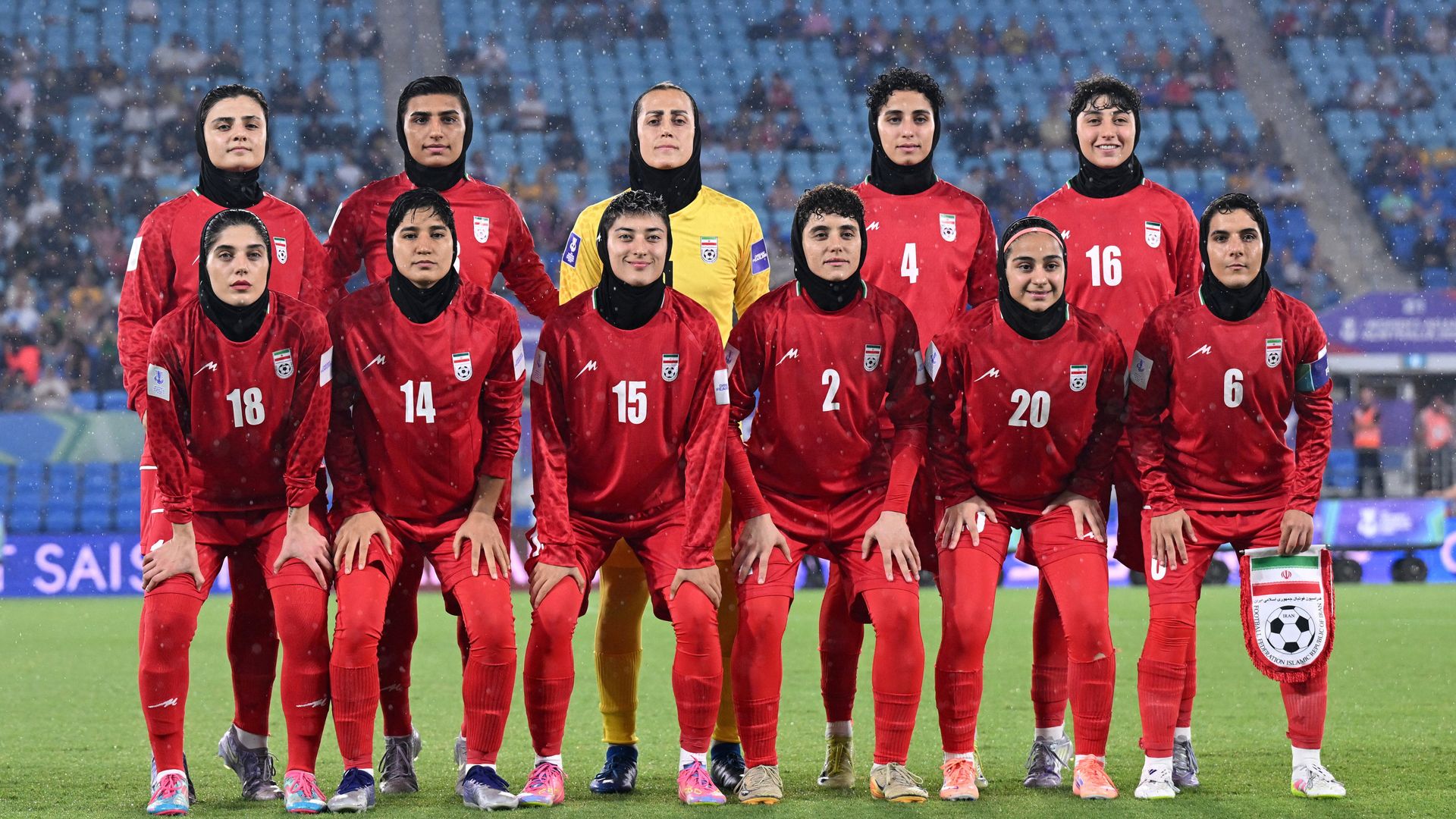
Iranian footballer changes her mind on asylum in Australia
#Iranian footballer #asylum #Australia #reverse decision #sports #international relations #athlete rights
📌 Key Takeaways
- Iranian footballer initially sought asylum in Australia but reversed decision.
- The reversal occurred during a team tour in Australia.
- The decision was influenced by personal or family considerations.
- The case highlights the complex pressures faced by Iranian athletes abroad.
📖 Full Retelling
🏷️ Themes
Asylum, Sports Diplomacy
📚 Related People & Topics

Australia
Country in Oceania
Australia, officially the Commonwealth of Australia, is a country comprising the mainland of the Australian continent, the island of Tasmania and numerous smaller islands. It has a total area of 7,688,287 km2 (2,968,464 sq mi), making it the sixth-largest country in the world and the largest in Ocea...
Entity Intersection Graph
Connections for Australia:
Mentioned Entities
Deep Analysis
Why It Matters
This news matters because it highlights the complex intersection of sports, politics, and human rights affecting Iranian athletes, particularly women who face systemic discrimination in Iran. It affects the athlete personally, her family in Iran who may face repercussions, and the broader Iranian diaspora community. The case also impacts Australia's asylum policies and international perceptions of Iran's treatment of dissidents and women athletes.
Context & Background
- Iranian female athletes have faced restrictions including mandatory hijab requirements and limited participation in international competitions
- Several Iranian athletes have sought asylum abroad in recent years citing political persecution and gender discrimination
- Australia has granted asylum to Iranian dissidents and athletes previously, with cases often involving complex immigration processes
- Iran has a history of pressuring athletes who defect or criticize the government, sometimes targeting their families remaining in Iran
What Happens Next
The athlete will likely undergo further immigration processing in Australia while her legal status is determined. Iranian authorities may issue statements condemning or downplaying the situation. Human rights organizations will probably monitor the case and potentially use it to highlight broader issues facing Iranian women athletes. The footballer's career prospects in Australia or other countries will depend on her immigration status and sporting opportunities.
Frequently Asked Questions
Many Iranian athletes seek asylum due to political persecution, restrictions on personal freedoms, and gender-based discrimination in Iran's sports system. Female athletes face particular challenges including mandatory hijab rules and limited professional opportunities.
Athletes who publicly consider asylum then reverse course may face suspicion from both host countries and Iranian authorities. They risk being seen as unreliable by immigration systems while potentially facing retaliation from Iranian officials who view any asylum consideration as disloyalty.
Australia processes asylum claims through its humanitarian visa program, assessing whether applicants meet refugee criteria under international law. Cases involving high-profile individuals like athletes often receive media attention and may involve additional security and diplomatic considerations.
Such cases can strain diplomatic relations, with Iran potentially accusing Australia of encouraging defections while Australia may criticize Iran's human rights record. However, both countries typically manage these incidents through established diplomatic channels to avoid major disruptions.
Families remaining in Iran often face harassment, travel restrictions, or interrogation by authorities. In some cases, family members have been barred from leaving Iran or faced employment consequences as retaliation against athletes who defect.