
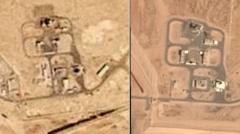
Iranian strikes on bases used by US caused $800m in damage, new analysis shows
#Iran #US bases #damage #$800 million #analysis #strikes #tensions
📌 Key Takeaways
- Iranian strikes on US-used bases caused $800 million in damage.
- New analysis quantifies the financial impact of the attacks.
- The damage highlights escalating tensions in the region.
- The assessment underscores the strategic cost of military confrontations.
📖 Full Retelling
🏷️ Themes
Military Conflict, Financial Impact
📚 Related People & Topics

Iran
Country in West Asia
# Iran **Iran**, officially the **Islamic Republic of Iran** and historically known as **Persia**, is a sovereign country situated in West Asia. It is a major regional power, ranking as the 17th-largest country in the world by both land area and population. Combining a rich historical legacy with a...
Entity Intersection Graph
Connections for Iran:
Mentioned Entities
Deep Analysis
Why It Matters
This news is important because it quantifies the significant financial impact of Iranian military actions against U.S. assets, highlighting escalating tensions in the Middle East. It affects U.S. military operations and budgeting, regional stability, and international relations between Iran and Western powers. The substantial damage figure could influence future U.S. defense posture decisions and potential retaliatory measures, while also impacting diplomatic negotiations regarding Iran's nuclear program and regional activities.
Context & Background
- Iran has maintained adversarial relations with the United States since the 1979 Islamic Revolution and hostage crisis.
- U.S. maintains military bases across the Middle East as part of counter-terrorism operations and regional security commitments.
- Iran has developed substantial missile and drone capabilities that can target regional assets despite international sanctions.
- Previous Iranian attacks on U.S. interests include the 2020 missile strikes on Ain al-Asad air base in Iraq in retaliation for the killing of Qasem Soleimani.
- The U.S. has approximately 30,000 troops stationed across the Middle East in countries including Iraq, Syria, Jordan, and Gulf states.
What Happens Next
The U.S. military will likely seek additional funding for repairs and enhanced base defenses in upcoming budget requests. Congressional hearings may examine the vulnerability of overseas bases. Diplomatic channels could see increased pressure on Iran through sanctions or UN resolutions. Military planners may accelerate deployment of missile defense systems like Iron Dome or Patriot batteries to vulnerable locations.
Frequently Asked Questions
While the article doesn't specify exact locations, previous Iranian strikes have targeted bases in Iraq and Syria where U.S. forces are stationed. These typically include air bases, logistical hubs, and training facilities used by American and coalition forces.
The $800 million figure represents one of the costliest single attacks on U.S. military infrastructure in recent years. Previous Iranian strikes have caused tens to hundreds of millions in damage, but this analysis suggests significantly higher financial impact than earlier assessments.
Yes, U.S. taxpayers will ultimately fund the repairs through defense appropriations. The Pentagon may need to request supplemental funding or reallocate existing budgets, potentially affecting other military programs and readiness initiatives.
Iran typically employs ballistic missiles, cruise missiles, and drones in such attacks. Their arsenal includes precision-guided munitions capable of hitting specific facilities within military bases, though exact weapon types used aren't specified in this analysis.
This could complicate diplomatic efforts as it demonstrates Iran's continued military aggression despite negotiations. The U.S. may demand stronger security guarantees or impose additional conditions regarding Iran's regional activities before agreeing to any nuclear deal.