
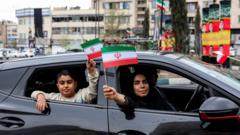
Iranians mark their New Year with anger, fear, and defiance
#Iran #Nowruz #New Year #defiance #anger #fear #political tension
📌 Key Takeaways
- Iranians celebrated Nowruz amid widespread public discontent and political tension.
- The New Year festivities were overshadowed by feelings of anger and fear among citizens.
- Many Iranians expressed defiance against the government during the holiday period.
- The mood reflected ongoing social and economic challenges within the country.
📖 Full Retelling
🏷️ Themes
Political Unrest, Cultural Celebration
📚 Related People & Topics

Nowruz
New Years Day of the Persian calendar
Nowruz (Persian: نوروز, Iranian Persian: [noːˈɾuːz], lit. 'New Day') is the Iranian or Persian New Year's day. Historically, it has been observed by Iranian peoples, but is now celebrated by many ethnicities worldwide. It is a festival based on the Northern Hemisphere spring equinox, which marks the...

New Year
Beginning of the calendar year
The New Year is the time or day at which a new calendar year begins and the calendar's year count increments by one. Many cultures celebrate the event in some manner. In the Gregorian calendar, the most widely used calendar system today, New Year occurs on January 1 (New Year's Day, preceded by New ...

Iran
Country in West Asia
# Iran **Iran**, officially the **Islamic Republic of Iran** and historically known as **Persia**, is a sovereign country situated in West Asia. It is a major regional power, ranking as the 17th-largest country in the world by both land area and population. Combining a rich historical legacy with a...
Entity Intersection Graph
Connections for Nowruz:
Mentioned Entities
Deep Analysis
Why It Matters
This news matters because it reveals the deepening political and social crisis in Iran, where traditional celebrations have become arenas for expressing dissent against the government. It affects ordinary Iranians who face economic hardship and political repression, as well as the Iranian regime which is struggling to maintain control. The situation also has regional implications, as Iran's internal stability influences its foreign policy and relations with neighboring countries.
Context & Background
- Nowruz is the Persian New Year, celebrated on the spring equinox, and is a major cultural holiday in Iran dating back over 3,000 years.
- Iran has experienced widespread protests since 2022, triggered by the death of Mahsa Amini in morality police custody, leading to calls for political change.
- The Iranian economy has been severely impacted by international sanctions, high inflation, and unemployment, contributing to public discontent.
- The Iranian government has historically used Nowruz messages to promote national unity, but recent years have seen the holiday become a focus for protest.
What Happens Next
Increased security measures are likely during the Nowruz holiday period to prevent protests. The government may attempt to use the occasion for propaganda emphasizing national resilience. Further economic announcements or concessions could be made to placate public anger, but renewed protests are possible if grievances remain unaddressed.
Frequently Asked Questions
Nowruz is the Persian New Year marking the first day of spring and the beginning of the year in the Iranian solar calendar. It is a deeply rooted cultural tradition celebrated with family gatherings, special foods, and symbolic rituals representing renewal and hope.
Iranians face economic hardship due to sanctions and inflation, political repression following recent protests, and social restrictions. Many use Nowruz traditions to subtly express dissent against government policies while fearing potential crackdowns.
The government has increased security presence during holidays, censored dissenting messages, and promoted official narratives of national unity. Authorities have sometimes made temporary economic concessions while maintaining political control.
Defiance may include refusing to display government symbols, sharing protest messages through traditional poetry or greetings, boycotting state-sponsored events, or using social media to express political views despite internet restrictions.