
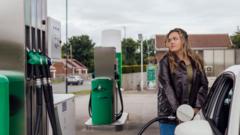
Irish government to cut excise duty on diesel and petrol
#Ireland #excise duty #diesel #petrol #fuel prices #government #tax cut
📌 Key Takeaways
- Irish government announces reduction in excise duty on diesel and petrol
- Move aims to lower fuel costs for consumers amid economic pressures
- Policy change reflects response to inflation and energy price concerns
- Decision expected to impact transportation and household expenses
📖 Full Retelling
🏷️ Themes
Government Policy, Energy Costs
📚 Related People & Topics

Ireland
Island in the North Atlantic Ocean
Ireland is an island in the North Atlantic Ocean, in Northwestern Europe. Geopolitically, the island is divided between the Republic of Ireland (officially named Ireland – a sovereign state covering five-sixths of the island) and Northern Ireland (part of the United Kingdom – covering the remaining ...
Entity Intersection Graph
Connections for Ireland:
View full profileMentioned Entities
Deep Analysis
Why It Matters
This decision directly impacts Irish consumers facing high fuel costs, providing immediate financial relief for households and businesses reliant on transportation. It affects commuters, logistics companies, farmers, and anyone dependent on fuel for daily operations. The move represents government intervention to address cost-of-living pressures, potentially influencing inflation rates and economic activity. Reduced fuel costs could also impact public sentiment toward the government during a period of economic strain.
Context & Background
- Ireland has some of the highest fuel prices in Europe, with excise duties comprising a significant portion of the final price at the pump.
- The Irish government previously increased excise duties as part of environmental and revenue-raising measures, making this cut a policy reversal.
- Global oil price volatility and supply chain disruptions since 2020 have contributed to sustained high fuel costs in Ireland.
- The European energy crisis following Russia's invasion of Ukraine forced many EU governments to implement temporary fuel tax reductions.
- Ireland's excise duty rates on fuel have been historically used as both a revenue source and a tool for environmental policy.
What Happens Next
Consumers will see lower prices at fuel stations within days of the policy implementation. The government will likely announce the specific reduction amounts and implementation timeline shortly. Opposition parties may scrutinize the measure's fiscal impact and environmental implications. If global oil prices rise again, the relief may be temporary, potentially leading to further government interventions.
Frequently Asked Questions
The exact reduction depends on the excise duty cut percentage, but typically such measures reduce pump prices by several cents per liter. The government will announce specific figures when implementing the policy.
Yes, cheaper fossil fuels could temporarily slow EV adoption by making conventional vehicles more economical to operate. However, long-term climate targets and EV incentives likely remain unchanged.
Similar European measures have often been temporary (6-12 months). The Irish government may frame this as short-term relief, possibly extending it if economic conditions remain challenging.
The announcement specifies diesel and petrol, so alternative fuels like biodiesel or compressed natural gas may not be included unless separately addressed.
Excise duties contribute significantly to Irish tax revenue, so cuts will reduce income. The government may offset this through other taxes or spending adjustments.