
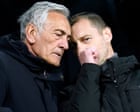
Italian football in crisis as FA chief resigns and Ceferin issues Euro 2032 warning
#Italian football #Gabriele Gravina #Aleksander Ceferin #Euro 2032 #resignation #UEFA warning #governance crisis
📌 Key Takeaways
- Italian Football Federation president Gabriele Gravina resigns amid governance crisis.
- UEFA president Aleksander Ceferin warns Italy risks losing Euro 2032 hosting rights.
- Crisis stems from financial instability and internal conflicts within Italian football bodies.
- Resignation and warning highlight urgent need for structural reforms in Italian football.
📖 Full Retelling
🏷️ Themes
Governance Crisis, International Sanctions
📚 Related People & Topics

Gabriele Gravina
Italian sport director
Gabriele Gravina (born 5 October 1953) is an Italian sport director. Since 22 October 2018, he serves as president of the Italian Football Federation.

Aleksander Čeferin
Slovenian lawyer and football administrator
Aleksander Čeferin (pronounced [alɛˈksaːndəɾ tʃɛfɛˈɾiːn]; born 13 October 1967) is a Slovenian lawyer and football administrator. Between 2011 and 2016, he was president of the Football Association of Slovenia.

Football in Italy
Football (Italian: calcio [ˈkaltʃo] ) is the most popular sport in Italy. The Italy national football team have won the FIFA World Cup four times (1934, 1938, 1982, 2006), trailing only Brazil (with five), runners-up in two finals both against Brazil, (1970, 1994) and reaching a third place (1990) a...
Entity Intersection Graph
Connections for Gabriele Gravina:
Mentioned Entities
Deep Analysis
Why It Matters
This news matters because it signals a governance crisis in Italian football that could have far-reaching consequences. The resignation of the Italian Football Federation (FIGC) president creates leadership instability during critical times, affecting all professional clubs, players, and fans across Italy. UEFA President Aleksander Ceferin's warning about potentially stripping Italy of Euro 2032 hosting rights threatens the country's football infrastructure investments and international prestige. This dual crisis could impact Italy's ability to organize major tournaments and implement necessary reforms in its domestic football system.
Context & Background
- Italy has a long history of football governance crises, including the Calciopoli match-fixing scandal in 2006 that saw Juventus relegated and other clubs penalized
- Italy is currently co-hosting Euro 2032 with Turkey, marking the first time the tournament will be shared between two countries across different confederations
- The Italian Football Federation has faced multiple leadership changes in recent years, with Gabriele Gravina having served as president since 2018 before this resignation
- Italian clubs have struggled with stadium infrastructure issues for decades, with many teams playing in outdated municipal facilities rather than modern owned stadiums
- UEFA has become increasingly strict about host nation requirements following organizational issues at recent tournaments including Euro 2020 and the 2022 Champions League final in Paris
What Happens Next
The FIGC will need to hold emergency elections to select a new president within the coming weeks, with potential candidates already emerging from various football factions. UEFA will likely send an inspection team to evaluate Italy's Euro 2032 preparations and issue specific demands for improvements. Italian government officials may intervene to ensure tournament preparations stay on track, given the economic importance of hosting major football events. Domestic league matches will continue but with uncertainty about long-term reforms and infrastructure projects.
Frequently Asked Questions
The resignation likely resulted from mounting pressure over governance issues, failure to implement reforms, and growing criticism from clubs and stakeholders about the federation's direction. Specific triggers may include financial mismanagement concerns or conflicts with UEFA requirements.
UEFA could revoke hosting rights if Italy fails to meet infrastructure deadlines, security standards, or organizational requirements. Specific concerns might include stadium renovations, transportation planning, or administrative capacity to coordinate such a large event.
Italian clubs face uncertainty about federation support, potential delays in infrastructure projects, and possible negative impacts on their European competition coefficients. The Serie A league may experience administrative disruptions during this leadership transition period.
Yes, Italy experienced major crises including the 2006 Calciopoli scandal and the 1980 Totonero match-fixing scandal. Each crisis led to significant reforms, but structural issues in governance and infrastructure have persisted for decades.
If Italy loses hosting rights, Turkey would likely become the sole host or UEFA would seek alternative co-hosts. This would represent a major embarrassment for Italian football and could result in financial penalties for broken contracts and wasted investments.
The national team could face distractions from administrative turmoil, though the coaching staff operates somewhat independently. Long-term effects might include reduced funding for youth development programs and less influence in European football governance circles.