
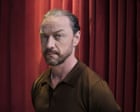
James McAvoy: ‘I’ve been “that Scottish person”, reduced to a noise that comes out of my mouth’
#James McAvoy #Scottish accent #typecasting #acting #prejudice #entertainment industry #representation
📌 Key Takeaways
- James McAvoy discusses being stereotyped as 'that Scottish person' in his career.
- He expresses frustration at being reduced to his accent rather than his acting skills.
- The actor highlights broader issues of typecasting and regional prejudice in the entertainment industry.
- McAvoy calls for more nuanced representation and recognition of diverse talents beyond accents.
📖 Full Retelling
🏷️ Themes
Stereotyping, Representation
📚 Related People & Topics
Scottish English
Variety of English spoken in Scotland
Scottish English is the set of varieties of the English language spoken in Scotland. The transregional, standardised variety is called Scottish Standard English or Standard Scottish English (SSE). Scottish Standard English may be defined as "the characteristic speech of the professional class [in Sc...

James McAvoy
Scottish actor (born 1979)
James McAvoy (; born 21 April 1979) is a Scottish actor and director. He made his acting debut as a teen in The Near Room (1995) and appeared mostly on television until 2003, when his film career began. His television work includes the thriller State of Play (2003), the science fiction miniseries Fr...
Entity Intersection Graph
No entity connections available yet for this article.
Mentioned Entities
Deep Analysis
Why It Matters
This news matters because it highlights the persistent issue of regional stereotyping and accent discrimination in the entertainment industry, affecting actors from non-standard English backgrounds. It raises awareness about how performers from Scotland, Ireland, Wales, and regional England face professional limitations and typecasting based on their speech patterns. The discussion is important for promoting diversity in media representation and challenging unconscious biases that affect casting decisions and career opportunities for talented performers.
Context & Background
- Scottish actors have historically faced stereotyping in British and international media, often limited to specific 'tough' or 'comic' roles
- Accent discrimination in UK entertainment has been documented for decades, with RP (Received Pronunciation) traditionally favored for leading roles
- Recent years have seen increased discussion about regional representation, with shows like 'Derry Girls' and 'Happy Valley' showcasing authentic regional voices
- James McAvoy has previously spoken about his working-class Glasgow background and how it affected his early career opportunities
- The UK film and TV industry has made some efforts toward regional diversity through initiatives like Channel 4's move to Leeds and BBC's 'Across the UK' strategy
What Happens Next
This interview will likely spark further discussion about accent discrimination in entertainment throughout 2024. Industry organizations may face increased pressure to address casting biases in upcoming productions. McAvoy's comments could influence how Scottish and other regional actors are perceived in major upcoming projects like the next 'X-Men' franchise developments or UK film productions.
Frequently Asked Questions
Scottish actors often report being typecast in limited roles like criminals, historical figures, or comic relief characters rather than being considered for diverse leading roles. Their accents are sometimes viewed as 'difficult' for international audiences or inappropriate for certain character types, limiting their casting opportunities across different genres.
While some progress has been made with more regional accents appearing in mainstream media, significant barriers remain. Streaming platforms have increased demand for authentic regional stories, but many actors still report being asked to modify their natural speech or facing assumptions about their capabilities based on their accent during casting processes.
The industry can implement blind casting practices where possible, provide accent training for casting directors to recognize their biases, and actively seek stories that authentically represent regional experiences. Production companies could also establish diversity quotas for regional representation both in front of and behind the camera.
Yes, McAvoy has spoken about how early in his career he was often seen primarily as 'that Scottish actor' rather than being considered for a wide range of roles. Despite his international success, he still encounters assumptions and limitations based on his Glasgow background and accent in certain casting situations.
Absolutely. Actors with Northern English, Welsh, Irish, and various regional English accents report similar challenges. The entertainment industry has historically privileged Received Pronunciation (RP) and certain southern English accents, creating systemic barriers for performers from other linguistic backgrounds across the UK.