
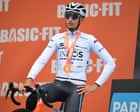
Jim Ratcliffe gives up Ineos Grenadiers naming rights in €100m rebrand deal
#Jim Ratcliffe #Ineos Grenadiers #rebrand deal #€100 million #cycling team #naming rights #sponsorship
📌 Key Takeaways
- Jim Ratcliffe relinquishes Ineos Grenadiers naming rights in a €100 million rebranding agreement.
- The deal signifies a major strategic shift for the cycling team previously named after Ratcliffe's company.
- The €100 million investment highlights significant financial backing for the team's future operations.
- The rebrand aims to reposition the team's identity and potentially attract new sponsors or partnerships.
📖 Full Retelling
🏷️ Themes
Sports Sponsorship, Corporate Rebranding
📚 Related People & Topics

Jim Ratcliffe
British engineer and businessman (born 1952)
Sir James Arthur Ratcliffe (born 18 October 1952) is a British billionaire, chemical engineer, and businessman. Ratcliffe is the chairman and chief executive officer (CEO) of the INEOS chemicals group, which he founded in 1998. In May 2018, Ratcliffe was the richest person in the UK, with a net wort...
Ineos Grenadiers
British professional cycling team
Ineos Grenadiers (UCI team code: IGD) (stylised as INEOS Grenadiers) (formerly Team Sky from 2010 to 2019, and Team Ineos from 2019 to 2020) is a British professional cycling team that competes at the UCI WorldTeam level. The team is based at the National Cycling Centre in Manchester, England, with ...
Entity Intersection Graph
Connections for Jim Ratcliffe:
Mentioned Entities
Deep Analysis
Why It Matters
This €100 million rebranding deal represents a significant shift in sports sponsorship strategy, moving away from traditional naming rights to a more integrated partnership model. It affects professional cycling teams, sports marketing industries, and corporate branding approaches globally. The decision by one of the world's wealthiest individuals to restructure his sports investments could influence how other billionaires approach team ownership and sponsorship. This development matters for cycling fans, sports business analysts, and companies considering high-value sports partnerships.
Context & Background
- Jim Ratcliffe is a British billionaire and founder of chemical company Ineos, with an estimated net worth of over $15 billion
- The Ineos Grenadiers (formerly Team Sky) have been one of cycling's most successful teams, winning multiple Tour de France titles with riders including Chris Froome, Geraint Thomas, and Egan Bernal
- Ratcliffe purchased the team in 2019 from Sky PLC for a reported £35 million, continuing its legacy as a top-tier WorldTour cycling team
- Corporate naming rights for sports teams have become increasingly valuable, with companies paying millions for stadium and team naming privileges across various sports
- The Grenadiers name was introduced in 2020 when Ratcliffe rebranded the team from Team Ineos to Ineos Grenadiers, referencing the British military regiment
What Happens Next
The cycling team will operate under a new name starting in the 2025 season, with the €100 million investment likely funding expanded operations, rider acquisitions, and technological development. Expect official announcements about the new naming partner within the next 3-6 months, potentially coinciding with major cycling events like the Tour de France. The deal may trigger similar sponsorship restructurings in professional cycling as other teams reassess their commercial models.
Frequently Asked Questions
Ratcliffe is likely pursuing a more diversified sponsorship model that brings additional investment while maintaining Ineos's involvement. The €100 million deal represents significant capital infusion that can enhance team competitiveness beyond what a single sponsor could provide. This strategic shift allows Ineos to remain involved while sharing financial responsibility and gaining a new commercial partner.
This deal could signal a move toward more collaborative, multi-partner sponsorship models in professional cycling rather than single-title sponsors. It may increase the overall value of top-tier cycling teams by demonstrating alternative revenue structures. Other wealthy team owners might consider similar arrangements to diversify funding sources while maintaining competitive advantages.
The €100 million investment should provide substantial resources for rider salaries, equipment development, and support staff, potentially enhancing the team's competitiveness. Current riders will likely see improved resources and stability with the long-term financial commitment. The transition may cause some temporary uncertainty but ultimately strengthens the team's financial foundation for future success.
Potential naming partners could include global technology firms, automotive companies, or financial institutions seeking international brand exposure through elite sports. Companies with sustainability or mobility focuses might find cycling particularly aligned with their brand values. The partner will likely be a multinational corporation capable of committing to a long-term, high-value sports partnership.
No, Ineos will remain involved as a significant partner rather than the title sponsor, maintaining brand presence while sharing sponsorship responsibilities. The chemical company will likely continue providing financial support and possibly technical expertise in materials science. This represents an evolution of their involvement rather than a complete withdrawal from professional cycling.