
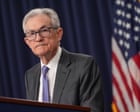
Judge blocks justice department from subpoenaing Fed chair Jerome Powell
#Jerome Powell #subpoena #Justice Department #Federal Reserve #judge #legal block #central bank
📌 Key Takeaways
- A judge has blocked the Justice Department from subpoenaing Federal Reserve Chair Jerome Powell.
- The ruling prevents the Justice Department from compelling Powell's testimony or documents.
- The decision represents a legal setback for the Justice Department's investigation.
- The case highlights tensions between executive branch investigations and central bank independence.
📖 Full Retelling
🏷️ Themes
Legal Ruling, Federal Reserve
📚 Related People & Topics
Ministry of justice
Government agency in charge of justice
A justice ministry, ministry of justice, or department of justice, is a ministry or other government agency in charge of the administration of justice. The ministry or department is often headed by a minister of justice (minister for justice in a very few countries) or a secretary of justice. In som...

Jerome Powell
American central banker (born 1953)
Jerome Hayden "Jay" Powell (born February 4, 1953) is an American central banker who has been the 16th chair of the Federal Reserve since 2018. He was previously both a lawyer and investment banker in the private sector before entering public service. A native of Washington, D.C., Powell graduated...

Federal Reserve
Central banking system of the US
The Federal Reserve System (often shortened to the Federal Reserve, or simply the Fed) is the central banking system of the United States. It was created on December 23, 1913, with the enactment of the Federal Reserve Act, after a series of financial panics (particularly the panic of 1907) led to th...
Entity Intersection Graph
Connections for Ministry of justice:
Mentioned Entities
Deep Analysis
Why It Matters
This ruling is significant because it protects the independence of the Federal Reserve, a cornerstone of U.S. economic policy, from direct legal pressure by the executive branch. It affects the Justice Department's ability to investigate potential misconduct related to financial markets or Fed actions, potentially shielding Powell and the institution from politically motivated inquiries. The decision reinforces the principle that central bank leaders should not be easily compelled to testify in ongoing investigations, which could influence monetary policy decisions and market stability.
Context & Background
- The Federal Reserve operates as an independent central bank, with its chair appointed by the president but designed to be insulated from political interference to ensure stable monetary policy.
- Jerome Powell has served as Fed chair since 2018, overseeing responses to economic crises including the COVID-19 pandemic and high inflation, which have sometimes drawn scrutiny from lawmakers and the Justice Department.
- Subpoenas of high-ranking officials like the Fed chair are rare, as they can set precedents for executive branch authority over independent agencies, with past legal battles often focusing on separation of powers.
What Happens Next
The Justice Department may appeal the ruling to a higher court, potentially escalating the case to a circuit court or even the Supreme Court if it involves constitutional questions. If upheld, the block could limit future subpoenas against Fed officials, though the Justice Department might pursue alternative investigative methods, such as requesting documents or interviewing other staff. Legal experts will monitor for any related cases that test the boundaries of agency independence versus executive oversight in the coming months.
Frequently Asked Questions
The Justice Department likely sought to subpoena Powell as part of an investigation into potential misconduct, such as insider trading or policy decisions affecting financial markets, though specific details may not be public. Subpoenas can compel testimony or documents to aid in federal inquiries, but judges may block them if they deem them overly broad or threatening to institutional independence.
The ruling reinforces the Fed's operational independence by preventing immediate legal demands on its chair, allowing Powell and the institution to focus on monetary policy without distraction from ongoing investigations. It may set a precedent that protects future Fed leaders from similar subpoenas, unless compelling evidence justifies overriding such protections.
Yes, the Justice Department can continue its investigation using other means, such as subpoenaing lower-level Fed officials, reviewing public records, or analyzing financial data. However, blocking access to Powell may limit insights into high-level decision-making, potentially slowing or altering the scope of the inquiry.