
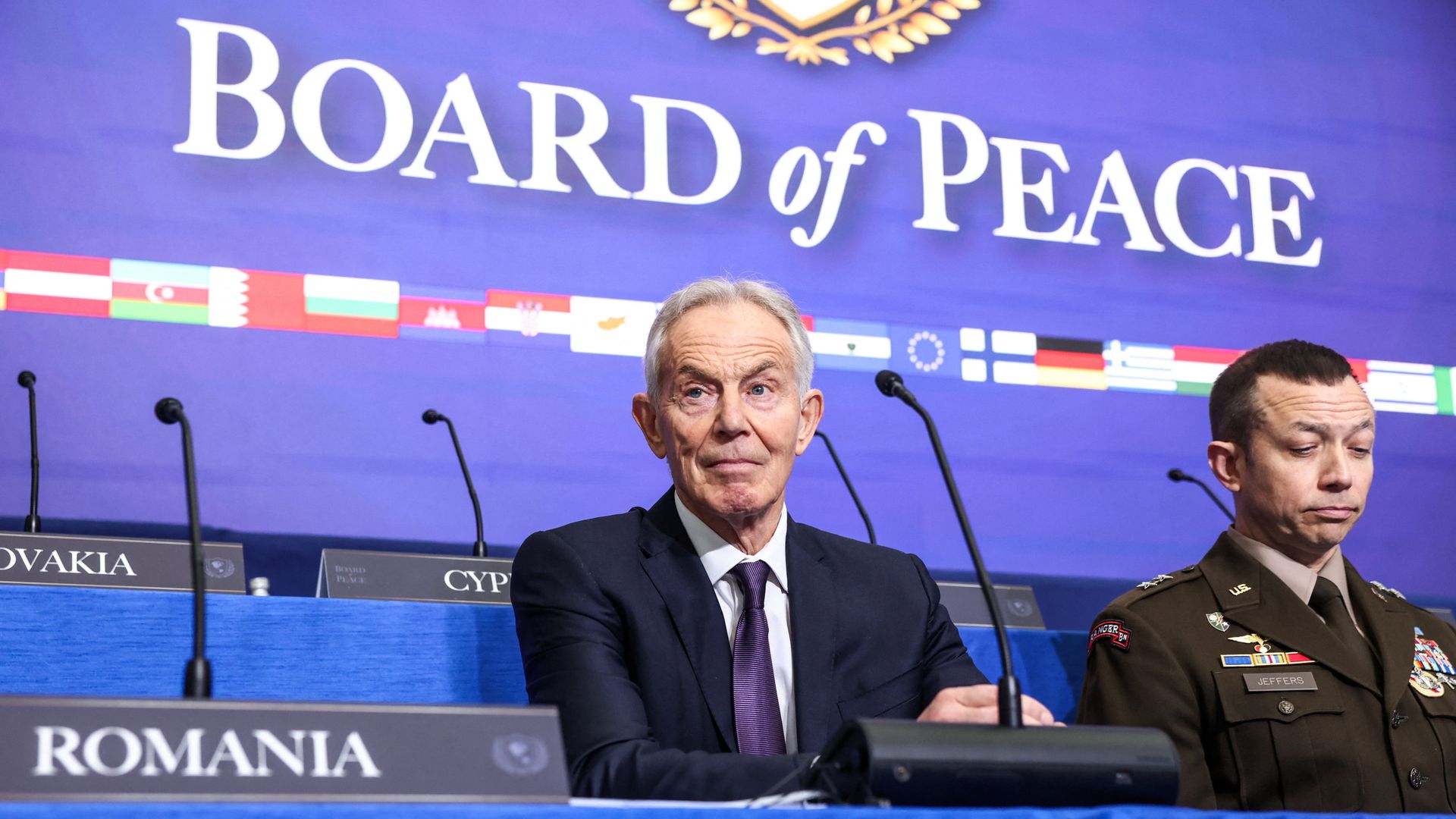
Keir Starmer 'learning lessons from Iraq', foreign secretary says
#Keir Starmer #Iraq War #foreign policy #Labour Party #military intervention #David Lammy #political lessons
📌 Key Takeaways
- Foreign Secretary states Keir Starmer is applying lessons from the Iraq War to current foreign policy.
- The comment addresses historical scrutiny of Labour's past decisions on military interventions.
- It signals a shift in approach to international conflicts under Starmer's leadership.
- The statement aims to build public trust by acknowledging and learning from past mistakes.
📖 Full Retelling
🏷️ Themes
Foreign Policy, Political Accountability
📚 Related People & Topics

David Lammy
Deputy Prime Minister of the United Kingdom since 2025
David Lindon Lammy (born 19 July 1972) is a British politician who has served as Deputy Prime Minister of the United Kingdom, Secretary of State for Justice and Lord Chancellor since September 2025. He previously served as Foreign Secretary from July 2024 to September 2025. A member of the Labour Pa...

Iraq War
Conflict in Iraq from 2003 to 2011
The Iraq War (Arabic: حرب العراق, romanized: ḥarb al-ʿirāq), also referred to as the Second Gulf War, was a prolonged conflict in Iraq from 2003 to 2011. It began with the invasion by a United States–led coalition, which resulted in the overthrow of the Ba'athist government of Saddam Hussein. During...
Labour Party
Topics referred to by the same term
Labour Party or Labor Party is a name used by many political parties. These political parties are generally left-wing or centre-left, usually with nominal commitments to social democracy and/or democratic socialism.

Keir Starmer
Prime Minister of the United Kingdom since 2024
# Sir Keir Starmer **Sir Keir Rodney Starmer** (born 2 September 1962) is a British politician and lawyer serving as Prime Minister of the United Kingdom since July 2024. A member of the Labour Party, he has served as Leader of the Labour Party since 2020 and has been the Member of Parliament (MP) ...
Entity Intersection Graph
Connections for David Lammy:
View full profileMentioned Entities
Deep Analysis
Why It Matters
This statement matters because it signals a significant shift in UK foreign policy under the new Labour government, directly addressing one of the most controversial military interventions in recent British history. It affects UK-US relations, military decision-making processes, and public trust in government transparency about war. The acknowledgment of Iraq War lessons demonstrates an attempt to rebuild credibility with voters who remain skeptical about political leadership and military interventions. This also impacts future parliamentary debates about military action and sets a precedent for how the government approaches international conflicts.
Context & Background
- The 2003 Iraq War was launched by a US-led coalition including the UK under Prime Minister Tony Blair, based on claims about weapons of mass destruction that were later proven false
- The Chilcot Inquiry (2016) concluded the UK's decision to go to war was based on flawed intelligence and inadequate planning for post-conflict reconstruction
- The Iraq War resulted in hundreds of thousands of civilian deaths, destabilized the region, and contributed to the rise of ISIS
- Keir Starmer previously served as Director of Public Prosecutions and was knighted for services to law and criminal justice before entering politics
- The Labour Party has been divided over foreign policy since the Iraq War, with many members viewing it as a betrayal of party values
What Happens Next
Expect parliamentary debates about reforming the war powers convention to require stronger parliamentary approval before military interventions. The government will likely establish clearer criteria for military action and intelligence verification processes. Watch for the autumn parliamentary session where foreign policy white papers may be introduced, and monitor UK positioning on current conflicts like Ukraine and Gaza for evidence of this 'lessons learned' approach in practice.
Frequently Asked Questions
The lessons likely include requiring stronger evidence before military action, ensuring proper post-conflict planning, and increasing parliamentary scrutiny of war decisions. These address the intelligence failures and inadequate reconstruction planning identified in the Chilcot Inquiry.
This suggests a more cautious approach to military interventions and greater emphasis on diplomatic solutions. It may influence UK positions on conflicts like Ukraine and Gaza, with increased focus on international law and coalition-building rather than unilateral action.
As a new government, Labour is establishing its foreign policy identity while distancing itself from controversial past decisions. This helps rebuild trust with voters skeptical about military interventions and clarifies their approach to international relations early in their term.
No, but it indicates higher thresholds for evidence, planning, and democratic accountability. Future interventions would require clearer justification, better post-conflict planning, and stronger parliamentary approval processes than during the Iraq War decision.
It signals the UK will be more independent in foreign policy decisions rather than automatically following US leadership. While the special relationship will continue, the UK may be more willing to disagree with US military proposals that lack sufficient evidence or planning.